

Why Do Students Procrastinate?
Beating procrastination is a challenge many career college students face while balancing school, work, and family responsibilities.
You come home after a long shift feeling exhausted. An assignment isn’t due until next week, so you decide to relax and tackle it tomorrow.
The next morning arrives. You feel refreshed and have some free time before starting your day. It seems like the perfect opportunity to begin your assignment. Instead, you find yourself scrolling through social media, watching videos, or catching up on other activities. Before you know it, the opportunity is gone.
As the days pass, other responsibilities take priority. Work commitments, family obligations, and unexpected events fill your schedule. Suddenly, the deadline is only a few days away. Stress begins to build, and what could have been a manageable task now feels overwhelming.
Many students know this cycle all too well. The good news is that procrastination is not a permanent habit. With the right strategies, it can be overcome.
Understanding Procrastination
Contrary to popular belief, procrastination is rarely caused by laziness. More often, it stems from feelings of anxiety, uncertainty, or being overwhelmed by the size or difficulty of a task.
When an assignment seems too large, too challenging, or too time-consuming, our brains naturally seek easier and more enjoyable activities instead. Unfortunately, delaying the task often increases stress and makes it even harder to start later.
The key to overcoming procrastination is reducing the mental barrier to getting started.
1. Focus on Small Wins
One of the most effective ways to overcome procrastination is to break large tasks into smaller, manageable pieces.
Instead of thinking about completing an entire assignment, focus on one small step:
- Review your class notes for 15 minutes.
- Read a single chapter.
- Complete one practice question.
- Create an outline for your assignment.
Small accomplishments build momentum. Once you’ve started, it becomes much easier to continue working. Many students discover that the hardest part is simply taking the first step.
This approach also helps reduce anxiety by transforming a large, intimidating project into a series of achievable tasks.
2. Make Studying More Engaging
Successful study habits don’t have to be boring.
Students are more likely to stay consistent when they create a learning environment they enjoy. Consider:
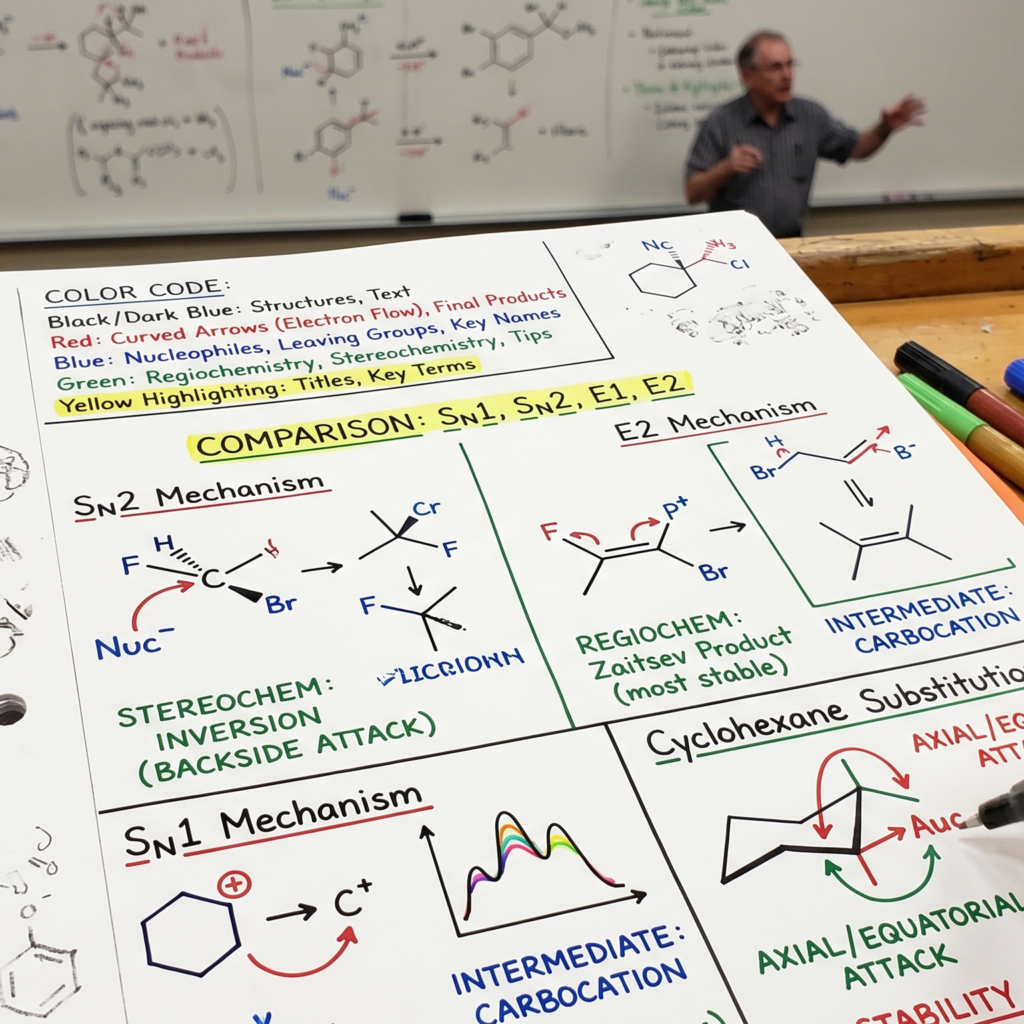
- Using colour-coded notes to organize information.
- Creating diagrams, charts, or visual summaries.
- Using flashcards and study apps.
- Connecting concepts to real-world examples.
- Developing a personalized note-taking system that works for you.
When studying becomes interactive and enjoyable, it feels less like a chore and more like an investment in your future career.
The more positive your learning experience, the more likely you are to stay motivated and avoid putting tasks off until the last minute.

3. Build Accountability Through Study Groups
Accountability is a powerful tool for improving productivity and academic performance.
Joining a study group or connecting with classmates can help you stay on track. When you discuss concepts, answer questions, and support each other’s learning, you’re more likely to keep up with coursework and prepare for classes consistently.
Benefits of study groups include:
- Increased motivation
- Better understanding of course material
- Improved problem-solving skills
- Reduced academic stress
- Stronger time management habits
Knowing that others are counting on your participation can provide the extra push needed to stay focused and avoid procrastination.
4. Progress Beats Perfection
Beating procrastination doesn’t require dramatic changes overnight. It starts with small, consistent actions that build better habits over time.
As a career college student, balancing coursework with work, family, and personal responsibilities can be challenging. However, by breaking tasks into smaller steps, making studying more engaging, and creating accountability through peers, you can reduce stress, improve academic performance, and develop habits that will help in beating procrastination and strengthening your career.
Remember: success is not about being perfect. It’s about making steady progress, one step at a time.