WhatsApp Image 2025-12-18 at 3.45.58 PM (2)

Study Strategies for Success in Massage Therapy, Acupuncture, and Osteopathy Programs

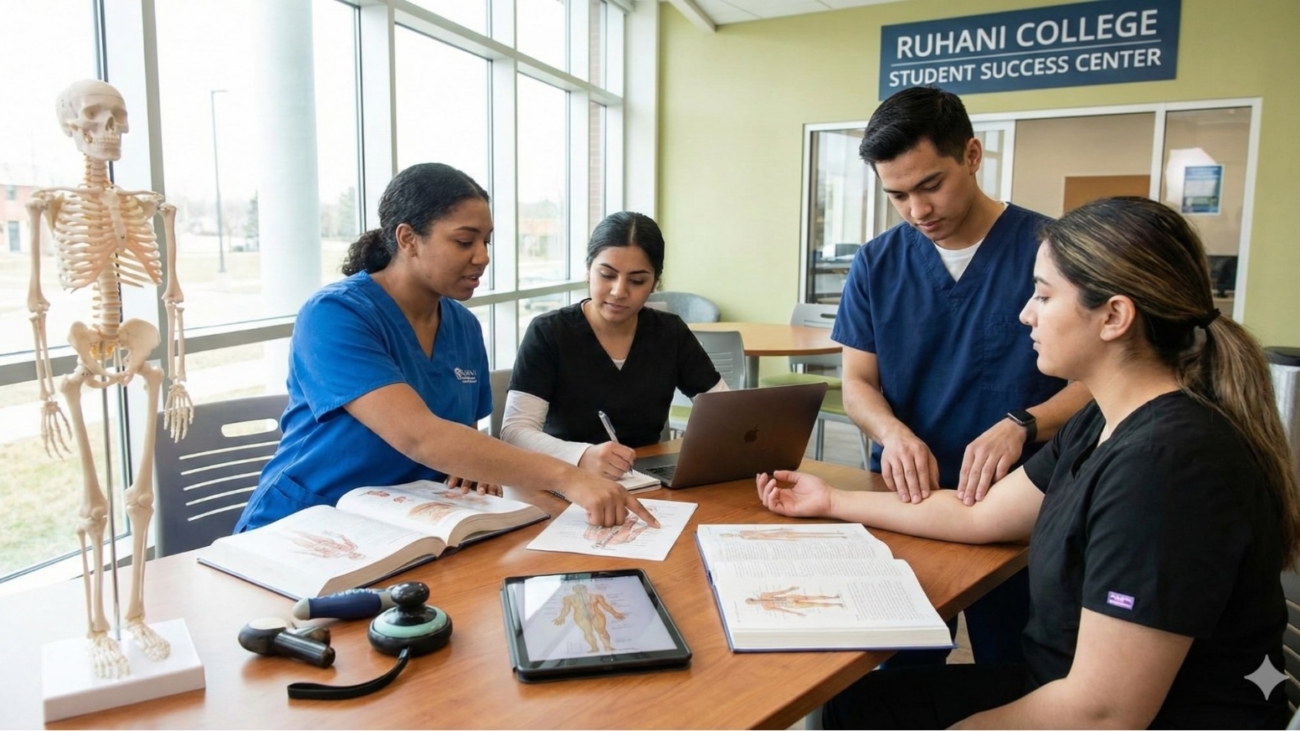
Studying in a healthcare diploma program can be both exciting and challenging, as massage therapy, acupuncture, and osteopathy programs require strong focus, hands-on learning, and good time management. This is why following the right study tips for healthcare diploma students can make a big difference. With proper planning and simple strategies, students can manage their workload, reduce stress, and perform better in both theory and practical exams, and at Ruhani College, students are guided to build smart study habits that support long-term success across healthcare programs.

Understanding the Demands of Healthcare Diploma Programs

Healthcare diploma programs are different from regular classroom-based courses. Students must balance theory classes, lab sessions, and practical training. Applying proven study tips for healthcare diploma students helps learners stay organized and focused throughout the program. Using healthcare diploma focus strategies early allows students to stay consistent and avoid last-minute stress.

Creating a Study Plan That Works

One of the most effective study tips for healthcare diploma students is creating a realistic and flexible study schedule. Following the study schedule for practical programs means planning around labs, clinics, and rest time. This structure also supports exam preparation for medical diploma programs, where content builds over time and requires regular revision.

Preparing for Massage Therapy Exams

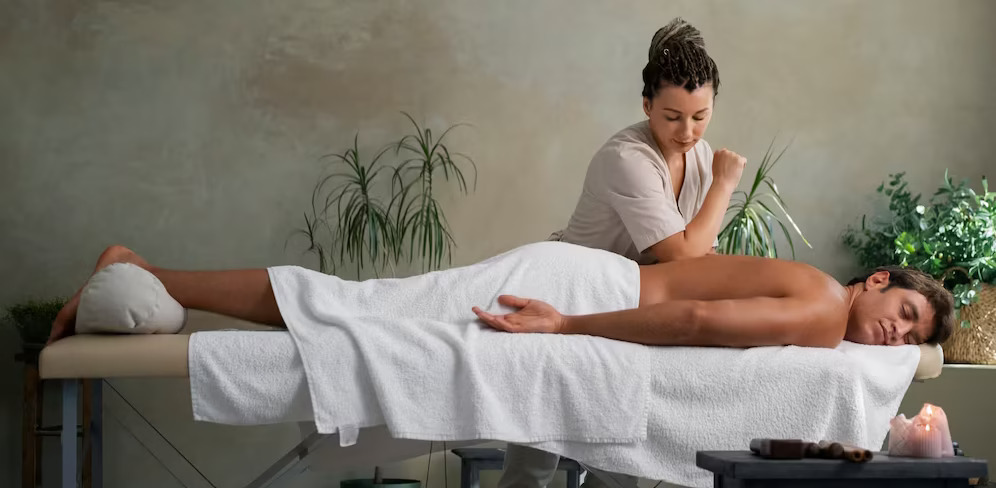
Massage therapy programs require strong understanding of anatomy and hands-on techniques. Learning how to study for RMT exams involves regular review, practical repetition, and understanding assessment methods. Students enrolled in the Registered Massage Therapist program in Ontario often succeed by combining classroom learning with hands-on practice, which strengthens confidence and performance.

Building Strong Study Habits in Acupuncture Programs

Acupuncture programs require detailed memorization and consistent practice. Following an acupuncture school study plan helps students manage theory, point location, and treatment concepts effectively. Students preparing for advanced healthcare education, including Pre medical courses in Ontario, often use similar study routines, showing how strong study tips for healthcare diploma students apply across disciplines.
Staying Organized in Osteopathy Studies 

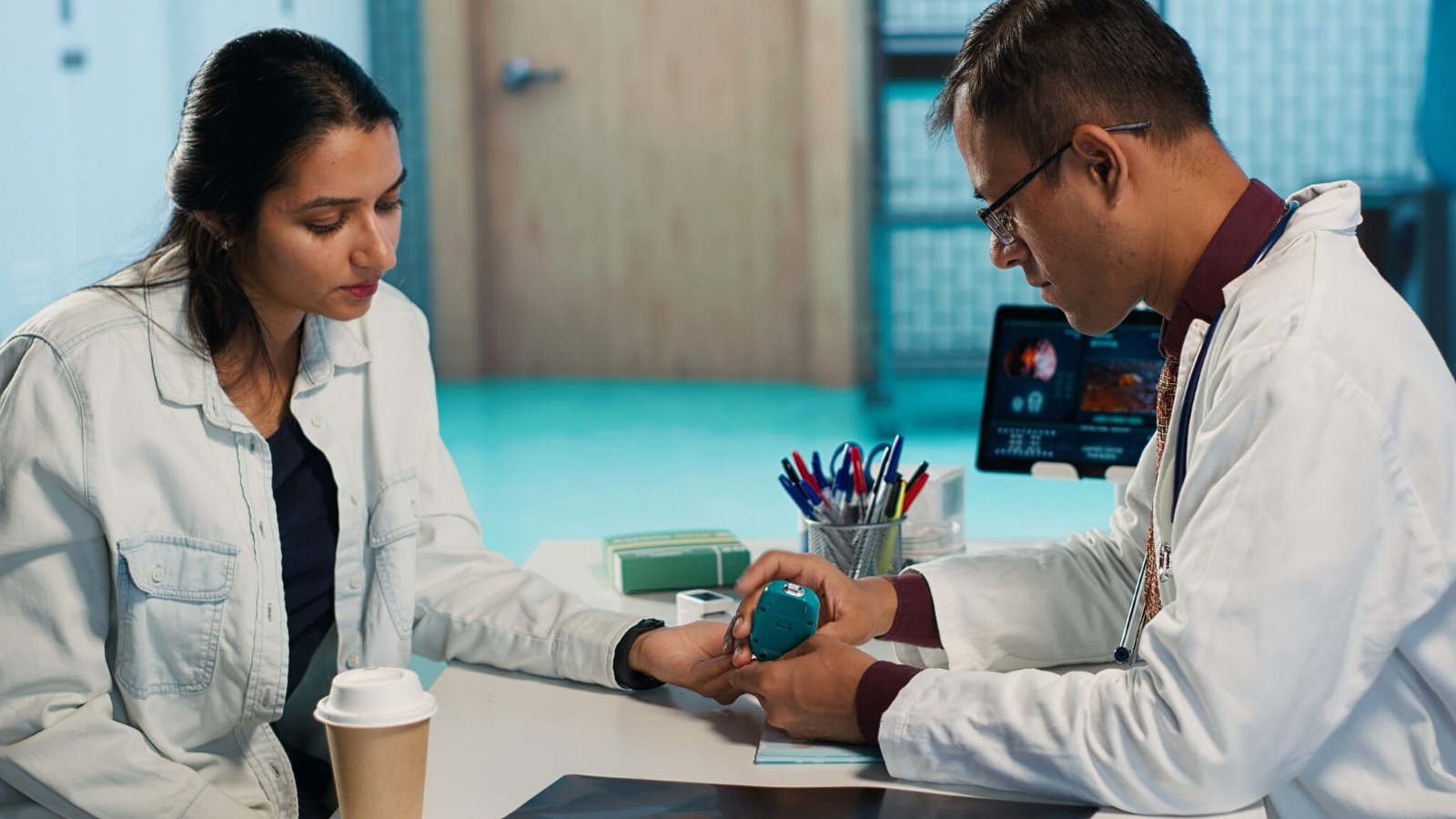
Osteopathy students benefit from structure and repetition. Using an osteopathy student study guide helps learners organize topics such as anatomy, palpation, and movement assessment. Applying daily study tips for healthcare diploma students helps osteopathy students connect theory with clinical labs more easily.

Memorizing Anatomy the Smart Way

Anatomy is a major part of healthcare education. One of the most useful study tips for healthcare diploma students is memorizing anatomy effectively through diagrams, models, repetition, and group discussion. Simple learning tools reduce stress and improve long-term memory.

Using Clinical Labs to Improve Learning

Clinical labs are where theory becomes practice. Following clinical lab study tips such as preparing before labs and practicing regularly helps students gain confidence. These habits also support preparing for practical skills exams, which are a key part of healthcare diploma programs.

Avoiding Common Study Mistakes

Many students struggle because of avoidable habits. Understanding study mistakes to avoid in healthcare programs helps learners stay focused and productive. Skipping revision, cramming, and ignoring weak areas can hurt progress. Consistency remains one of the most important study tips for healthcare diploma students.

Linking Study Habits to Career Goals

Good study habits support long-term career success. Some students plan careers beyond clinical roles, including launching your wellness business RMT acupuncturist in the future. Strong study discipline today builds confidence and knowledge needed for professional growth, reinforcing the value of effective study tips for healthcare diploma students.

Learning Better Through Group Study

Studying with classmates improves understanding and motivation. Group discussions help clarify complex topics and build teamwork skills. Sharing study tips for healthcare diploma students with peers also creates a supportive learning environment.

Managing Stress and Maintaining Balance

Healthcare programs are demanding, so balance is important. Rest, healthy routines, and time management improve focus and performance. These habits are often overlooked but remain essential study tips for healthcare diploma students.

Preparing for Life After Graduation

Good study habits prepare students not only for exams but for real-world practice. They support confidence, adaptability, and even future plans like launching your wellness business RMT acupuncturist. Students who follow strong study tips for healthcare diploma students transition more smoothly into clinics, advanced education, or business paths.

How Ruhani College Supports Student Success

Ruhani College focuses on practical education and student support. Through structured learning, hands-on training, and guidance from experienced instructors, students are encouraged to apply effective study tips for healthcare diploma students throughout their programs, helping them build confidence and career readiness.

Final Thoughts on Studying Smart in Healthcare Programs

Success in massage therapy, acupuncture, and osteopathy programs depends on planning, consistency, and the right mindset. By following proven study tips for healthcare diploma students, learners can manage their workload, perform well in exams, and feel confident in practical settings. With structured guidance, hands-on training, and academic support from Ruhani College, students are better prepared to stay focused, build strong study habits, and turn their education into meaningful and successful healthcare careers.
WhatsApp Image 2025-12-18 at 3.45.56 PM (1)

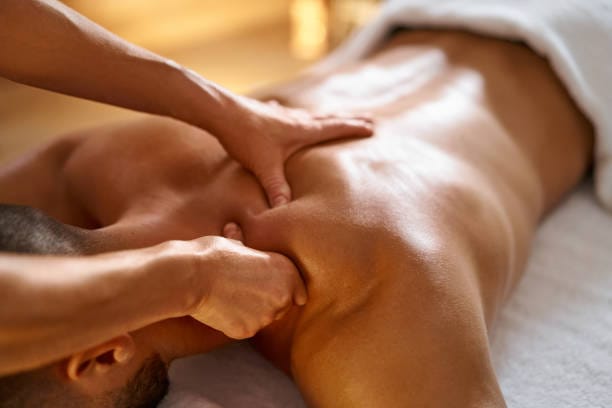
How Manual Osteopathy Students Can Excel in Patient Assessment and Case History Taking

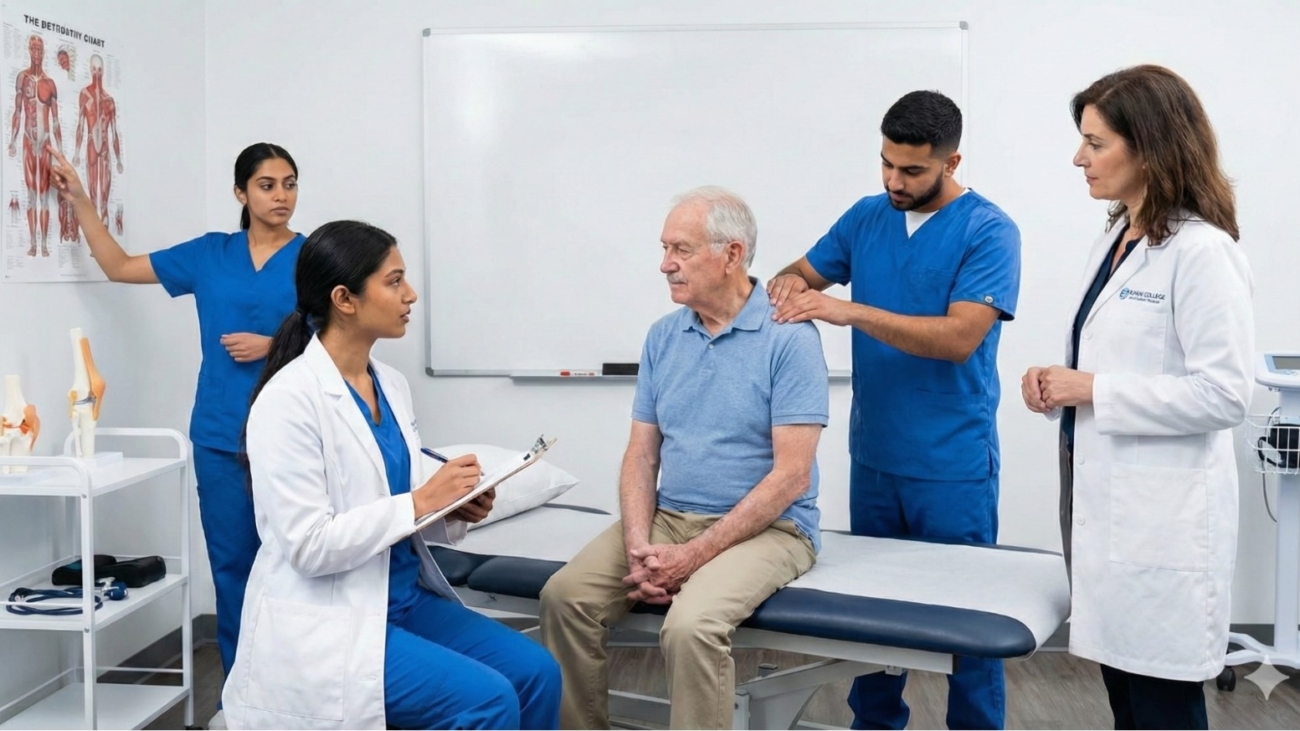
Patient assessment is the foundation of manual osteopathy. Before any treatment begins, a practitioner must understand the patient’s body, health history, and current concerns. This is why osteopathy assessment skills play a central role in a student’s learning journey. Strong assessment helps students move from classroom theory to real clinical confidence. At Ruhani College, osteopathy students are guided step by step to develop assessment skills that reflect real-world practice.

Why Assessment Skills Matter in Manual Osteopathy

Manual osteopathy is based on understanding how the body works as a whole system. Without proper evaluation, treatment decisions can be unclear. This is why osteopathy assessment skills are among the most important abilities students must develop early in their training.Good assessment helps identify movement restrictions, tissue tension, and postural imbalance. Strong osteopathy assessment skills lead to safer care, better treatment results, and stronger patient trust.

Learning Patient Assessment Step by Step

For beginners, patient assessment for osteopathy students starts with observation. Students learn how to assess posture, walking patterns, and body alignment. These early steps help them understand how one issue may affect multiple areas of the body.As training progresses, osteopathy assessment skills improve through structured physical checks, listening skills, and guided questioning. These basics create a strong foundation for clinical confidence.

The Importance of Case History Taking

Collecting accurate information is critical. Learning clinical case history osteopathy methods teaches students how to understand a patient’s lifestyle, injuries, work habits, and stress levels.Strong communication supports strong osteopathy assessment skills. Clear case histories allow students to plan safe, personalized treatments.

Palpation and Hands-On Learning

Palpation is a core osteopathic skill. Through manual osteopathy palpation training, students learn to feel muscle tone, tissue texture, and movement patterns.Hands-on practice strengthens osteopathy assessment skills and helps students trust their clinical judgment. Over time, palpation becomes an essential part of assessment thinking.

Musculoskeletal Assessment and Movement Testing

Understanding joint motion and muscle behavior is essential. Musculoskeletal assessment skills Ontario training helps students identify movement limits and functional problems.When students practice joint testing and movement analysis, their osteopathy assessment skills improve and their treatment planning becomes more precise.

Preparing for Clinical Exams

Many students feel pressure during evaluations. Osteopathy student clinical exams test assessment accuracy, communication, and professionalism.Students with strong osteopathy assessment skills feel more confident because they follow a clear assessment structure. Regular practice and feedback help reduce exam stress.

Soft-Tissue Assessment Techniques

Through soft-tissue assessment techniques, students learn how fascia and muscles respond to strain and injury. These techniques help locate tension and mobility limits.Improving osteopathy assessment skills in soft tissue evaluation allows treatments to be more targeted and effective.

Documentation and Clinical Notes

Professional practice requires accurate records. Osteopathy case documentation tips teach students how to write clear and useful clinical notes.Strong osteopathy assessment skills include proper documentation so patient progress can be monitored safely and clearly.

Becoming Job-Ready Through Assessment Training

Employers expect graduates to assess patients independently. Becoming job-ready manual osteopath training focuses heavily on assessment accuracy and professionalism.Students with confident osteopathy assessment skills transition smoothly into clinics and wellness centers.

Hands-On Clinical Practice Experience

Developing hands-on osteopathy examination skills requires real patient interaction under supervision. Student clinics and lab sessions help bridge theory and practice.Each clinical session strengthens osteopathy assessment skills through exposure to real conditions and patient needs.

Structured Learning Through Diploma Modules

Programs include osteopathy diploma assessment modules that gradually build skills through theory, demonstrations, and supervised practice.At Ruhani College, these modules ensure students develop osteopathy assessment skills without feeling overwhelmed.

Learning Across Healthcare Disciplines

Many osteopathy students explore other wellness fields to broaden their understanding of assessment methods. Learning about Acupuncture Certification in Ontario helps students see how detailed patient evaluation and case history taking are applied across holistic care approaches.This wider exposure strengthens osteopathy assessment skills and improves clinical reasoning.

Understanding Assessment in Massage Therapy Education

Assessment methods used in RMT training courses in Ontario offer valuable insight into structured evaluation, palpation accuracy, and professional documentation. Observing how massage therapy programs teach assessment helps osteopathy students refine their own approach and improve clinical confidence.This shared learning supports long-term success in multidisciplinary clinic environments.

Building Transferable Clinical Confidence

Many practical abilities developed during massage therapy education also support osteopathy training. Concepts such as skills RMT student should master, including communication, client interaction, and hands-on awareness, often help osteopathy students improve accuracy, professionalism, and trust during patient assessments.

Final Thoughts on Mastering Osteopathy Assessment Skills

Patient assessment is the foundation of safe and effective osteopathic care. With regular practice, structured guidance, and real clinical exposure, students can build lasting confidence in evaluation and case history taking. Institutions like Ruhani College support this growth through hands-on training, strong clinical structure, and continuous feedback. As healthcare continues to evolve, strong osteopathy assessment skills will remain essential for students who want to succeed, earn patient trust, and grow into confident manual osteopathy practitioners.

WhatsApp Image 2025-12-18 at 3.45.57 PM (1)

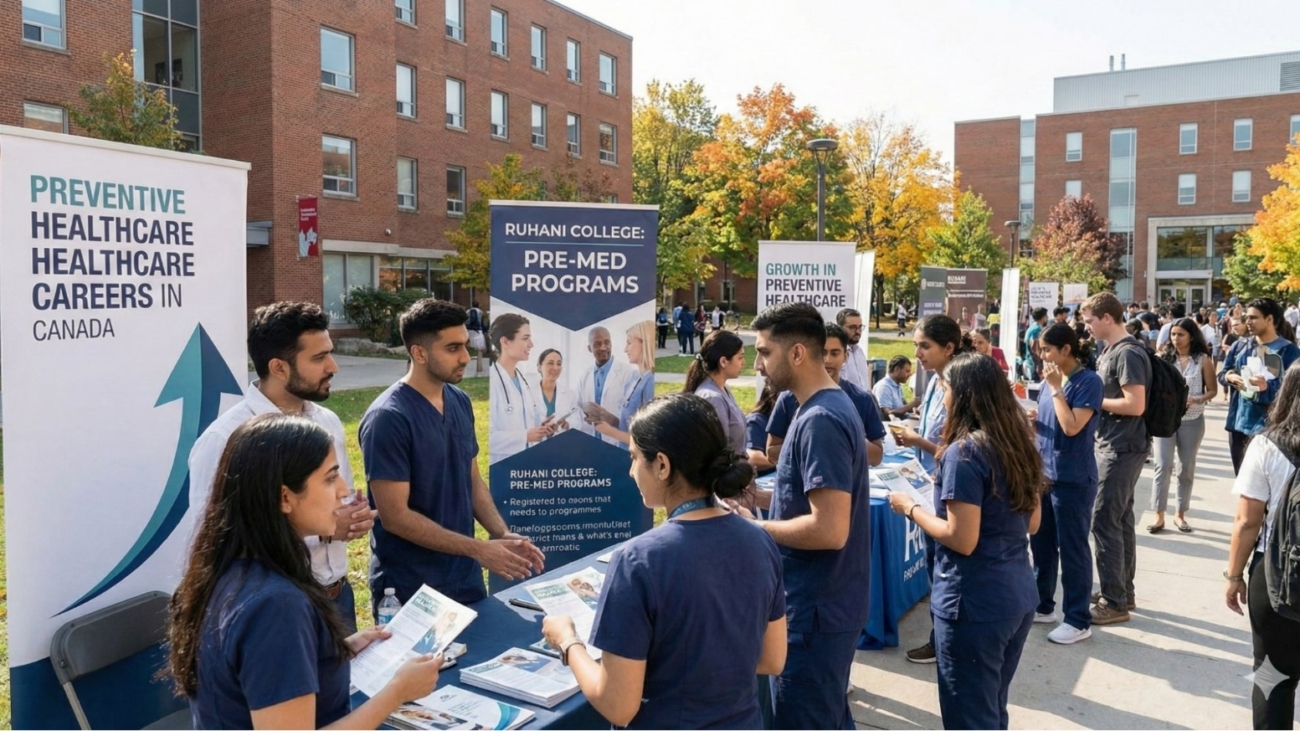
The Rise of Preventive Healthcare Careers in Canada and Why Pre-Med Graduates Are in High Demand

Healthcare in Canada is changing quickly. Instead of only focusing on treating illness, the system is now giving more importance to prevention, early care, and long-term wellness. This shift has created strong growth in preventive healthcare careers Canada, making Pre-Med graduates more valuable than ever. Hospitals, clinics, public health units, and wellness organizations are all looking for professionals who understand prevention and population health.At Ruhani College, many students preparing for medical and healthcare careers are choosing Pre-Med programs because they open doors to preventive healthcare careers Canada and beyond.

Why Preventive Healthcare Is Becoming a Priority

Rising healthcare costs, chronic illness, and an aging population have pushed Canada to rethink how care is delivered. Preventive care focuses on reducing risk before illness becomes serious. This approach improves quality of life and reduces pressure on hospitals.Because of this shift, preventive healthcare careers Canada are expanding across many healthcare sectors. This growing interest answers the common question of why study preventive healthcare, especially for students who want long-term impact.

How Pre-Med Education Supports Preventive Medicine

The Pre-Med pathway to preventive medicine gives students a strong foundation in biology, health sciences, and patient awareness. Pre-Med students learn how diseases develop, how lifestyle affects health, and how early action can prevent long-term problems. These skills directly support preventive healthcare careers Canada.Pre-Med education also plays an important role in medical school preparation through preventive care, helping students stand out with a broader understanding of healthcare systems.

Career Opportunities in Ontario and Across Canada

There are many preventive care career opportunities Ontario offers for Pre-Med graduates. These include roles in public health departments, research organizations, wellness clinics, healthcare planning teams, and community programs.Across the country, preventive healthcare careers Canada are growing in both urban and rural areas as governments and private organizations invest more in early intervention and health education.

Public Health and Community-Focused Roles

Many students explore public health careers for Pre-Med students, where they work on disease prevention, health education, vaccination planning, and community wellness programs. These roles are a major part of preventive healthcare careers Canada and allow professionals to make a wide impact.Some students also explore related programs like early childhood education course in ontario, where early prevention and health awareness begin at a young age and support lifelong wellness.

Skills Needed for Preventive Healthcare Careers

Success in preventive healthcare careers Canada depends on a mix of science knowledge and communication skills. Learning the preventive health skills to learn such as data analysis, patient education, risk assessment, and teamwork helps professionals guide individuals and communities toward better health.These skills are useful across many healthcare fields, including therapy and rehabilitation programs like the Registered Massage Therapist program in Ontario, which also focuses on injury prevention and long-term care.

Gaining Experience Before Medical School

Many students look for Pre-Med jobs before medical school to gain hands-on experience. These roles include research assistants, clinic coordinators, public health aides, and wellness program assistants. These positions support preventive healthcare careers Canada while helping students build strong resumes.Early work experience also helps students understand real-world healthcare environments and patient needs.

Preventive Healthcare Diplomas and Certifications

As demand increases, more institutions are offering focused programs such as preventive healthcare diploma Ontario options. These programs allow students to work directly in prevention-focused roles without entering medical school immediately.Graduates from these pathways contribute significantly to preventive healthcare careers Canada, especially in community health and wellness planning.

Preventive Care and Allied Health Professions

Preventive healthcare works closely with allied health fields. Many professionals combine knowledge across disciplines. Understanding how RMT training prepares for practice shows how early intervention can prevent chronic pain and long-term injury.This connection strengthens health sciences careers in Canada and creates flexible career paths for graduates interested in prevention and rehabilitation.

The Future of Preventive Medicine in Canada

The future of preventive medicine in Canada looks strong. Healthcare policies, insurance providers, and technology are all supporting early care and wellness planning. Data-driven healthcare, patient education, and community-based programs are shaping the next generation of preventive healthcare careers in Canada.This growth offers stability, career satisfaction, and long-term opportunities for trained professionals.

How Ruhani College Supports Preventive Career Paths

Ruhani College encourages students to think beyond traditional healthcare roles. Through strong Pre-Med education, students gain the foundational knowledge needed for preventive healthcare careers Canada, public health roles, and allied health pathways.By focusing on academic strength, practical exposure, and career readiness, Ruhani College helps students prepare for healthcare careers that focus on prevention, education, and long-term impact.

Final Thoughts on Preventive Healthcare Careers

The healthcare industry is moving toward prevention, education, and long-term wellness. This shift has created strong demand for skilled professionals trained through Pre-Med pathways, and institutions like Ruhani College help prepare students with the foundational knowledge needed for this evolving healthcare model. As healthcare continues to grow and adapt, preventive healthcare careers Canada will remain essential to building a healthier population.

For students who want purpose, stability, and real impact, preventive healthcare offers a future where knowledge truly makes a difference and early preparation leads to meaningful, long-term careers.