Registered massage therapist licensing Ontario

Understanding Registered Massage Therapist Licensing in Ontario

Massage therapy is a growing healthcare profession in Canada. If you want to practice legally as a Registered Massage Therapist (RMT), you must understand the process of registered massage therapist licensing Ontario. This process ensures that practitioners meet professional standards and are well-prepared to provide safe and effective care.

At Ruhani College, students learn both theory and practical skills that help them prepare for the licensing journey. Whether you are new to healthcare or looking to expand your skills, knowing the requirements is the first step toward a rewarding massage therapy career.

Why Licensing Matters in Massage Therapy

Licensing is not just a formality. The registered massage therapist licensing Ontario process ensures that clients receive care from qualified professionals. It also protects the reputation of the profession. Without proper licensing, a person cannot legally use the RMT title or provide massage therapy treatments in Ontario.

This means that every aspiring therapist must carefully follow the CMTO registration process and meet the official RMT licensing requirements before beginning their career.

Steps in the Licensing Process

If you are planning for registered massage therapist licensing Ontario, here are the main steps:

  • Complete education from approved Ontario massage therapy colleges.
  • Meet clinical training hours as part of the program.
  • Apply to CMTO (College of Massage Therapists of Ontario).
  • Pass the certification exams (both written and practical).
  • Submit proof of good character and health.
  • Pay registration fees and receive your license.

Each of these steps plays a vital role in shaping your career in massage therapy.

Education Requirements

Before applying for registered massage therapist licensing Ontario, candidates must complete an accredited massage therapy program. This includes courses in anatomy, physiology, pathology, and hands-on practice. Colleges also teach professional ethics and safety, preparing students for the responsibilities of being an RMT.

Understanding the Certification Exams

One of the biggest parts of registered massage therapist licensing Ontario is the exam stage. The CMTO exam has two parts:

  • Written exam – tests your knowledge of theory and clinical concepts.
  • Practical exam – checks your ability to perform treatments safely and professionally.

Preparing for these exams can be stressful, but with the right training and study habits, students gain the confidence to succeed. Many graduates look for licensing exam tips for RMTs to guide their study plan.

License Renewal and Maintenance

Getting licensed is not the final step. Registered massage therapist licensing Ontario also includes ongoing renewal. RMTs must:

  • Renew their license every year.
  • Complete continuing education activities.
  • Maintain professional liability insurance.

This ensures that massage therapists stay updated with new techniques and continue to provide safe services.

Career Impact of Licensing

The journey of registered massage therapist licensing Ontario leads directly to career growth. With an active license, RMTs can:

  • Work in clinics, wellness centers, or rehabilitation facilities.
  • Join sports teams as healthcare support staff.
  • Explore private practice opportunities.
  • Grow their careers in Ontario’s healthcare system.

Without a license, none of these options would be possible.

Common Challenges in the Licensing Journey
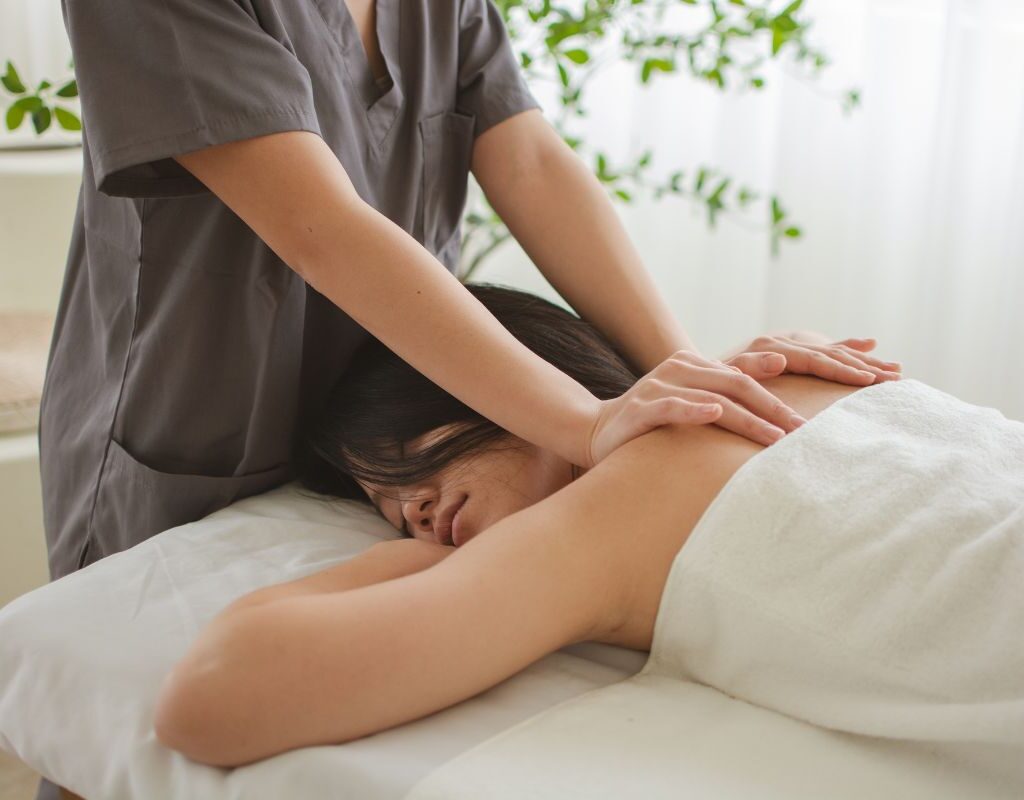
Many students preparing for registered massage therapist licensing Ontario face challenges such as exam stress, understanding application requirements, or managing paperwork. Support from educators and mentors plays a huge role in overcoming these challenges. Ruhani College emphasizes practical learning to help students feel prepared when they step into real-world licensing steps.

How Ruhani College Supports Students

Ruhani College programs are designed with the registered massage therapist licensing Ontario journey in mind. Students not only learn massage therapy techniques but also gain skills that directly apply to licensing exams. With hands-on clinical practice and guidance, graduates are ready to meet licensing requirements with confidence.

Conclusion

The path to becoming an RMT begins with education and ends with achieving a license. Understanding registered massage therapist licensing Ontario is the key to entering a respected healthcare profession. From training to exams and license renewal, every step ensures that clients get safe, professional care.Ruhani College continues to prepare students for this journey, helping them build careers that make a difference in people’s lives. If you are planning to join the profession, start with quality education and be ready for the licensing process that will shape your future.

Osteopathic manual therapy benefits

Osteopathic Manual Therapy Benefits for Sports Injuries

Sports injuries can affect anyone—whether you are a professional athlete or someone who enjoys health fitness. Recovery is often slow, but with the right support, healing can be faster and more complete. One proven approach is osteopathic manual therapy benefits, which focuses on hands-on care for muscles, joints, and bones.

In Ontario, athletes are discovering how osteopathic manual therapy benefits helps to reduce pain, improve movement, and prevent future injuries. At Ruhani College, students learn how osteopathy works as part of modern healthcare and how it prepares them for meaningful careers.

Why Osteopathic Manual Therapy Matters

The main goal of osteopathy is to restore balance in the body. Instead of only treating the painful area, it looks at how the whole body functions together. This makes osteopathic manual therapy benefits different from many other treatments.

For athletes, these benefits mean more than short-term relief. They include:

  • Faster recovery from common sports injuries.
  • Better movement and flexibility.
  • Reduced long-term pain.
  • Improved body alignment and posture.
  • Lower risk of reinjury.

When combined with proper rest and training, these osteopathic manual therapy benefits can make a big difference in athletic performance.

Sports Injury Treatment in Ontario

Ontario athletes often look for safe and effective recovery options. Sports injury treatment Ontario covers many services, but osteopathy stands out because it uses gentle, hands-on methods.

Injuries that respond well to osteopathic manual therapy benefits include:

  • Muscle strains and sprains
  • Joint stiffness
  • Neck or back injuries
  • Overuse injuries like tennis elbow
  • Limited flexibility from training

These examples show how osteopathy supports both quick recovery and long-term health for athletes.

Osteopathy vs Physiotherapy

When people hear about recovery care, they often compare osteopathy vs physiotherapy. Both treatments are useful, but their methods differ:

  • Physiotherapy uses exercises and equipment to rebuild strength.
  • Osteopathy uses manual adjustments to restore body balance.

For many athletes, combining both gives the results. Still, the unique osteopathic manual therapy benefits make it valuable on its own, especially for those who want natural and drug-free care.

Managing Chronic Pain with Osteopathy

Chronic pain is common after repeated sports injuries. Many athletes face ongoing discomfort in joints, shoulders, or backs. Here, osteopathic manual therapy benefits become especially important.

By releasing tension, improving circulation, and restoring alignment, osteopathy helps the body heal naturally. This approach not only eases pain but also prevents it from becoming worse over time.

Osteopathic Rehab Techniques for Athletes

Recovery requires the right rehab methods. Some common osteopathic rehab techniques include:

  • Gentle joint movement to improve flexibility.
  • Soft tissue work to release muscle tightness.
  • Posture correction to prevent further injuries.
  • Breathing support to improve oxygen flow.

Each of these methods adds to the overall osteopathic manual therapy benefits that athletes experience during recovery.

Certified Osteopathic Practitioners in Ontario

For safe and effective treatment, it is important to see a certified osteopathic practitioner Ontario. Proper training ensures that techniques are applied correctly.

Students at Ruhani College train in osteopathy through both classroom learning and supervised practice. This prepares them to deliver real osteopathic manual therapy benefits to patients, including athletes dealing with injuries.

Manual Osteopathy for Athletes Beyond Injuries

While osteopathy is often linked with recovery, the osteopathic manual therapy benefits also support everyday performance. Many athletes use osteopathy to:

  • Improve flexibility for better movement.
  • Maintain balance in the body.
  • Recover faster after workouts.
  • Manage stress and fatigue.

This shows how manual osteopathy for athletes is not only about healing injuries but also about keeping the body in peak condition.

Ruhani College and Osteopathy

At Ruhani College, students gain knowledge about healthcare practices, including osteopathy. Training programs give future practitioners the skills needed to apply osteopathic manual therapy benefits in real healthcare settings.

By connecting theory with practice, Ruhani College helps learners prepare for meaningful healthcare careers while understanding how osteopathy supports athletes and patients alike.

Conclusion

Sports injuries are part of an active life, but healing does not have to be a challenge. With the right care, recovery becomes faster and safer. Osteopathic manual therapy benefits athletes by reducing pain, improving mobility, and restoring balance to the body.

Whether used for injury recovery, chronic pain, or prevention, the osteopathic manual therapy benefits continue to make a difference in Ontario’s sports community. With guidance from a certified osteopathic practitioner Ontario, athletes can return to the field stronger and healthier.

Ruhani College prepares students to understand and deliver these therapies, making osteopathy not just a treatment but also a career path that supports health and wellness in real life.

Acupuncture Education in Ontario

Acupuncture Education in Ontario: Training and Career Pathways

Acupuncture has become an important part of healthcare in Canada. People look for natural ways to manage pain, improve wellness, and recover from illness. This demand has created new career opportunities for students interested in studying acupuncture.

If you are thinking about building a career in holistic health, learning about acupuncture education Ontario is a good first step. In Ontario, training includes classroom knowledge, practical skills, and supervised practice. Programs are designed to prepare students for licensing and professional roles in wellness clinics, rehabilitation centers, and healthcare offices.

At Ruhani College, students can explore pathways in acupuncture and other healthcare programs that connect them with the growing field of natural medicine.

Why Choose Acupuncture Education in Ontario?

Ontario has a diverse healthcare system, where both modern and traditional approaches are valued. Students who decide to study acupuncture Ontario benefit from:

  • Structured training that combines theory and practice.
  • Exposure to holistic methods of treatment.
  • Guidance for meeting the acupuncture licensing Ontario requirements.
  • A clear route to working in clinics, wellness centers, or independent practice.

Acupuncture education Ontario prepares graduates with real skills that connect directly to patient care. This focus on both knowledge and hands-on practice makes the training practical and job-focused.

What to Expect in Acupuncture Training Ontario

Students entering acupuncture training in Ontario can expect to learn:

  • The history and philosophy of acupuncture.
  • Human anatomy and how acupuncture interacts with the body.
  • Techniques for safe and effective treatment.
  • Communication and professionalism for working with patients.

By the end of the course, graduates are ready to move forward with the acupuncture certification process and meet the standards required to practice in the province.

Benefits of an Acupuncture Diploma

An acupuncture diploma benefits students in many ways. It not only opens doors to employment but also builds long-term career security. Some of the key benefits include:

  • Access to roles in wellness and rehabilitation clinics.
  • Skills that can support independent practice.
  • A strong foundation for lifelong learning in holistic health.
  • Pathways for further acupuncture continuing education Canada.

Many graduates also combine their diploma with other healthcare programs, creating more career opportunities in the wellness field.

Career Opportunities After Acupuncture Education Ontario

Graduates of acupuncture education Ontario can choose several paths:

  • Working as an acupuncturist in wellness clinics.
  • Supporting patients in rehabilitation centers.
  • Offering services in healthcare offices alongside other practitioners.
  • Building independent practice with repeat clients.

These options make acupuncture a flexible and meaningful healthcare career.

The Acupuncture Certification Process

Completing training is only one part of the journey. Students also need to understand the acupuncture certification process in Ontario. This process ensures that graduates meet provincial standards before practicing with the public.

Certification usually involves:

  • Finishing an approved diploma program.
  • Completing supervised clinical hours.
  • Passing the required exams.

This pathway gives confidence to both students and patients, showing that professionals are fully prepared for the role.

Role of Holistic Health Education

Holistic health education is about looking at the body as a whole rather than treating one symptom at a time. Acupuncture is one of the main practices that follows this approach. Training in Ontario allows students to see how acupuncture fits within larger healthcare models.

This makes acupuncture education Ontario not just about techniques, but about understanding wellness from a broader perspective.

Adding More Career Pathways

While acupuncture is a strong career option, Ruhani College also offers other healthcare training that builds diverse opportunities. Students often explore different programs to expand their skills and employment choices. For example:

  • Acupuncture Diploma Programs Ontario prepare graduates for holistic health careers.
  • Osteopathy Certification Ontario provides knowledge in manual therapy and natural healing.

Both of these options connect well with acupuncture training and open more pathways in healthcare careers.

Importance of Continuing Education

Healthcare is always changing. For acupuncture graduates, acupuncture continuing education Canada is an important step. It allows professionals to stay updated with new methods, deepen their ise, and expand their client base.

This also ensures that students who complete acupuncture education Ontario can continue to grow throughout their careers.

What Students Say About Training

Many learners search for acupuncture school reviews in Ontario to understand what to expect before joining a program. Reviews often highlight:

  • Helpful instructors who guide students in both theory and practice.
  • Clinical training that makes students confident.
  • The balance between classroom learning and real-world experience.

This feedback shows that acupuncture education Ontario prepares students for practical careers, not just academic success.

How Ruhani College Supports Students

At Ruhani College, students are encouraged to think beyond the classroom. The goal is not just to complete a diploma, but to prepare for meaningful work in healthcare. With programs that emphasize practical healthcare education and real-world skills, Ruhani helps students take confident steps into their careers.

By offering programs in acupuncture, osteopathy, massage therapy, personal support work, and more, Ruhani connects students to a wide variety of healthcare roles. For anyone planning to build a career through acupuncture education Ontario, Ruhani provides the right foundation.

Conclusion

Acupuncture is growing as an important part of healthcare in Ontario. Students who choose acupuncture education Ontario gain the chance to work in wellness, rehabilitation, and natural health. Training covers classroom knowledge, hands-on practice, and clinical skills, all licensing and real-world employment.

With supportive programs at institutions like Ruhani College, learners can explore pathways such as acupuncture, osteopathy, and other holistic health careers. Whether your goal is to work in clinics, support patients in recovery, or build an independent practice, acupuncture training provides the skills you need for the future.