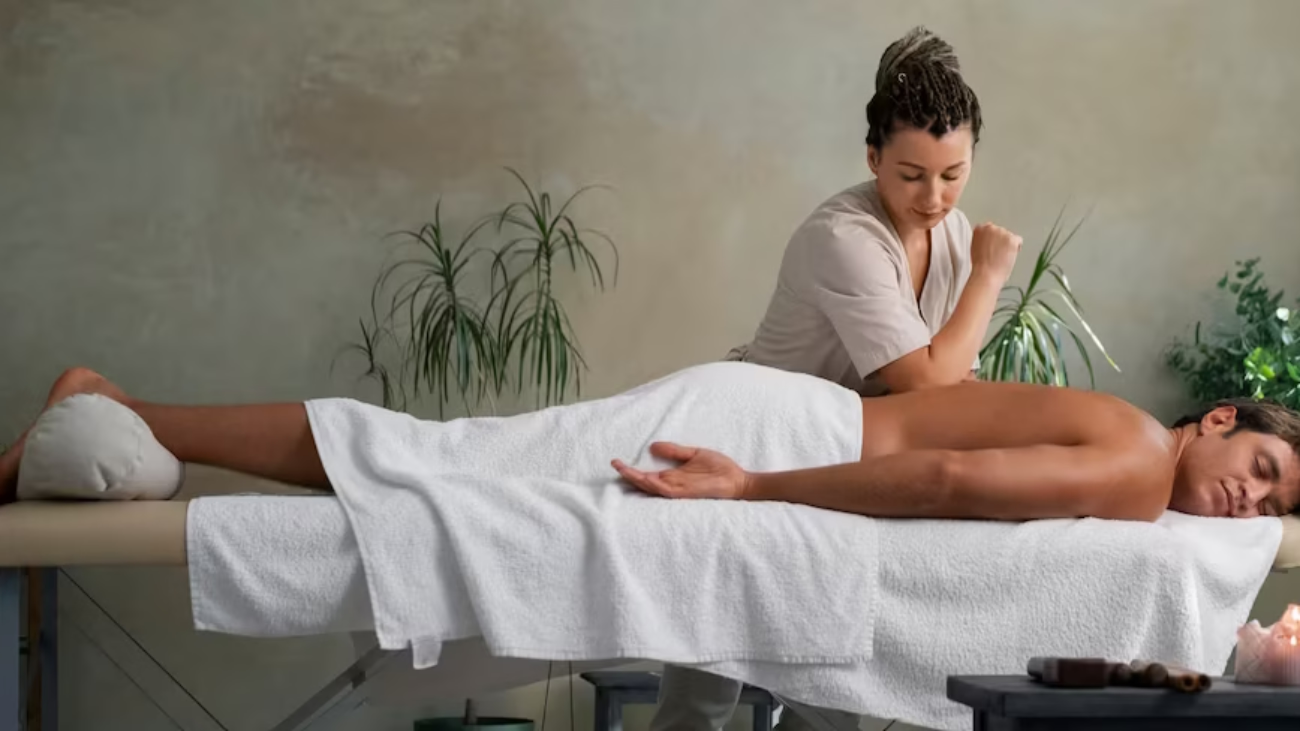
Start a Massage Therapy Clinic

How to Start a Massage Therapy Clinic: From RMT Certification to Private Practice

Becoming a Registered Massage Therapist (RMT) in Ontario is a strong first step in building a long-term career in healthcare. But for many, the real dream is to start a massage therapy clinic and run a personal wellness practice. Turning this dream into reality takes planning, training, and the right guidance.

Ruhani College offers a focused program for aspiring RMTs, helping students move from learning to launching their own clinics. This blog explains how to go from certification to private practice step by step.

Why Start a Massage Therapy Clinic in Ontario?

Many certified RMTs are choosing to start a massage therapy clinic instead of working full-time for someone else. It offers flexibility, independence, and the chance to build your own brand. With the right training and support, becoming a clinic owner is more possible than ever before.

Step 1: Complete Your RMT Training

To start a massage therapy clinic, getting certified as an RMT is the first step. Ruhani College in Ontario offers a flexible program—12 months full-time or 18 months part-time—that prepares students with the knowledge and skills needed for a successful practice. The course covers everything from anatomy and massage techniques to treatment planning, ethics, and business basics.

Step 2: Gain Real-World Experience

Before you launch your own business, work in wellness centers or clinics to understand daily operations. This builds your skills, helps you handle clients, and gives you a solid foundation to later start a massage therapy clinic confidently.

Step 3: RMT Business Setup in Ontario

To successfully start a massage therapy clinic in Ontario, you’ll need to plan every detail. Some key steps include:

  • Registering your business and clinic name
  • Deciding on services (massage, cupping, reflexology, etc.)
  • Choosing a location
  • Pricing your services competitively
  • Developing your brand and online presence

Planning your RMT business setup in Ontario early helps prevent mistakes and sets you up for success.

Step 4: Get Your Massage Clinic Business License

If you’re thinking about how to open a wellness clinic in Canada, licensing is essential. Apply for:

  • A massage clinic business license
  • Business number with CRA
  • Liability and commercial insurance
  • HST registration (if required)

This ensures your private practice runs legally and professionally.

Step 5: Build Your Physical Clinic

Once your paperwork is in order, it’s time to build your space. To start a massage therapy clinic, you need:

  • Treatment rooms
  • Clean massage tables and supplies
  • Booking/payment software
  • Comfortable reception or waiting area
  • A welcoming, calming environment

Your clinic should reflect your care and attention to client comfort.

Step 6: Create a Strong Online Presence

Marketing is key when you start a massage therapy clinic. Make it easy for new clients to find you:

  • Build a professional website
  • Share content on Instagram, Facebook, or Google Business
  • Encourage reviews from happy clients
  • Optimize your site for “massage therapy clinic near me” and related searches

Having a strong online presence is one of the private RMT business tips you can follow.

Mistakes to Avoid When Starting a Massage Therapy Clinic

Even skilled RMTs can make avoidable mistakes. Here are the ones to avoid:

  • Not having a business plan
  • Undervaluing your services
  • Skipping insurance or legal setup
  • Not promoting online
  • Burning out by doing everything yourself

Avoid these and your plan to start a massage therapy clinic will stay on track.

Tips From RMT Instructors

At Ruhani College, our instructors have trained dozens of successful therapists. Here are some of their important lessons for students looking to start a massage therapy clinic:

  • “Start small — even a home clinic works when you’re just beginning.”
  • “Always track your income, expenses, and appointments.”
  • “Keep your space clean, warm, and welcoming — that’s what clients remember.”
  • “Keep learning. New skills keep your practice competitive.”
  •  “Build connections with local gyms, wellness centers, and community groups.”

Step 7: Manage Your Clinic Like a Pro

Learning how to run your own massage therapy practice includes managing:

  • Client appointments
  • Follow-ups
  • Inventory (oils, linens)
  • Monthly income and taxes

Use tools or apps to stay organized and focused.

Conclusion: Ready to Start a Massage Therapy Clinic?

Starting your own clinic takes effort, but the rewards are worth it. Ruhani College gives you the training, hands-on skills, and support to move from certification to ownership.

If you’re ready to start a massage therapy clinic, begin with the right education and build step by step toward your own successful practice.
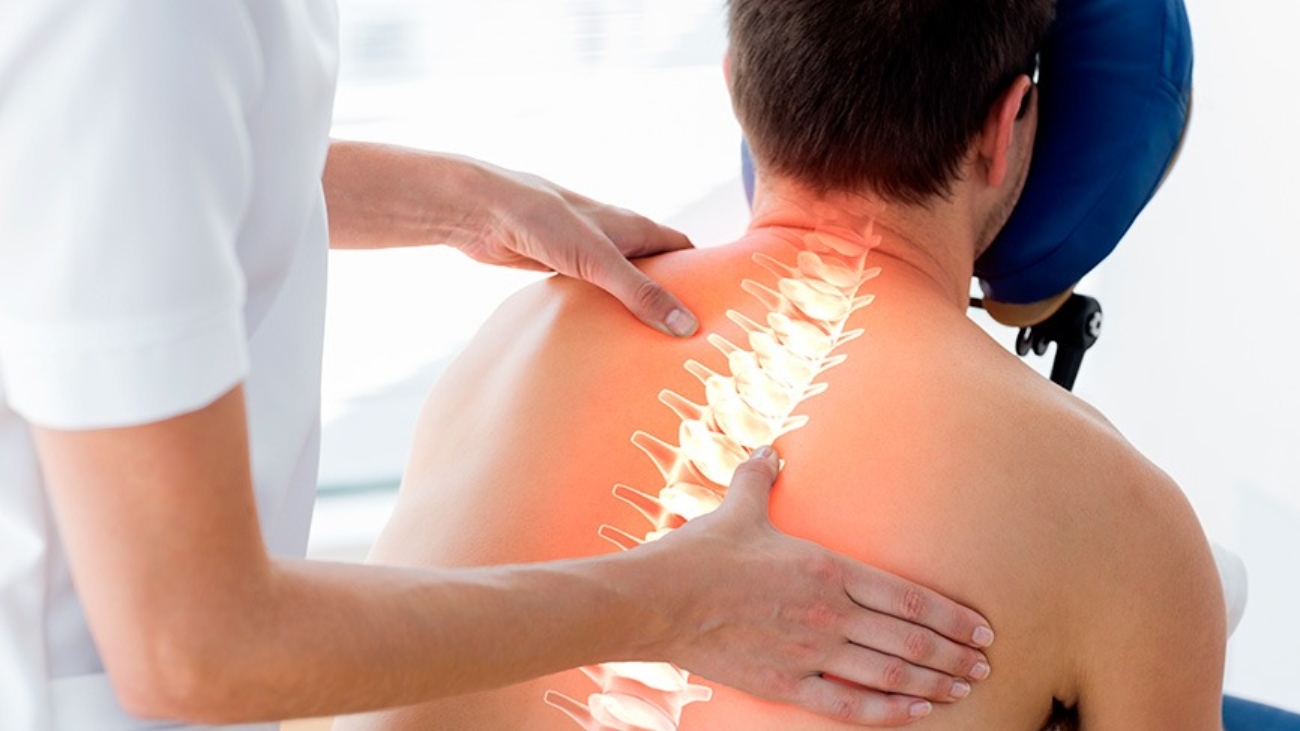
Manual Osteopathy Practitioner

Manual Osteopathy Practitioner: Key Techniques Every Student Should Learn

Becoming a manual osteopathy practitioner means learning to use your hands to support natural healing. It’s a healthcare path that doesn’t rely on machines or medication, but instead, on touch, movement, and body awareness.

At Ruhani College, students train to become confident professionals in this growing field. The college offers a practical program in manual osteopathy training in Canada, helping learners build skills that are respected and in demand across Ontario.

If you’re considering this career, here’s everything you need to know about the techniques, training, and career outcomes.

What Is a Manual Osteopathy Practitioner?

A manual osteopathy practitioner is someone trained to assess and treat the body using non-invasive techniques. They focus on balancing the muscles, joints, and soft tissues to improve mobility and reduce discomfort.

This method is based on the idea that the body can heal itself when its structure and function are in harmony.

By applying hands-on techniques in manual osteopathy, practitioners can help patients with:

  • Back and neck pain
  • Muscle tension
  • Joint stiffness
  • Headaches
  • Poor posture

These techniques are gentle, safe, and rooted in anatomy and biomechanics.

Why Study Manual Osteopathy in Ontario?

Ontario is one of the places to train as a manual osteopathy practitioner. The demand for natural, hands-on healthcare is rising, and wellness clinics, rehab centers, and private practices are all looking for skilled professionals.

Ruhani College offers a complete manual osteopathy diploma Ontario that covers both theory and real-world training. Students learn how to understand the body and apply various techniques that promote wellness without drugs or machines.

This diploma is ideal for anyone who wants to:

  • Work in holistic healthcare
  • Help people heal naturally
  • Learn a flexible skillset
  • Start their practice or join a clinic

Techniques Every Manual Osteopathy Practitioner Should Master

Here are some essential clinical skills for manual osteopathy taught during the program:

1. Soft Tissue Therapy Techniques

Soft tissue work focuses on muscles, tendons, and connective tissues. This method helps release tension and improves blood flow. Practitioners use slow, careful pressure to relax the body and reduce discomfort.

These soft tissue therapy techniques are often the first skill students learn in class.

2. Joint Mobilization

This involves gently moving a joint through its natural range of motion. It helps improve flexibility, reduce stiffness, and restore function. This is important for clients dealing with joint pain or limited movement.

Joint mobilization is one of the most used hands-on techniques in manual osteopathy.

3. Myofascial Release

Fascia is the thin layer of tissue that covers muscles. When it becomes tight, it can cause pain and limit movement. Myofascial release uses slow stretching to release this tension and improve body mechanics.

This technique is very effective in reducing pain from old injuries or stress.

4. Muscle Energy Techniques

This method uses the client’s muscle contractions to improve joint mobility. The manual osteopathy practitioner resists the movement gently, which encourages the muscles to stretch safely and return to balance.

These techniques help with both strength and flexibility.

5. Cranial Sacral Techniques

These gentle methods focus on the head, spine, and pelvis. Using light touch, the practitioner supports fluid movement and relaxation. This is particularly useful for clients experiencing stress, headaches, or sleep disturbances.

While very soft, it’s a powerful part of a manual therapy practitioner education.

What Will You Learn in the Diploma Program?

The manual osteopathy diploma Ontario offered by Ruhani College includes:

  • Anatomy and body systems
  • Safe treatment methods
  • Clinical practice
  • Ethics and patient communication
  • Developing treatment plans

Students also get hands-on clinical hours where they practice their skills on real clients under supervision.

This gives them a solid foundation in manual osteopathy training in Canada, preparing them for real-world practice.

Real Practice, Real Results

One of the parts of this program is the focus on clinical skills for manual osteopathy. Students:

  • Train in small groups
  • Get feedback from experienced instructors
  • Work with classmates in lab sessions
  • Practice on real patients during supervised clinic hours

By the end of the program, each student can confidently apply core hands-on techniques in manual osteopathy and offer professional care.

Career Options After Graduation

After completing your diploma and training, you can:

  • Work as a Manual Osteopathy Practitioner in wellness clinics
  • Join rehab centers, yoga studios, or physiotherapy teams
  • Offer services at holistic health centers
  • Start your own private practice
  • Provide pain relief and stress management to clients of all ages

This field allows flexibility—whether you want full-time work, part-time care, or even mobile services.

You can grow your client base over time and even specialize in areas like chronic pain, sports recovery, or workplace stress.

Why Choose Ruhani College?

Ruhani College offers:

  • Practical, job-focused training
  • A clear, supportive learning path
  • Experienced instructors
  • Clinical hours with real patient interaction
  • A respected manual therapy practitioner’s education

Whether you’re new to healthcare or already working in wellness, the diploma helps you level up your skills and become a trusted professional in your community.

A Rewarding Path in Natural Healthcare

Becoming a manual osteopathy practitioner is about more than learning techniques—it’s about offering care that supports people’s health naturally.

Clients are increasingly looking for gentle, drug-free ways to feel better. As a trained practitioner, you become part of that change.

With the right training and support, you can:

  • Help others feel stronger and healthier
  • Offer meaningful care
  • Work in an industry that’s growing
  • Build a flexible, respected career

Start Your Journey Today

If you’re interested in becoming a manual osteopathy practitioner, Ruhani College’s diploma program gives you the tools, training, and support to succeed.

With a mix of theory, practical work, and supervised clinic experience, you’ll graduate ready to help others and start your career confidently.

Whether you want to join a clinic or build your brand, your path starts here.