
Learn how anatomy importance in manual therapy directly impacts patient outcomes across massage therapy, osteopathy, and hands-on healthcare careers.

Why Anatomy Knowledge Is the Foundation of Successful Manual Therapy Outcomes

Manual therapies such as massage therapy and osteopathy rely heavily on understanding the human body. Every movement, technique, and treatment decision is guided by anatomy. This is why anatomy importance in manual therapy plays such a critical role in real-world patient care. When therapists understand how muscles, joints, and tissues connect and function, treatments become safer, more effective, and more personalized. At Ruhani College, anatomy is treated as a core subject because it directly affects how students perform in clinical environments and how patients respond to care.

Understanding the Role of Anatomy in Manual Therapy

Manual therapy focuses on improving movement, easing pain, and supporting body balance. Without clear anatomical knowledge, treatments can lack direction and safety. The anatomy importance in manual therapy becomes clear when therapists must identify structures accurately, understand movement patterns, and recognize how one area of the body can influence another. Knowledge of functional anatomy healthcare helps therapists adapt their approach based on each patient’s needs instead of following fixed routines.

Applied Anatomy in Everyday Clinical Practice

Learning applied anatomy for therapists helps students move beyond memorization and into real-world application. It teaches how muscles respond to pressure, how joints move through different ranges, and how posture affects pain and function. This practical understanding strengthens decision-making and highlights the true anatomy importance in manual therapy, allowing therapists to modify techniques safely while responding to patient feedback during treatment sessions.

Anatomy in Massage Therapy Practice

In anatomy in massage therapy practice, anatomy guides hand placement, pressure depth, and treatment flow. When therapists understand muscle layers, nerve locations, and tissue direction, sessions become more accurate and comfortable for patients. This accuracy improves outcomes and reduces discomfort, reinforcing why anatomy importance in manual therapy is essential for building trust and delivering effective care.

Anatomy Training for Osteopathy Students

For anatomy for osteopathy students, anatomy forms the base of assessment and treatment planning. Osteopathy views the body as an interconnected system, making anatomical understanding even more important. Strong anatomy knowledge improves assessment accuracy, helps identify restrictions, and supports better clinical reasoning, clearly demonstrating the ongoing anatomy importance in manual therapy within osteopathic practice.

How Anatomy Knowledge Improves Patient Outcomes

Clear anatomy knowledge clinical outcomes are seen when therapists choose the correct techniques, avoid sensitive structures, and adjust treatments safely. Patients recover faster and feel more confident when therapists show precision and understanding. This direct link between knowledge and results highlights the long-term anatomy importance in manual therapy across all hands-on healthcare roles.

Anatomy and Preventive Healthcare Thinking

Anatomy knowledge supports early intervention and injury prevention. Therapists who understand body mechanics can guide patients before issues become severe, which aligns closely with preventive healthcare careers Canada, where professionals focus on long-term wellness rather than symptom-based treatment. Strong anatomy education supports this preventive mindset and strengthens the role of manual therapy within modern healthcare systems.

Learning Anatomy in Healthcare Diploma Programs

An anatomy learning healthcare diploma teaches anatomy step by step through visuals, labs, and hands-on practice. This approach helps students connect theory with real patient scenarios and improves long-term understanding. Programs at Ruhani College emphasize anatomy because it builds confidence, safety awareness, and professional readiness, reinforcing the real-world anatomy importance in manual therapy.

Anatomy Knowledge Across Healthcare Careers

Anatomy understanding is valuable beyond manual therapy roles. Students exploring programs such as early childhood education course in ontario benefit from basic anatomy knowledge to support child movement, physical development, and safety. This broader learning shows how anatomy plays a role across different healthcare and education pathways.

Musculoskeletal Anatomy and Movement Analysis

The musculoskeletal anatomy application allows therapists to understand pain patterns, joint limitations, and muscle imbalances more clearly. This knowledge supports better assessments and personalized treatment plans. When movement analysis is guided by strong anatomy understanding, the anatomy importance in manual therapy becomes visible in everyday patient care.

Supporting Care in Community and Support Roles

Students enrolled in Personal Support Worker diploma Ontario programs rely on anatomy knowledge to assist clients safely with movement, transfers, and daily activities. Even in support-based healthcare roles, understanding anatomy reduces injury risk and improves care quality, demonstrating how anatomy importance in manual therapy extends into broader healthcare environments.

Anatomy as a Confidence Builder for Therapists

Therapists with strong anatomy knowledge communicate more clearly with patients. They explain conditions, answer questions confidently, and build trust. This confidence directly reflects the practical anatomy importance in manual therapy during real patient interactions and long-term care relationships.

How Ruhani College Emphasizes Anatomy Education

At Ruhani College, anatomy education goes beyond theory. Students engage in labs, demonstrations, and applied learning that reflect real clinical situations. This structured approach ensures learners understand the real-world anatomy importance in manual therapy before entering professional practice.

Final Thoughts on Anatomy and Patient Outcomes

Anatomy knowledge is the foundation of safe, effective, and confident manual therapy. From assessment to treatment planning, every clinical decision depends on understanding the human body. As healthcare continues to focus on prevention and quality care, the anatomy importance in manual therapy will remain essential for strong patient outcomes. With the right education and guidance from institutions like Ruhani College, students can build anatomy knowledge that supports long-term success and meaningful healthcare careers.

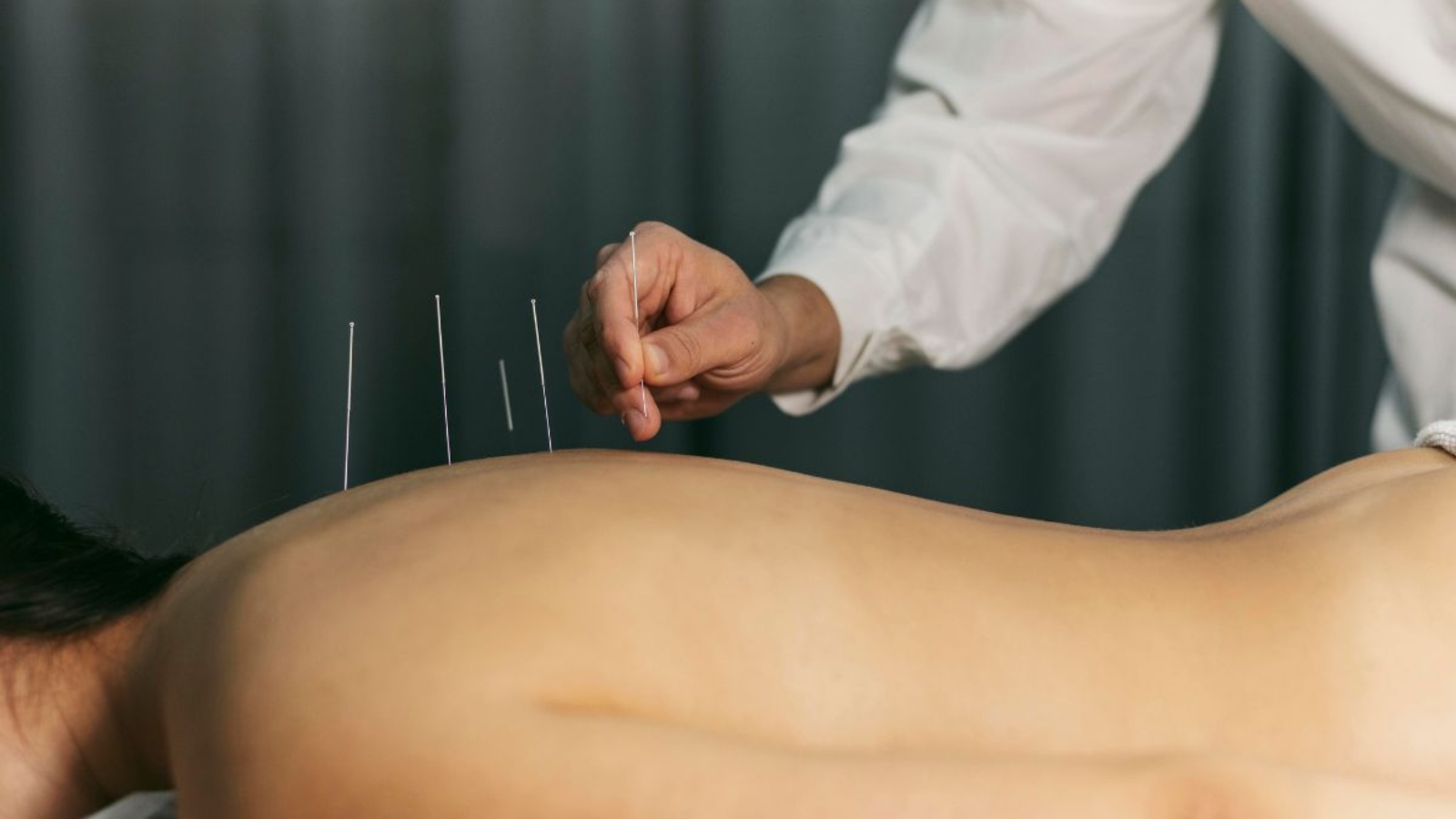


image3

Understanding Healthcare Scope of Practice Across Diploma Programs in Ontario

Choosing a healthcare diploma program is not only about learning skills but also about understanding professional limits and responsibilities. Every healthcare role in Ontario is guided by rules that define what a professional can and cannot do. This is known as the healthcare scope of practice in Ontario, and it plays a critical role in patient safety, legal protection, and professional confidence. At Ruhani College, students are encouraged to understand scope of practice early so they can build safe, ethical, and successful careers.

What Does Scope of Practice Mean in Healthcare

In simple terms, scope of practice defines the tasks, treatments, and decisions a healthcare professional is legally allowed to perform. The healthcare scope of practice Ontario ensures that each professional works within their training and certification. This structure protects patients and maintains trust in the healthcare system. Understanding scope of practice helps students avoid confusion and prepares them for real clinical environments.

Why Scope of Practice Is Important for Students

Students entering healthcare programs often focus on techniques and exams, but understanding scope is equally important. The healthcare scope of practice Ontario helps students know their professional boundaries before they begin clinical work. It also supports ethical decision-making and reduces the risk of legal issues later in practice.

Scope of Practice in Massage Therapy

Massage therapy is a regulated profession in Ontario. The scope of practice RMT Ontario defines what registered massage therapists are allowed to assess and treat. RMTs focus on soft tissue manipulation to improve function, reduce pain, and support wellness. Working outside this scope can create serious legal and professional consequences, which is why scope education is essential.

Students enrolled in the Registered Massage Therapist program in Ontario learn these boundaries clearly so they can practice confidently and safely after graduation.

Scope of Practice in Acupuncture

Acupuncture professionals follow strict regulatory standards. The acupuncture scope of practice Ontario outlines how and when acupuncture techniques can be used. These rules ensure patient safety and proper clinical care. Understanding the healthcare scope of practice Ontario helps acupuncture students avoid performing treatments outside their licensed authority.

Scope of Practice in Osteopathy

Osteopathy in Canada follows specific professional guidelines. The osteopathy scope practice Canada focuses on manual assessment and treatment of the musculoskeletal system. Osteopathy students learn how proper assessment supports ethical treatment planning, which connects strongly with osteopathy assessment skills developed during training.

Understanding the healthcare scope of practice Ontario allows osteopathy students to work safely within professional limits.

Regulated Healthcare Professions in Ontario

Ontario has several regulated healthcare professions Ontario, each governed by its own regulatory body. These bodies define education standards, ethical conduct, and scope of practice. The healthcare scope of practice Ontario ensures consistency across professions while allowing each role to serve patients effectively.

Legal and Compliance Responsibilities

Healthcare professionals must follow strict laws and policies. Healthcare compliance rules Ontario guide documentation, consent, treatment standards, and professional conduct. Staying compliant protects both patients and practitioners and reinforces the importance of the healthcare scope of practice Ontario in daily work.

Professional Boundaries and Ethical Practice

Maintaining professional boundaries in healthcare is essential for trust and safety. Scope of practice supports ethical behavior by clearly defining limits. When professionals respect boundaries, they protect their license and maintain strong patient relationships. This is a key part of understanding the healthcare scope of practice in Ontario.

Legal Scope and Career Protection

The legal scope of healthcare careers protects professionals from unintentional misconduct. Practicing within scope reduces legal risk and improves job stability. Students who understand the healthcare scope of practice Ontario early are better prepared for long-term career success.

Scope of Practice and Clinical Assessments

Assessment skills must always align with professional scope. For example, strong osteopathy assessment skills allow practitioners to evaluate patients effectively while staying within ethical and legal limits. This balance between skill and scope defines safe healthcare practice.

Learning Scope of Practice Through Education

Healthcare diploma programs teach scope through theory, case studies, and clinical scenarios. Understanding the healthcare scope of practice Ontario during education helps students transition smoothly into professional roles. At Ruhani College, scope education is integrated into clinical training to ensure clarity and confidence.

Scope Awareness in Acupuncture Training

Students enrolled in acupuncture training courses in Ontario learn how scope affects diagnosis, treatment planning, and patient communication. Clear understanding of scope helps acupuncture professionals work safely within multidisciplinary clinics while respecting other healthcare roles.

Scope of Practice in Multidisciplinary Settings

Many clinics employ multiple healthcare professionals. Understanding the healthcare scope of practice Ontario allows teams to collaborate effectively without overlap or conflict. Clear roles improve patient care and teamwork.

Scope of Practice and Patient Trust

Patients feel safer when professionals work confidently within their defined roles. Respecting scope improves transparency and trust. This trust is built when healthcare providers understand and follow the healthcare scope of practice in Ontario consistently.

How Ruhani College Prepares Students for Scope Awareness

At Ruhani College, students are trained to understand scope as part of professional identity. Through structured learning and practical exposure, students gain clarity on responsibilities and limits. This approach ensures graduates respect the healthcare scope of Ontario and practice ethically.

Final Thoughts on Healthcare Scope of Practice in Ontario

Understanding scope of practice is essential for safe, ethical, and confident healthcare careers. The healthcare scope of practice Ontario defines professional roles, protects patients, and supports long-term career growth. With the right education and guidance from institutions like Ruhani College, students can build strong clinical skills while respecting professional boundaries and legal responsibilities.

image2

Why Communication Skills Are the Foundation of Successful Healthcare Careers

Why Communication Skills Are the Foundation of Successful Healthcare Careers

Healthcare is not only about medical knowledge or technical ability. It is also about how professionals connect with people. Every conversation with a patient, colleague, or family member affects the quality of care. This is why communication skills in healthcare careers are considered just as important as clinical training. Clear, respectful, and confident communication improves patient outcomes and professional growth. At Ruhani College, students are taught that communication is a core skill that supports every healthcare role.

Understanding Communication in Healthcare Practice

In daily practice, healthcare professionals must explain procedures, listen carefully, and respond calmly in stressful situations. Strong communication skills in healthcare careers help reduce misunderstandings and improve cooperation. For students, applying study tips for healthcare diploma students early also improves how they communicate with instructors and peers. Learning healthcare professional soft skills during training prepares students for real-world responsibilities.

Patient Communication and Quality of Care

Effective patient communication healthcare allows professionals to understand symptoms, concerns, and expectations clearly. When patients feel heard, they are more likely to follow care plans and trust the provider. Students who apply study tips for healthcare diploma students often perform better in role-play exercises and patient simulations, which strengthens communication skills in healthcare careers from the learning stage.

Building Trust Through Clear Communication

Trust grows when patients feel respected and understood. Building patient trust in healthcare depends on how clearly professionals explain conditions, answer questions, and show patience. Strong communication habits developed during training and practice reinforce communication skills in healthcare careers and help students move confidently into clinical environments.

Communication Training During Healthcare Education

Healthcare programs focus strongly on communication training healthcare students to prepare them for real interactions. Group discussions, presentations, and simulated patient scenarios help students practice communication in a safe setting. These experiences build confidence and strengthen communication skills in healthcare careers long before students begin working with real patients.

Therapist and Patient Interaction Skills

Strong therapist patient interaction skills help professionals guide patients through treatments clearly and comfortably. Explaining each step and responding to patient feedback improves cooperation and safety. These interactions show how communication skills in healthcare careers directly influence patient comfort and treatment success.

Teamwork and Communication in Healthcare Settings

Healthcare professionals rarely work alone. Effective healthcare teamwork communication ensures smooth coordination between doctors, therapists, nurses, and support staff. Clear communication reduces errors, saves time, and improves patient care. This teamwork highlights the real-world value of communication skills in healthcare careers.

Learning Communication Skills in Pre-Medical Pathways

Students preparing for healthcare careers often start with structured academic programs. Enrolling in a One-year pre-medical program in Ontario helps students develop academic knowledge along with communication abilities. Early exposure to professional communication builds confidence and strengthens communication skills in healthcare careers from the beginning.

Empathy as a Core Communication Skill

Showing care and understanding is a vital part of healthcare work. Empathy in healthcare practice allows professionals to connect emotionally with patients, especially during stressful or painful situations. Empathy supports healing and reinforces the human side of communication skills in healthcare careers.

Communication Skills in Manual and Holistic Healthcare Roles

Hands-on healthcare fields require close interaction with patients. Programs such as Manual Osteopath Certification in Ontario emphasize explaining procedures clearly and ensuring patient comfort during treatment. These environments show how communication skills in healthcare careers support trust, consent, and safety.

Communication Skills and Professional Growth

Strong communication supports career advancement and leadership. Professionals who communicate clearly build better relationships with colleagues and patients. This ongoing development reinforces communication skills in healthcare careers throughout long-term practice.

How Ruhani College Supports Communication Development

At Ruhani College, communication is treated as a professional skill, not an optional one. Through presentations, practical exercises, and real-world learning, students build clarity and confidence. This approach ensures graduates understand the lasting importance of communication skills in healthcare careers across all healthcare paths.

Final Thoughts on Communication in Healthcare Careers

Strong communication shapes every part of healthcare practice, from patient trust to teamwork and career growth. By developing effective communication skills in healthcare careers, students prepare themselves for meaningful and successful work. With the right training, practice, and guidance from institutions like Ruhani College, future healthcare professionals can turn communication into one of their strongest professional assets.