image

Osteopathy and Manual Therapy Programs in Ontario: What to Expect

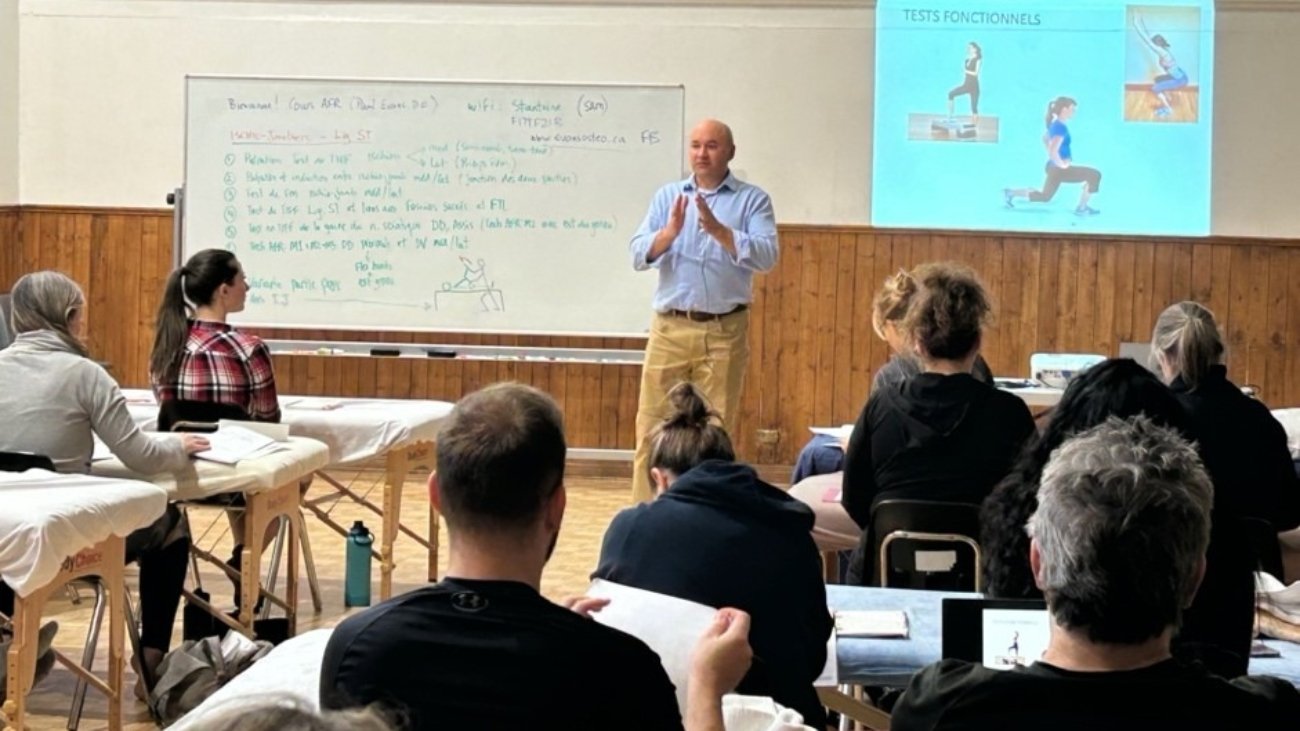
Interest in hands on healthcare careers continues to grow across Ontario. In neighbourhoods like East York, you’ll find wellness clinics offering physiotherapy, chiropractic care, massage therapy, and increasingly, osteopathy. If you’re exploring osteopathy programs Ontario, it helps to understand what these programs actually involve before you enroll.

Osteopathy is centered on the body’s structure and function, focusing on manual techniques to support overall health. But training for this field is detailed and requires serious commitment.

Understanding Osteopathy in Ontario

Before choosing a school, it’s important to understand how osteopathy fits into the broader healthcare landscape.

In Ontario, osteopathy is part of the growing alternative health programs space. While it is not regulated in the same way as some other professions, reputable schools maintain high standards of osteopath education and clinical training.

In areas like East York, many clinics integrate osteopathy with other forms of manual therapy Ontario, creating multidisciplinary environments where practitioners collaborate.

What You’ll Study in Osteopathy Programs

A solid osteopathy training Ontario program blends science based knowledge with hands on skills.

Core Subjects You Can Expect

Most programs include:

  • Anatomy and physiology
  • Biomechanics
  • Palpation and assessment techniques
  • Manual adjustment methods
  • Clinical case studies

Because osteopathy focuses on structure and mobility, a deep understanding of musculoskeletal systems is essential. Programs that offer strong foundational sciences tend to prepare students better for real world practice.

In urban areas like East York, practitioners often treat desk related posture issues, sports injuries, and chronic pain. Your training should reflect those common client concerns.
Hands On Training Is Key

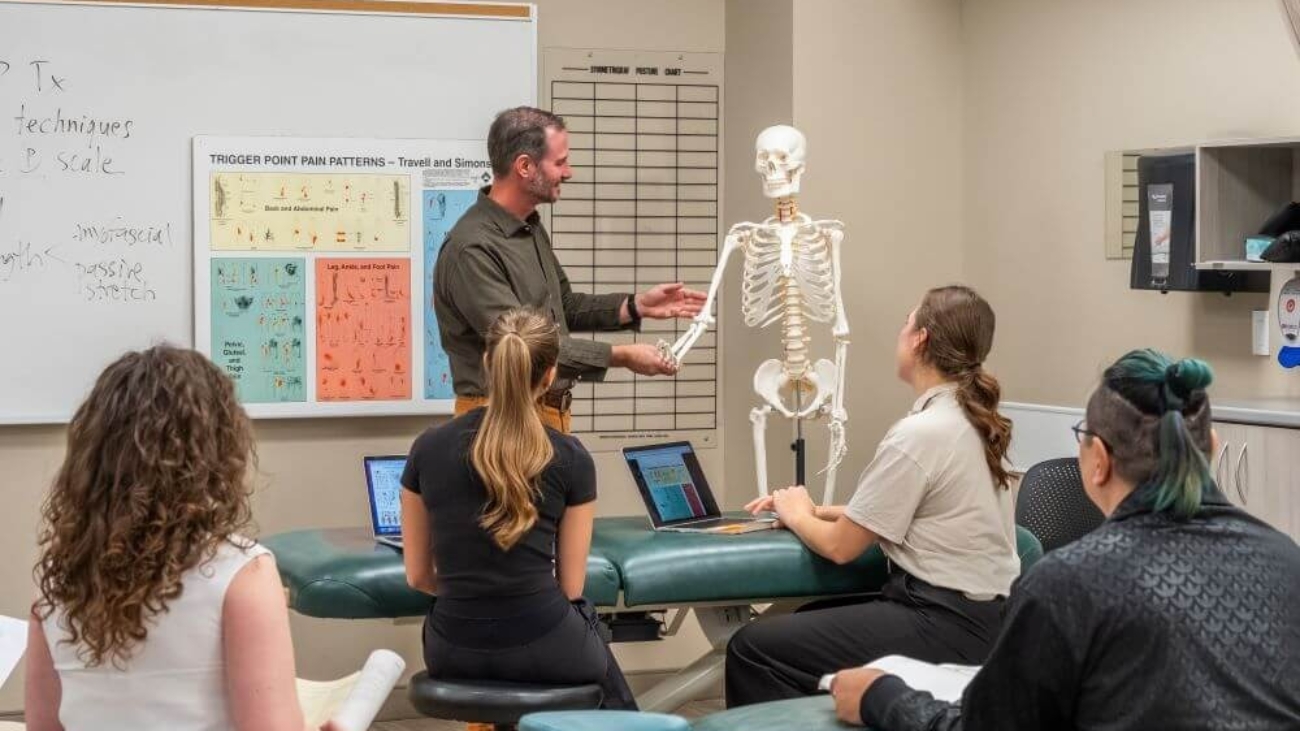
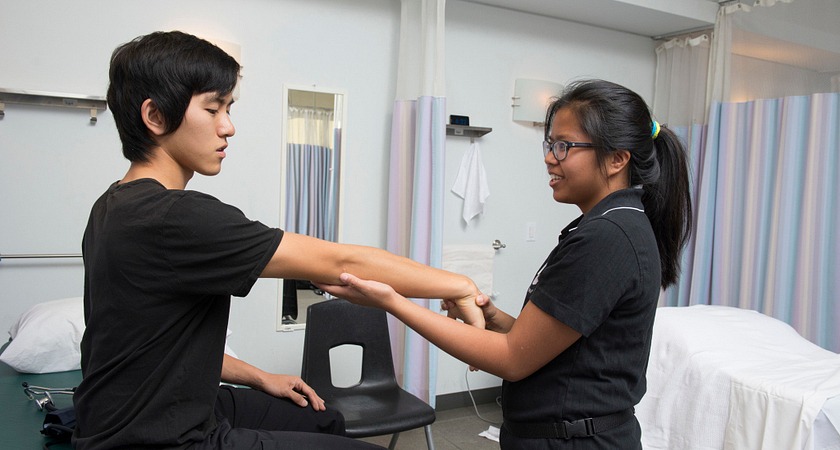
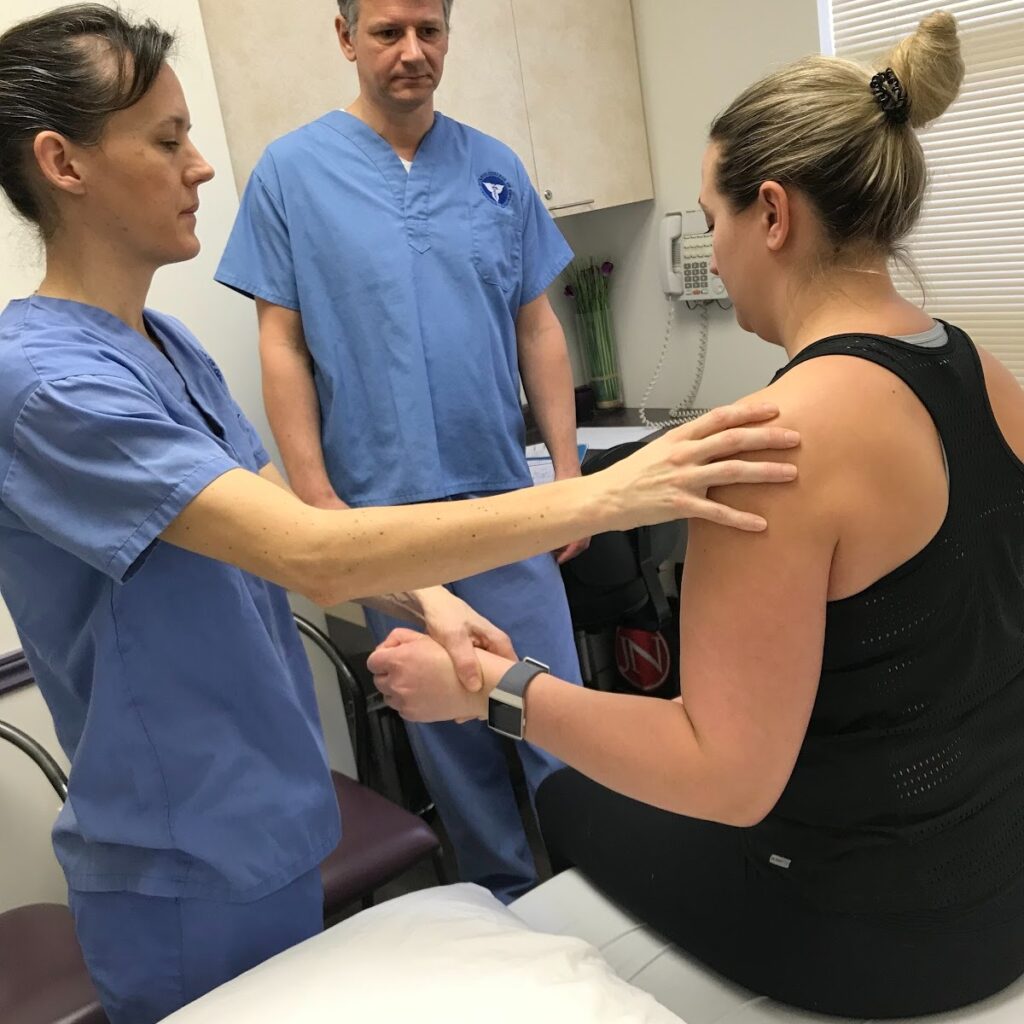
Osteopathy is a hands on profession, so classroom theory alone won’t cut it. Reputable manual therapy schools Ontario emphasize supervised clinical practice.

Look for programs that offer:

  • On site student clinics
  • Supervised client sessions
  • Real patient case exposure

Clinical hours are where you build confidence and refine technique. Strong therapy training Ontario programs ensure you graduate feeling prepared to assess and treat clients safely.

Holistic Approach to Care

Osteopathy often aligns with holistic therapy Ontario principles. Instead of focusing on a single symptom, practitioners assess how different systems of the body interact.

In East York, many wellness clinics market themselves as holistic care centres, combining osteopathy with massage therapy, acupuncture, and nutrition counselling. If you’re drawn to whole body health, osteopathy can fit naturally into that environment.

Certification and Professional Development

Before enrolling, ask how the program supports osteopathy certification Ontario or membership with professional associations. Even though regulation varies, professional affiliation adds credibility and builds client trust.

Strong programs also encourage ongoing learning. Continuing education plays a big role in maintaining a successful osteopathy career Ontario, especially as techniques evolve.

Career Opportunities in Ontario

Graduates of osteopathy programs Ontario have several potential career paths.

You might choose to:

  • Join an established wellness clinic
  • Work in collaboration with physiotherapists or chiropractors
  • Start your own private practice
  • Focus on sports therapy or rehabilitation

In neighbourhoods like East York, small health clinics are common, and many practitioners operate independently or within shared clinic spaces. That flexibility is appealing to many students entering the field.

Things to Consider Before Enrolling

Before committing, review:

  • Total program length
  • Tuition and additional fees
  • Clinical hour requirements
  • Instructor qualifications
  • Class size

Visiting the campus can also give you a sense of the learning environment. A professional, well equipped setting often reflects the seriousness of the program.

Final Thoughts

Choosing among osteopathy programs Ontario is about more than finding the closest campus. It’s about ensuring the program offers solid science education, meaningful clinical experience, and preparation for real world practice.

With growing interest in manual and holistic care across Ontario, including communities like East York, trained practitioners are in demand. By carefully reviewing your options and understanding what to expect, you can select a program that supports your long term goals in this expanding field.
image

What You Need to Know Before Enrolling in Acupuncture Schools in Ontario

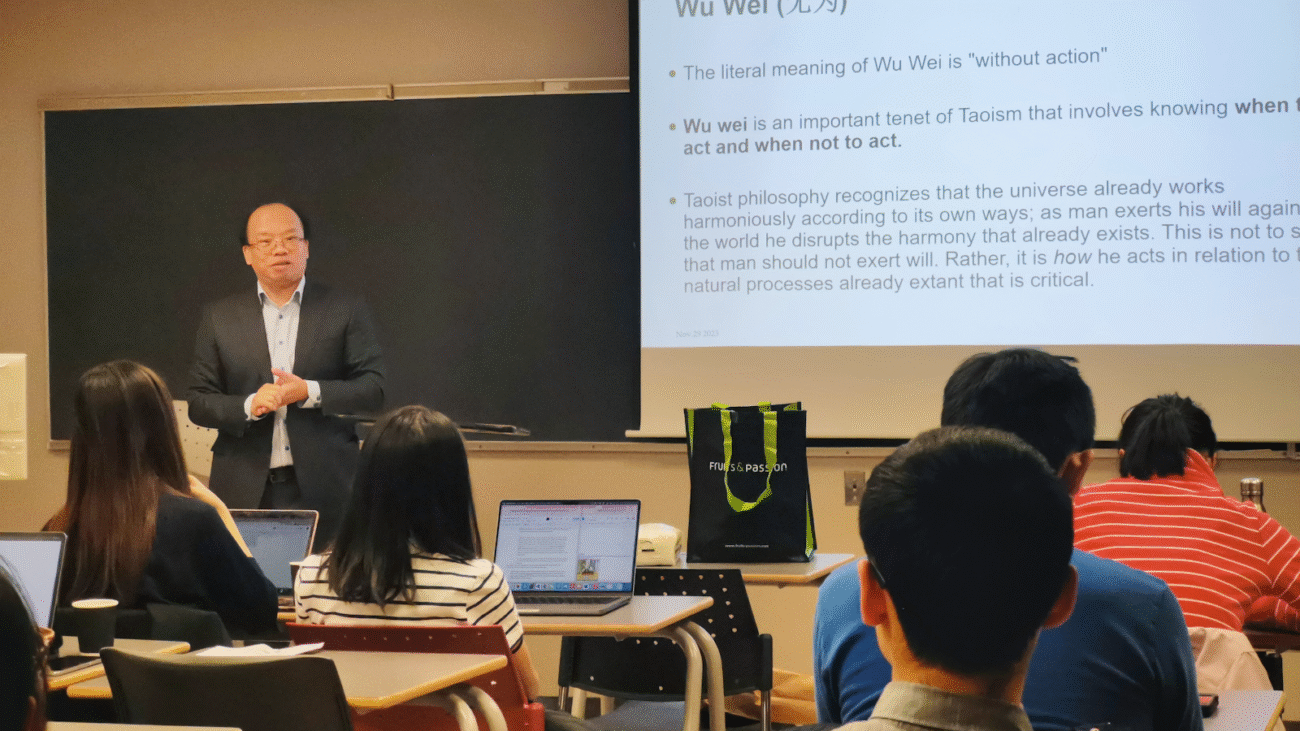
Interest in holistic healthcare continues to grow across Ontario, and communities like East York are no exception. Across East York and surrounding Toronto neighborhoods, you’ll find wellness clinics offering acupuncture, herbal therapy, and other natural treatments. If you’re considering enrolling in acupuncture schools Ontario, there are a few important things you should understand before committing.

Choosing the right program can shape your entire professional journey, so it’s worth taking your time.

Understand How Acupuncture Is Regulated in Ontario

Before applying to any acupuncture course Ontario, learn how the profession is regulated. In Ontario, acupuncture and Traditional Chinese Medicine (TCM) are governed by the College of Traditional Chinese Medicine Practitioners and Acupuncturists of Ontario (CTCMPAO).

That means not every private college automatically qualifies you for registration. A recognized TCM program Ontario must meet specific educational standards and prepare you for provincial exams.

Always confirm:

  • Accreditation status
  • Eligibility for registration exams
  • Total clinical training hours
  • Curriculum details

If a school avoids these questions, that’s a red flag.

Look Closely at the Curriculum

Acupuncture is rooted in oriental medicine Ontario traditions, but modern practice also requires strong clinical understanding.

Core Subjects to Expect

A solid program typically includes:

  • TCM theory and diagnosis
  • Anatomy and physiology
  • Point location and needling techniques
  • Herbal medicine foundations
  • Safety and infection control

In urban areas like East York, many clinics combine acupuncture with physiotherapy or chiropractic services. That means your training should prepare you to work alongside other healthcare professionals.

Programs that balance traditional teachings with practical application tend to prepare students better for real clinic environments.

Clinical Hours Matter More Than You Think

Reading textbooks is one thing. Treating real patients under supervision is another.

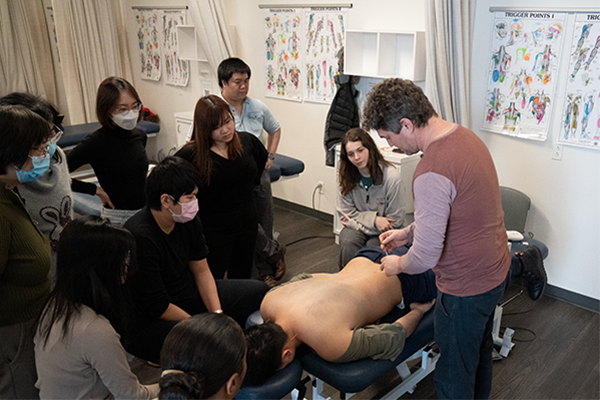
Reputable acupuncture certification Ontario programs include extensive student clinic hours. These supervised sessions help you build confidence, communication skills, and proper technique.

If you plan to practise in busy Toronto neighbourhoods, hands on experience with diverse cases is especially valuable. Patients in East York may seek acupuncture for sports injuries, stress, chronic pain, or fertility support. Exposure to different cases during training gives you a stronger foundation.

Consider Career Goals Early

Before enrolling, think about your long term acupuncture career Ontario plans.

Do you want to:

  • Open a private clinic?
  • Join a multidisciplinary wellness centre?
  • Specialize in women’s health or sports therapy?

Understanding your goals helps you choose a program that aligns with your interests. Some schools emphasize broader holistic medicine Ontario education, while others focus more strictly on acupuncture techniques.

If you’re interested in broader complementary therapy training, look for programs that integrate herbal medicine, cupping, or nutrition education.

Evaluate Campus Environment and Support

Visit the school if possible. Pay attention to:

  • Class size
  • Instructor experience
  • Cleanliness of training rooms
  • Student support services

A supportive learning environment makes a demanding program much more manageable. Smaller classes often allow for better supervision during needling practice.

If you’re commuting from East York, consider travel time. Winter driving and transit delays are part of Ontario life, so location matters more than you might think.

Understand the Investment

Tuition for acupuncture programs can vary significantly. Ask for a clear breakdown of fees, including:

  • Equipment costs
  • Textbooks
  • Exam preparation
  • Licensing exam fees

This helps you budget properly and avoid surprises.

Final Thoughts

Enrolling in acupuncture schools Ontario is a serious commitment, both financially and professionally. With the growing interest in natural health services across Toronto and East York, trained practitioners are in demand, but proper education is key.

Take time to compare programs, confirm accreditation, review clinical hours, and align your choice with your long term goals. A well chosen acupuncture course Ontario can set you up for a rewarding career in one of Ontario’s expanding wellness fields.

image

How to Choose the Registered Massage Therapist (RMT) Program in Ontario

If you’re considering a career in massage therapy, you’re stepping into one of Ontario’s steadily growing healthcare fields. In communities like East York, wellness clinics, chiropractic offices, and rehab centres regularly hire trained professionals. But before you get there, choosing the right registered massage therapist program Ontario is the most important decision you’ll make.

Not all programs are created equal, and a little research now can save you major headaches later.

Understand Ontario’s Licensing Requirements

In Ontario, you cannot practise legally without completing an approved RMT course Ontario and passing certification exams regulated by the College of Massage Therapists of Ontario (CMTO).

Before enrolling, confirm:

  • The program is accredited
  • It meets provincial hour requirements
  • It prepares students for licensing exams
  • It offers proper clinical training

A reputable massage therapy school Ontario will clearly outline this information. If details feel vague, that’s usually a sign to look elsewhere.

Review the Curriculum Carefully

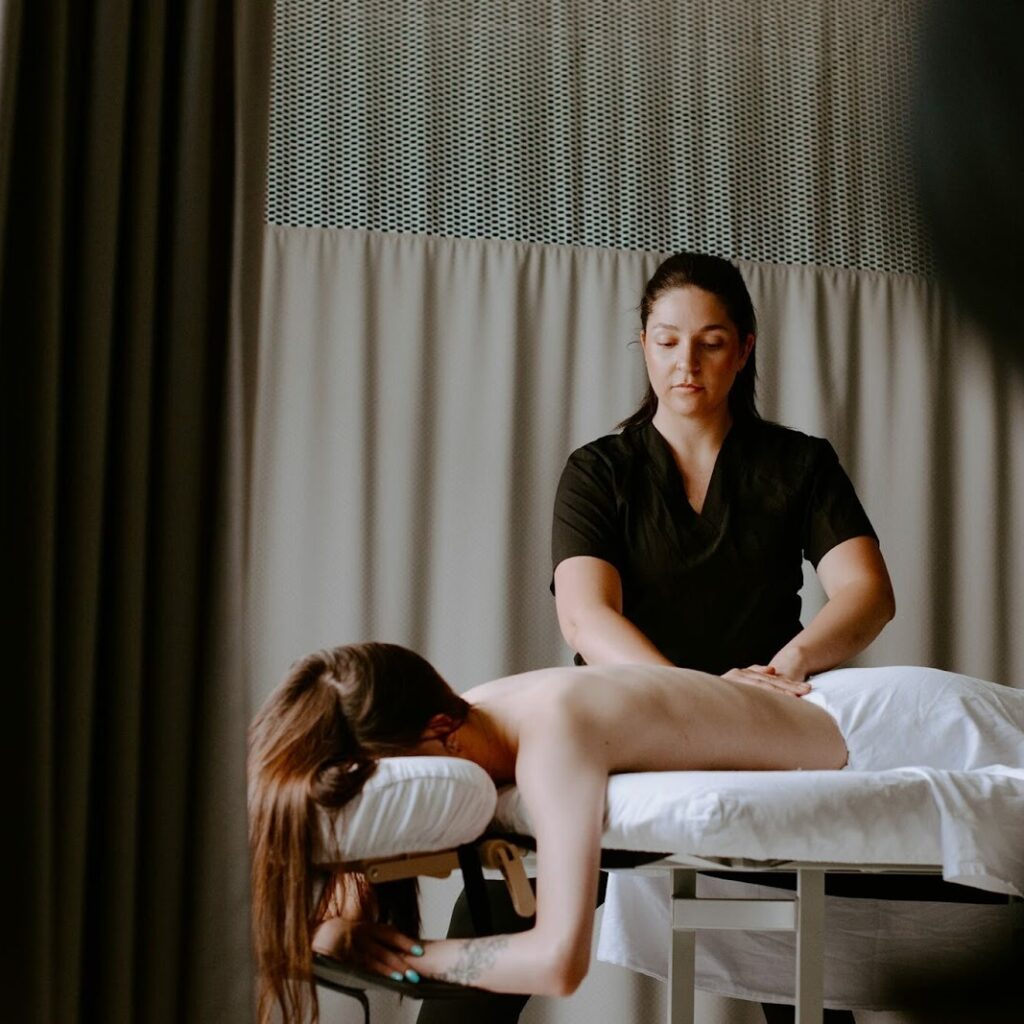
Massage therapy is hands on, but it is also clinical. A strong RMT training Ontario program balances theory and practice.

Core Subjects That Matter

A quality RMT diploma Ontario should include:

  • Anatomy and physiology
  • Pathology
  • Assessment and treatment planning
  • Ethics and professional standards
  • Hands on clinical massage techniques

In areas like East York, therapists regularly treat office workers with posture related pain, athletes with sports injuries, and seniors managing chronic stiffness. A program that includes clinical massage therapy Ontario training ensures you’re prepared for real clients, not just classroom demonstrations.

Look at Clinical Placement Opportunities

This is where your confidence builds. This programs offer structured student clinics or partnerships with local wellness centres.

Ask how many supervised hours are included. Real world exposure helps you develop communication skills, assessment techniques, and professional conduct. It also prepares you for working in multidisciplinary settings, which are common across Toronto and East York.

Strong massage certification Ontario programs emphasize practical learning just as much as textbook knowledge.

Consider Career Support

You’re not just earning a diploma. You’re building a career.

Reputable schools support massage therapy careers Ontario by offering:

  • Resume and interview preparation
  • Business management basics
  • Networking events
  • Job placement guidance

In competitive urban areas, connections matter. Schools with strong industry ties can give you a real advantage.

Evaluate Class Size and Learning Environment

Massage therapy requires supervision and feedback. Smaller class sizes often allow instructors to correct technique properly and provide personalized guidance.

When visiting a campus, pay attention to:

  • Clean treatment rooms
  • Modern equipment
  • Instructor experience
  • Overall professionalism

A positive environment makes a big difference during a demanding program.

Think About Schedule and Location

Many students balance work, family, and school. Some RMT course Ontario options offer evening or weekend classes.

If you’re living in East York or nearby, commuting convenience also matters. Ontario winters are no joke, and a manageable travel distance makes the experience much smoother.

Align the Program With Your Long-Term Goals

Massage therapy fits into the broader wellness program Ontario landscape. Some graduates work in clinics. Others open private practices or specialize in sports therapy or rehabilitation.

Ask yourself:

  • Does this school prepare me for licensing success?
  • Will I feel confident treating real clients?
  • Does the training reflect current industry standards?

Final Thoughts

Choosing the right registered massage therapist program Ontario is about more than tuition fees. It’s about accreditation, clinical experience, instructor quality, and career readiness.

In communities like East York, demand for qualified RMTs continues to grow. By comparing your options carefully and asking the right questions, you can choose a program that sets you up for long term success in Ontario’s expanding massage therapy field.