
Future-Proof Careers in an Uncertain World: Why Human-Centered Healthcare May Be One of the Smartest Career Choices Today
Not long ago, the formula for career success seemed straightforward.
Earn a degree. Build digital skills. Find a stable office job. Climb the ladder.
For many people, that path worked well for years.
Today, however, the world of work is changing at a pace few could have predicted.
Artificial intelligence is transforming industries. Automation continues to streamline tasks that once required entire teams. Companies are reorganizing, restructuring, and adapting to new technologies faster than ever before.
As a result, many students and working professionals are asking an important question:
What careers will remain valuable in the decades ahead?
While no profession is completely immune to change, some careers possess qualities that make them remarkably resilient. These careers are built around human connection, hands-on expertise, and services that people will continue to need regardless of technological advances.
Healthcare and wellness professions stand out as some of the strongest examples.
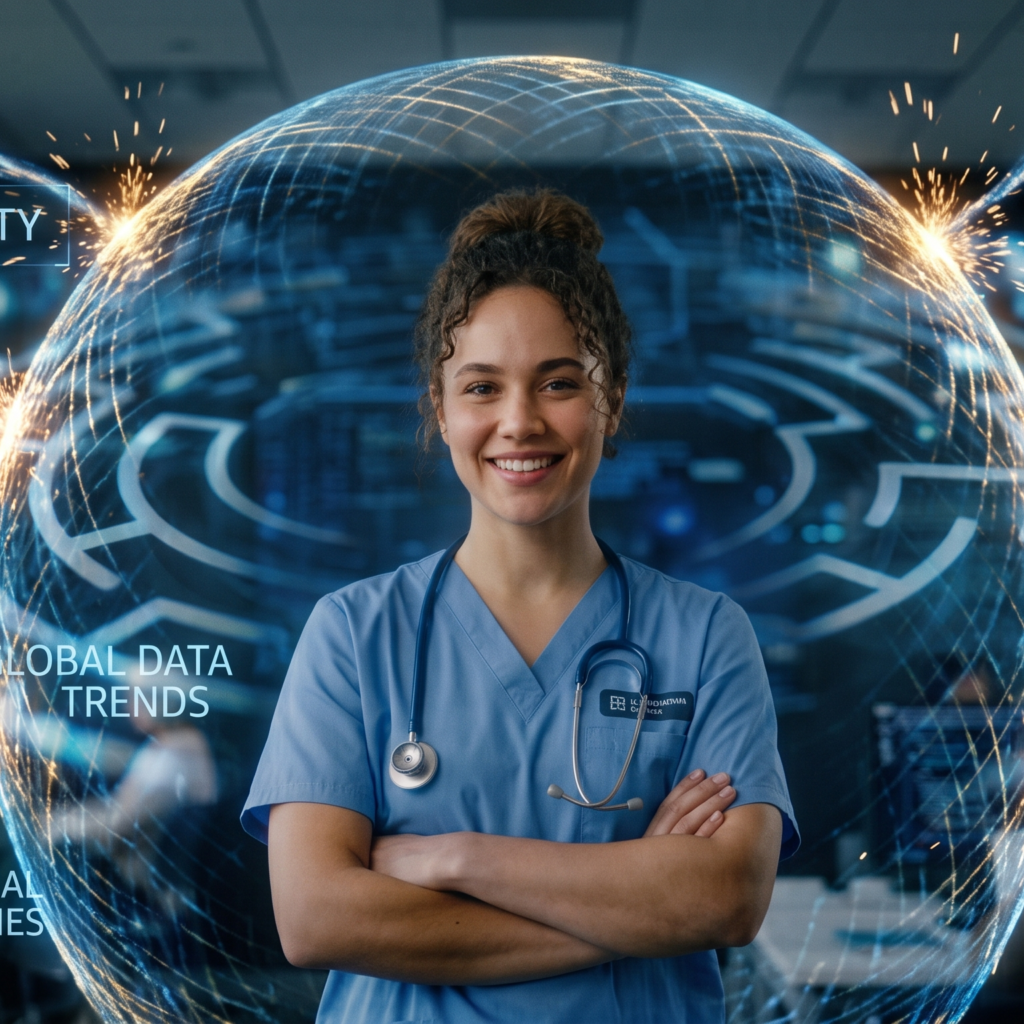
The Future Belongs to Skills That Technology Cannot Easily Replicate
Technology is incredibly powerful.
It can process information, automate workflows, generate reports, and analyze vast amounts of data in seconds.
What it cannot do is replace genuine human care.
When someone is recovering from an injury, managing chronic pain, dealing with physical stress, or looking to improve their quality of life, they are not simply seeking information. They are seeking professional guidance, personalized treatment, and human understanding.
This distinction matters.
As technology becomes increasingly capable of handling routine tasks, the value of professions centered on direct human interaction may continue to grow.
The future of work is not necessarily about competing with technology. It is about developing skills that complement it.
Why Healthcare and Wellness Careers Continue to Stay Future-Proof
Healthcare has always been about people.
Regardless of economic cycles, market fluctuations, or technological innovation, people will continue to need support for their physical and mental well-being.
Canada’s population is aging. More individuals are prioritizing preventive care. Awareness surrounding wellness, mobility, rehabilitation, and long-term health continues to increase.
These trends are creating opportunities for healthcare professionals whose expertise helps people live healthier, more active lives.
Unlike many professions that can be performed entirely through a screen, healthcare and wellness careers often require direct interaction, physical assessment, and individualized treatment.
Every patient presents a unique situation. Every treatment plan requires professional judgment.
That human element remains at the center of effective care.
A Career That Creates Visible Impact
One of the most overlooked aspects of career satisfaction is the ability to see the impact of your work.
Many professionals spend years producing reports, attending meetings, or contributing to projects without ever witnessing the direct result of their efforts.
Healthcare is different.
Whether helping someone manage pain, recover mobility after an injury, reduce stress, or improve overall well-being, healthcare professionals often see the results of their work firsthand.
That sense of purpose is one reason many people are exploring healthcare-focused career paths, even after spending years in other industries.
For some, career success is no longer defined solely by salary or job title. Increasingly, people are seeking careers that combine professional stability with meaningful contribution.
Registered Massage Therapy: Combining Science, Skill, and Patient Care
Registered Massage Therapy continues to be one amongst several recognized healthcare and wellness professions in Canada.
Massage therapists work with individuals experiencing a wide range of concerns, from sports injuries and workplace strain to chronic pain and rehabilitation needs.
The profession combines clinical knowledge with hands-on treatment skills and strong patient relationships.
Every client brings a different story, a different challenge, and a different goal.
That combination of technical expertise and human interaction is precisely what makes the profession both rewarding and adaptable in a changing economy.
Manual Osteopathy: A Growing Interest in Whole-Body Wellness
As more people seek holistic approaches to health and wellness, interest in Manual Osteopathy continues to grow.
Practitioners focus on understanding how the body’s structure influences movement, function, and overall well-being.
The profession requires critical thinking, observation, assessment skills, and hands-on treatment techniques that are tailored to each individual.
In an era where many services are becoming increasingly standardized, personalized care remains one of healthcare’s greatest strengths.
Acupuncture: An Ancient Practice in a Modern Healthcare Landscape
Healthcare is evolving, but patients are also becoming more open to diverse approaches to wellness.
Acupuncture has gained increasing recognition as part of a broader movement toward integrative healthcare.
Practitioners help patients address concerns related to pain, recovery, stress management, and overall wellness through individualized treatment plans.
Like many healthcare professions, success depends on much more than technical knowledge alone. Building trust, understanding patient needs, and creating a positive care experience are all essential components of effective practice.
Preparing for a Career in Healthcare
For students considering healthcare careers, a strong educational foundation can open the door to a wide range of opportunities.
Programs that focus on anatomy, physiology, patient care, clinical skills, and professional development provide students with knowledge that remains relevant regardless of how technology evolves.
What is unlikely to change is the need for compassionate, skilled individuals who can apply that knowledge to improve the lives of others.
Building a Career for the Long Term
Predicting the future is impossible.
Twenty years ago, few people anticipated the technologies that shape our lives today. Twenty years from now, the workplace will undoubtedly look different again.
Yet some needs remain remarkably consistent.
People will continue to seek relief from pain. They will continue to recover from injuries. They will continue to prioritize health, mobility, and quality of life.
Careers built around supporting those needs are not simply responding to a trend—they are responding to something fundamentally human.
For students and career changers looking toward the future, healthcare and wellness professions offer something increasingly valuable: the opportunity to build practical skills, make a meaningful difference, and develop a career rooted in expertise that people will continue to need for years to come.