launching your wellness business RMT acupuncturist

Launching Your Own Wellness Business: From RMT or Acupuncturist to Clinic Owner

Starting your own clinic is a dream for many Registered Massage Therapists and Acupuncturists. Whether you imagine a calm treatment space or a multi-room clinic with a busy client flow, everything begins with planning, confidence, and understanding how launching your wellness business RMT acupuncturist truly works. With the wellness industry growing quickly in Ontario, now is one of the times to begin this exciting path. Many students at Ruhani College often ask how they can move from student life to clinic ownership, so this guide makes the journey easier to understand.

Building the Right Vision for Your Future Clinic

The first step in launching your wellness business, RMT acupuncturist is having a clear vision. You need to think about what kind of space you want, what type of clients you want to serve, and what services you will offer. Without a vision, it becomes difficult to make good decisions. A clear direction helps you take steady steps and reduces the stress of starting a business.

Some students planning their future also look at other study paths, such as early childhood education course in Ontario, which shows how different fields require similar long-term planning and commitment.

Understanding Business Setup Basics

Before opening a clinic, you must understand business setup for RMTs. This stage includes choosing a name, selecting a business structure, applying for any licences, and learning about insurance. These tasks may feel confusing at first, but they are essential parts of launching your wellness business RMT and acupuncturist. Acupuncturists often follow an acupuncturist private practice guide, while RMTs follow CMTO regulations. Starting properly saves you time, money, and future problems.

Following Legal and Licensing Requirements

Once the foundation is planned, the next step in launching your wellness business RMT acupuncturist is handling legal and licensing RMT clinic Ontario requirements. These rules include zoning, health standards, municipal permits, and clinical safety expectations. Acupuncturists must also follow regulations from their college. Staying compliant avoids penalties and builds trust with clients.

Some owners stay informed about related wellness fields like osteopathy for chronic pain Ontario, because clients often ask how different therapies work together.

Designing a Comfortable and Professional Clinic Space

Clinic design wellness practice planning plays a major role in shaping your brand. Your space should feel clean, calm, and welcoming. Clients judge a clinic by atmosphere as much as by service quality. A good design improves comfort and supports the professional image you want to build. This is why creating a strong environment is another key part of launching your wellness business, RMT acupuncturist. Thoughtful design also helps clients relax and trust your care.

Marketing Your Clinic for Visibility and Success

Marketing for wellness clinic setups helps you get your first clients and build steady growth. You can use social media, referral programs, Google Business Profile, community events, and simple educational posts. Each effort helps your name reach more people. Strong marketing is essential in launching your wellness business RMT acupuncturist, because clients need to know you exist before they can book an appointment.

Educational content also helps when clients search for services like osteopathy for chronic pain Ontario, massage therapy, acupuncture, and pain relief treatment.

Building a Strong Client Base and Good Relationships

Client acquisition RMT/acu strategies include offering introductory packages, loyalty rewards, or community workshops. These help you build your first client base. Good communication, empathy, and consistent service quality keep clients returning. Building trust is a powerful part of launching your wellness business RMT acupuncturist because a strong client base supports long-term stability.

Some professionals also study topics like ECA course in Ontario, since understanding people and communication helps in every client-centered field.

Managing Your Wellness Team as You Grow

Once your clinic grows, managing a wellness team becomes part of daily operations. You might hire additional RMTs, acupuncturists, or front-desk staff. Leadership skills help your clinic stay organized and positive. Managing people requires patience, communication, and clear expectations. This is an important step in launching your wellness business RMT acupuncturist, especially as demand increases.

Managing Finances with Confidence

Financial management wellness business skills help you maintain stability. You need to organize expenses, manage treatment pricing, track appointments, and plan for taxes. Strong financial habits protect your business and help you focus on client care. Understanding finances is a major part of launching your wellness business RMT acupuncturist, because good money management builds long-term sustainability.

Planning for Future Growth

Growth strategies RMT help you expand your clinic over time. You can add new services, partner with other therapists, introduce workshops, or create wellness packages. Growth allows you to reach new communities and strengthens your brand. This stage becomes exciting for anyone launching your wellness business RMT acupuncturist, because it turns your small clinic into a larger, more stable practice.

Creating Your Post-Graduation Business Path

Many future RMTs and acupuncturists think about business even before finishing school. Post-graduation business path wellness planning helps you feel ready once you become licensed. Making a plan during school makes launching your wellness business RMT acupuncturist easier because you already understand what steps to take after graduation.

Schools like Ruhani College support students who want to move into business, helping them gain practical and professional confidence.

Final Thoughts: Turning Your Business Dream Into Reality

Owning a wellness clinic is a rewarding goal for any RMT or acupuncturist. When you learn the correct steps, launching your wellness business RMT acupuncturist becomes an achievable and exciting journey. From legal setup to marketing, client building, finances, and long-term growth, every part plays a role in shaping your success, and guidance from institutions like Ruhani College can make this path even clearer.

If you dream of creating a space where clients feel better, heal faster, and trust your care, then your journey toward clinic ownership can begin today.

skills RMT student should master

Skills RMT Students Must Master Before Starting Clinical Practice

Becoming a successful Registered Massage Therapist takes more than learning techniques. It requires confidence, understanding, real-world practice, and emotional readiness. This is why there are certain skills RMT student should master long before stepping into a clinic or writing the licensing exam. As students progress through their training at colleges like Ruhani College, each skill becomes a stepping stone toward working professionally in Ontario’s massage therapy industry.

Below are the ten skills RMT student should master to feel fully prepared for graduation and confident to start their career.

Strong Knowledge of Human Anatomy

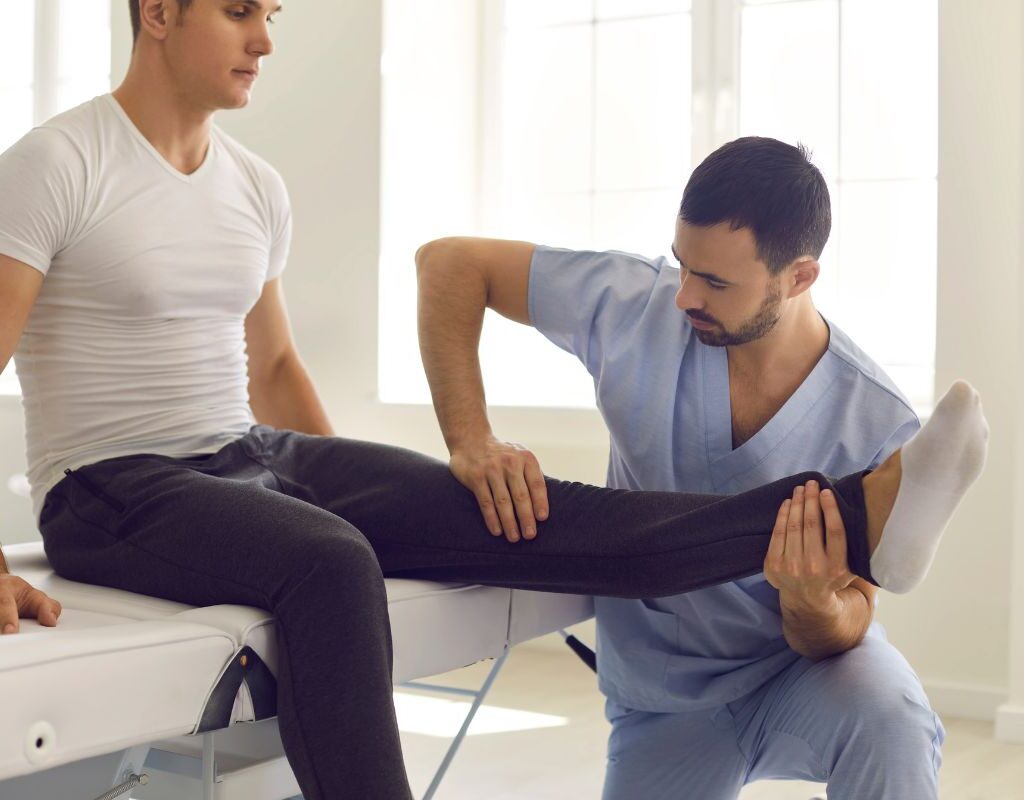
Understanding anatomy for RMTs is the first major skill. Knowing where muscles attach, how joints move, and how nerves function helps therapists make safe clinical decisions. This is one of the key skills RMT student should master because every treatment is based on anatomical understanding. Anatomy also supports real assessment work, injury understanding, and proper pressure application.

Some students who explore body-based careers also research topics like Osteopathic Manual Practice Ontario, which helps them see how different manual therapy fields approach human anatomy.

Client Assessment and Interviewing Skills

Knowing how to assess clients sets the foundation for treatment planning. This makes client assessment RMT abilities one of the most important skills RMT student should master. Written assessments, movement testing, palpation, and client history discussions help therapists identify concerns and create safe plans. These skills also support long-term relationships with clients because good assessment builds trust.

Good assessment habits also help students when exploring complementary fields such as acupuncture career in Ontario, where clear evaluation is equally important.

Deep Tissue and Trigger Point Techniques

Every student must practice deep tissue and trigger point techniques until they feel comfortable, confident, and consistent. These techniques are part of the essential skills RMT student should master because most clients request pain relief, tension release, and mobility improvement. Deep tissue techniques also help students understand pressure control, body mechanics, and safe application.

Sports Massage Techniques and Movement Knowledge

Sports massage skills RMT training teaches students how to work with athletes, active clients, and injury recovery patients. This is another major skill set that contributes to the overall skills RMT student should master. Sports massage involves faster movements, stretching, deeper pressure, and pre-event or post-event routines. Even students who do not plan to work with athletes benefit from this training because it sharpens technique and boosts confidence.

Clinical Practice Habits and Professional Behaviour

Clinical practice RMT training helps students understand time management, creating treatment plans, draping, note-taking, and maintaining a professional environment. This forms part of the day-to-day skills RMT student should master to operate smoothly in real clinics. It also prepares them for working with different personalities, scheduling systems, and workplace expectations.

Students who want to expand future opportunities sometimes look at programs like Osteopath training programs in Ontario, which also value professionalism and patient-centered care.

Understanding Ethics and Professional Boundaries

Ethics in massage therapy is one of the most essential skills RMT student should master. It teaches students how to handle sensitive situations, protect client confidentiality, communicate with honesty, and maintain safe boundaries. Clients trust RMTs with their bodies, emotions, and personal information. Ethical behaviour is necessary to keep that trust strong throughout a therapist’s career.

Business Skills for Long-Term Career Success

Business skills for RMTs often get overlooked, but they play a big role in career growth. Many therapists eventually open private practices, join wellness centers, or work as independent contractors. Understanding pricing, marketing, scheduling, and client communication is therefore another important part of the skills RMT student should master.

A therapist who understands business basics can build a stable and successful future, whether they work in a clinic or operate independently.

Preparing for the RMT Licensing Exam

RMT exam preparation teaches students how to organize their knowledge, practice case studies, write assessments, and stay calm under pressure. Since the exam includes both written and practical components, this becomes a crucial part of the skills RMT student should master before graduation. Students who prepare well often feel more confident stepping into their new professional roles.

Some students also take additional training to widen their career, such as exploring acupuncture career in Ontario, which also involves exam-based qualifications.

Real-World Massage Therapy Skills and Adaptability

Real-world massage therapy skills include adjusting to clients’ needs, modifying pressure, personalizing treatments, and remaining calm during unexpected situations. This is one of the most realistic skills RMT student should master because no two clients are ever the same. Flexibility and awareness make a therapist more effective and more trusted by clients.

A Complete RMT Student Skills Checklist for Job Readiness

By the time students graduate, they should feel fully prepared to begin their real work journey. This makes RMT job readiness an essential part of the overall skills RMT student should master. Some of the key items on an RMT student skills checklist include:

  • Strong anatomical understanding
  • Effective interviewing and assessment
  • Effective deep tissue and trigger point skills
  • Sports massage knowledge
  • Safe and confident clinical habits
  • Ethical decision-making
  • Professional communication
  • Business understanding
  • Exam preparedness
  • Confidence working with real clients

These items summarize what every RMT graduate needs before entering the field.

Final Thoughts: Learning the Right Skills Builds a Strong Future

Mastering these skills helps students grow from beginners to confident professionals. Schools like Ruhani College guide students step by step so each learner feels supported, informed, and ready for the real world. When all ten skills RMT student should master come together, graduates feel prepared for both clinical practice and long-term career success in Ontario.

With the right training, mindset, and support, every student can become a skilled therapist who makes a positive difference in the wellness community.


WhatsApp Image 2025-12-16 at 5.57.15 PM

How RMT Training Prepares You for Real-World Clinical Practice

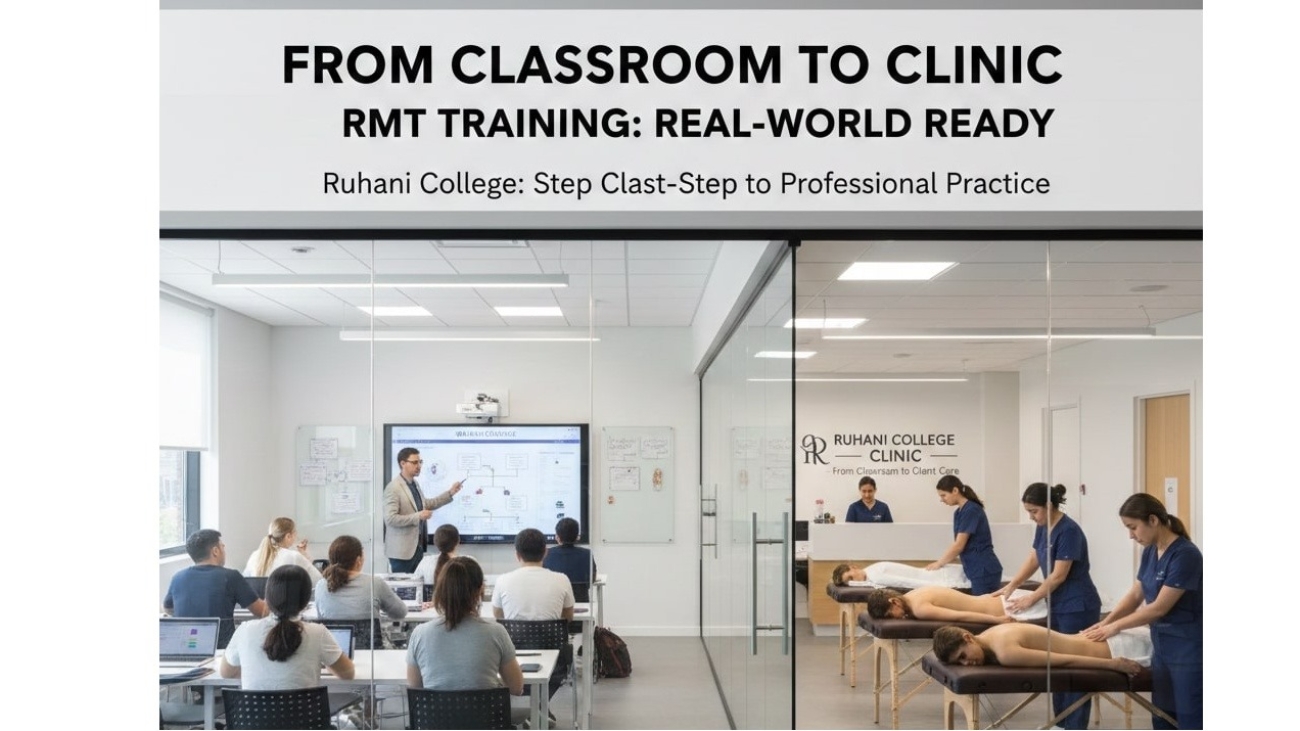
Starting the journey to become a Registered Massage Therapist is exciting but also filled with questions. Students often wonder how their classes, assignments, and labs translate into real clinical situations. This is where strong and structured training truly matters. A quality program ensures that RMT training prepares for practice in a smooth, confident, and meaningful way. At Ruhani College, the learning experience is built step by step, so every student transitions from understanding basics to handling real clients with professional care.

Classroom Learning Builds a Strong Foundation

Every successful RMT career begins in the classroom. This is the first place where RMT training prepares for practice by helping students learn human anatomy, physiology, and the fundamentals of hands-on techniques. Subjects like assessment, treatment planning, and professional communication all play a role in shaping your early RMT skill set.

In this stage, students explore how the human body works and how massage therapy affects muscles, soft tissues, and overall wellness. This is also where learners are introduced to the concept of clinical judgment, an important skill that grows throughout the program. Classroom learning is not only theory-based; it includes visual tools, practice sessions, and structured feedback to ensure RMT training prepares for practice through real understanding, not memorization.

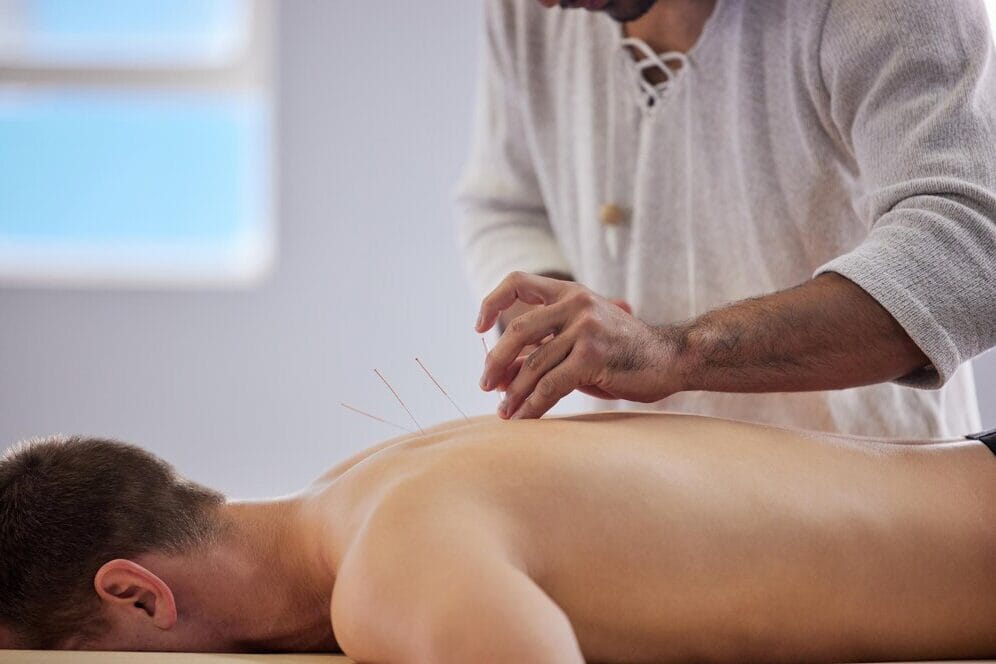
Some programs also discuss acupuncture and complementary therapies. For example, if someone is researching acupuncture schools in ontario, they often discover how different healing practices work together inside the wellness industry.

Hands-On Lab Experience Strengthens Practical Skills

Labs are where theory becomes touch. This is where students truly feel how RMT training prepares for practice. In these labs, instructors show live demonstrations and students work with classmates to learn proper technique, pressure control, patient comfort, and treatment flow.

This step is very important for building an effective RMT skill set. Students learn everything from basic Swedish massage techniques to advanced therapeutic approaches. They also develop confidence through repetition, guidance, and consistent correction.

Hands-on lab training also teaches professionalism such as timing, draping, hygiene, safety, and client interaction. These small but essential habits are the foundation of real-world success. Again, this is one of the strongest ways that RMT training prepares for practice, helping students think, act, and behave like future professionals.

Pathology and Assessment Improves Clinical Reasoning

Understanding why behind each treatment is as important as knowing how to do it. Courses like pathology for RMTs guide students through common conditions that clients may experience, such as injuries, chronic pain, or stress-related issues.

By learning these subjects, RMT training prepares for practice through deeper decision-making. Students develop the ability to assess symptoms, identify possible risks, and choose safe treatment methods. This knowledge becomes very useful when students begin working in a training clinic or during an RMT internship.

This is also where students connect their education with larger healthcare practices. Some may even explore additional interests like Acupuncture Certification in Ontario to understand how different modalities support patient healing.

Acupuncture Certification in Ontario


Student Clinics Offer Real Client Interaction

One of the strongest ways RMT training prepares for practice is through supervised student clinics. This is where learners shift from practicing on classmates to working with real paying clients. Here, students experience creating treatment plans, interviewing clients, assessing posture and movement, managing appointment times, writing clinical notes, and receiving feedback from instructors.

This environment is designed to reflect a true RMT in Ontario working environment. Student clinics expose learners to different client needs including athletes, seniors, office workers, recovery patients, and more. This direct exposure makes the idea of real practice far less intimidating and much more familiar.

During clinic shifts, many students fully realize how RMT training prepares for practice because every experience feels like a small step toward their future professional role.

Internship Placement Prepares You for Real Working Conditions

After gaining confidence inside the student clinic, the RMT internship takes learning to the next level. This is usually a turning point because RMT training prepares for practice in a real workplace where students become part of a professional team.

Internship settings often include rehabilitation clinics, wellness centers, chiropractic offices, multidisciplinary therapy centers, and community healthcare programs. Here, students work under licensed therapists and gain insight into daily RMT job roles. They learn how to manage busy schedules, handle different treatment requests, communicate with healthcare teams, and adapt to different client personalities.

This is also where many students first feel the responsibility of being a private practice RMT or part of the broader wellness industry RMT workforce.

Preparing for a Massage Therapy Career in Today’s Market

Today, the massage therapy career path is filled with new opportunities. Hundreds of clients seek safe, trusted, and skilled professionals every day. Because of this demand, strong training is more important than ever.

This is why the focus keyword matters. RMT training prepares for practice only when the program is designed to match real-world expectations, employer needs, and current industry trends.

Many students also explore additional growth pathways such as massage therapy career in Ontario, sports rehab, pain management, and complementary treatments. This makes their skill set stronger and opens more job possibilities.

RMT Student Tips for a Successful Transition to Practice

Here are some simple and practical tips to make the shift smoother.

  • Take notes during every clinic experience. They become valuable later.
  • Ask questions boldly. Instructors are there to help.
  • Practice techniques often. Good hands come from repetition.
  • Stay organized with treatment notes. It becomes a habit for real work.
  • Learn client communication early. It shapes your confidence.

All of these support how RMT training prepares for practice, one skill at a time.

Final Thoughts: Your Journey Starts with the Right School

A successful RMT journey depends on how well your training builds practical confidence. From classroom learning to hands-on labs, student clinics, and internships, every step plays a role in shaping a strong therapist.

When you choose a program like the ones offered at Ruhani College, you are not just selecting an education. You are choosing a guided path where RMT training prepares for practice at every stage. With the right foundation, you can step into your new career with the confidence, professionalism, and skills needed to thrive in Ontario’s growing wellness industry.

If you’re ready to begin or advance your massage therapy career in Ontario, your future starts with choosing the right learning environment today.