WhatsApp Image 2025-12-16 at 5.57.15 PM

How RMT Training Prepares You for Real-World Clinical Practice

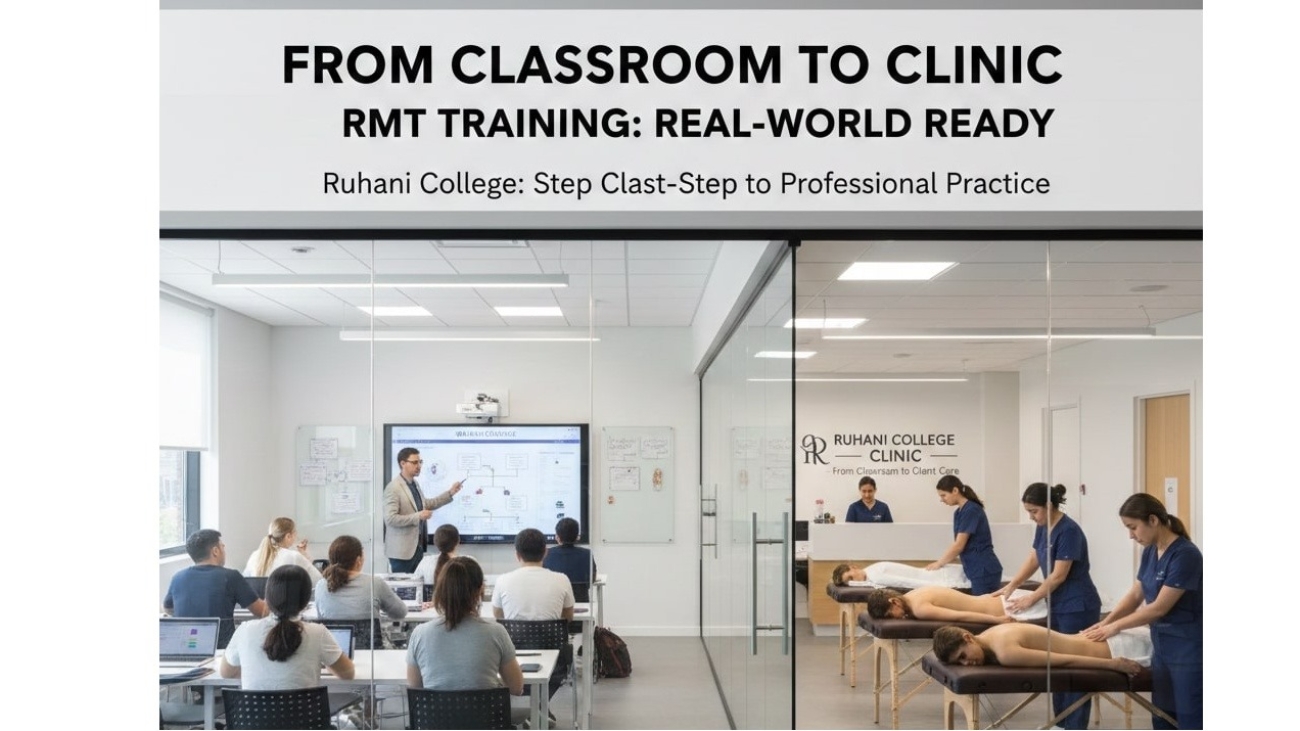
Starting the journey to become a Registered Massage Therapist is exciting but also filled with questions. Students often wonder how their classes, assignments, and labs translate into real clinical situations. This is where strong and structured training truly matters. A quality program ensures that RMT training prepares for practice in a smooth, confident, and meaningful way. At Ruhani College, the learning experience is built step by step, so every student transitions from understanding basics to handling real clients with professional care.

Classroom Learning Builds a Strong Foundation

Every successful RMT career begins in the classroom. This is the first place where RMT training prepares for practice by helping students learn human anatomy, physiology, and the fundamentals of hands-on techniques. Subjects like assessment, treatment planning, and professional communication all play a role in shaping your early RMT skill set.

In this stage, students explore how the human body works and how massage therapy affects muscles, soft tissues, and overall wellness. This is also where learners are introduced to the concept of clinical judgment, an important skill that grows throughout the program. Classroom learning is not only theory-based; it includes visual tools, practice sessions, and structured feedback to ensure RMT training prepares for practice through real understanding, not memorization.

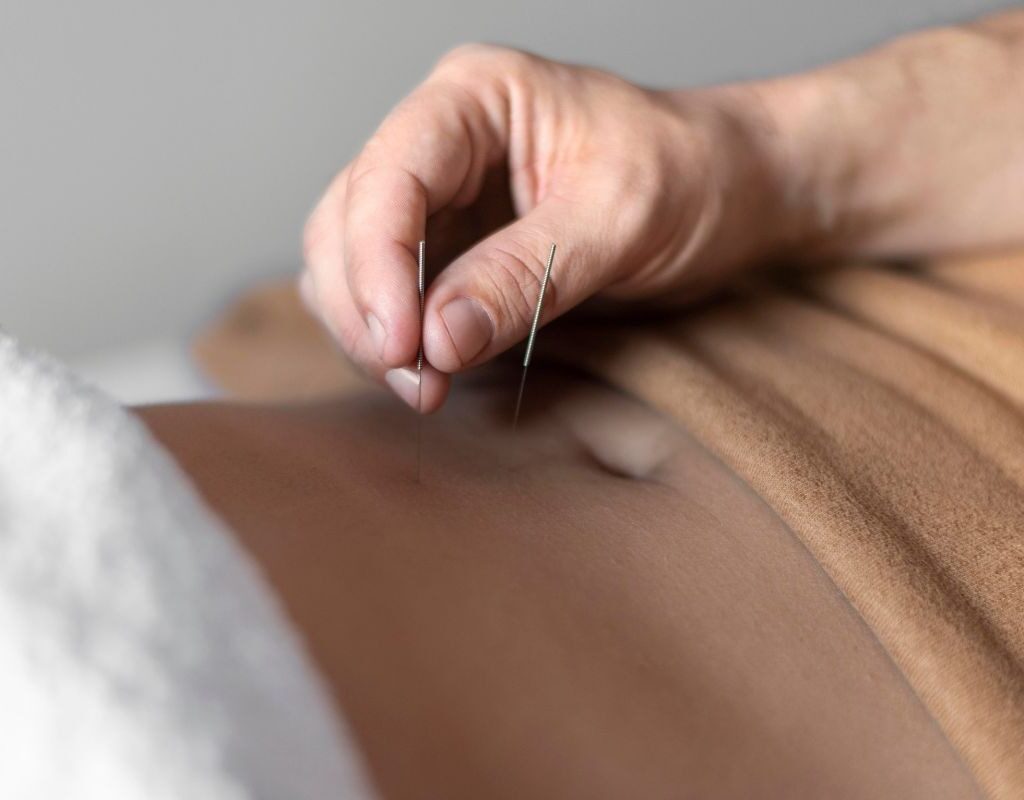
Some programs also discuss acupuncture and complementary therapies. For example, if someone is researching best acupuncture schools in ontario, they often discover how different healing practices work together inside the wellness industry.

Hands-On Lab Experience Strengthens Practical Skills

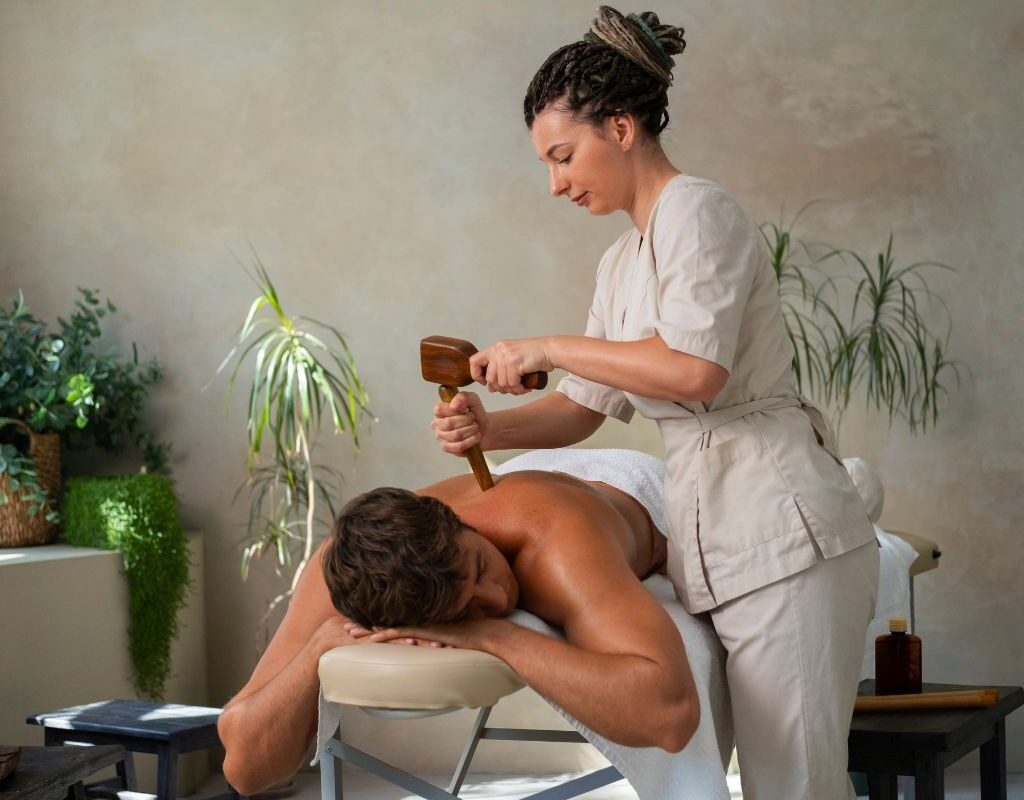
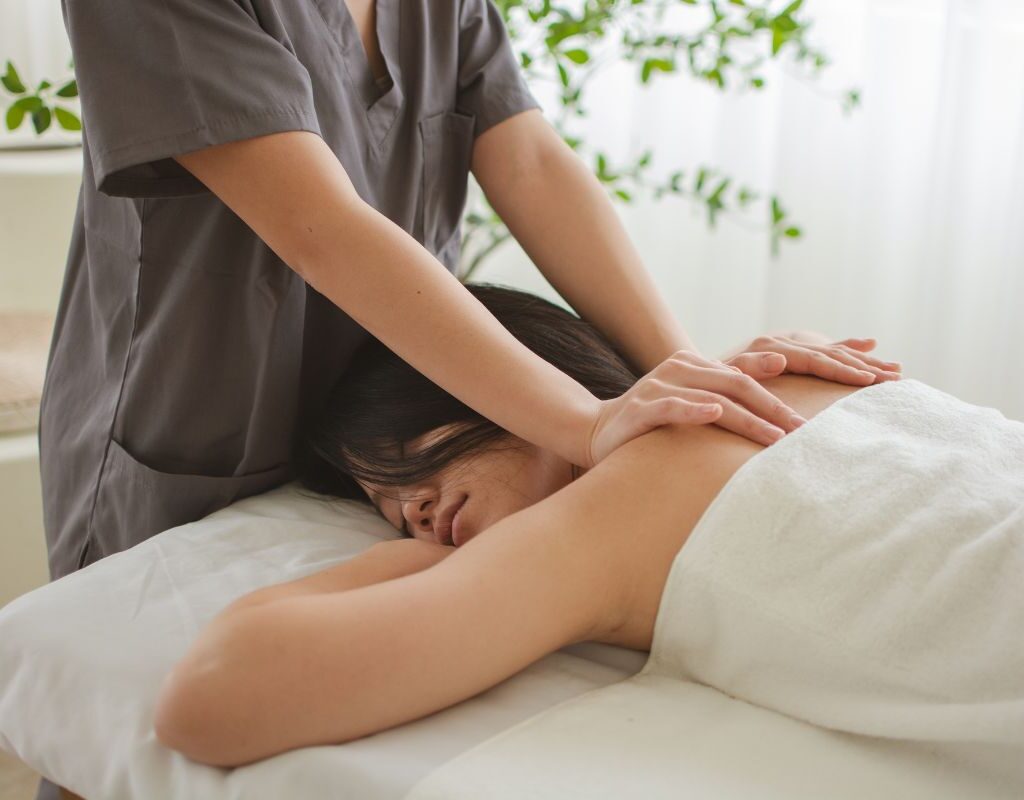
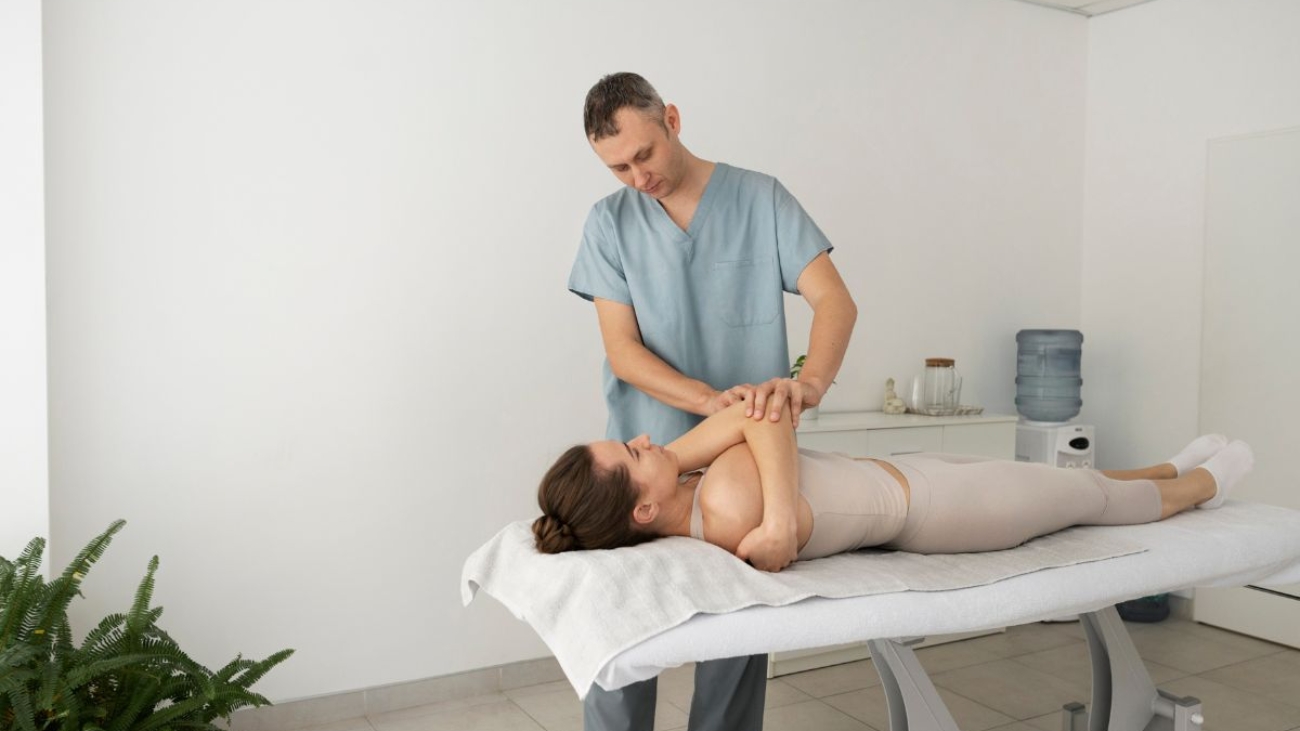
Labs are where theory becomes touch. This is where students truly feel how RMT training prepares for practice. In these labs, instructors show live demonstrations and students work with classmates to learn proper technique, pressure control, patient comfort, and treatment flow.

This step is very important for building an effective RMT skill set. Students learn everything from basic Swedish massage techniques to advanced therapeutic approaches. They also develop confidence through repetition, guidance, and consistent correction.

Hands-on lab training also teaches professionalism such as timing, draping, hygiene, safety, and client interaction. These small but essential habits are the foundation of real-world success. Again, this is one of the strongest ways that RMT training prepares for practice, helping students think, act, and behave like future professionals.

Pathology and Assessment Improves Clinical Reasoning

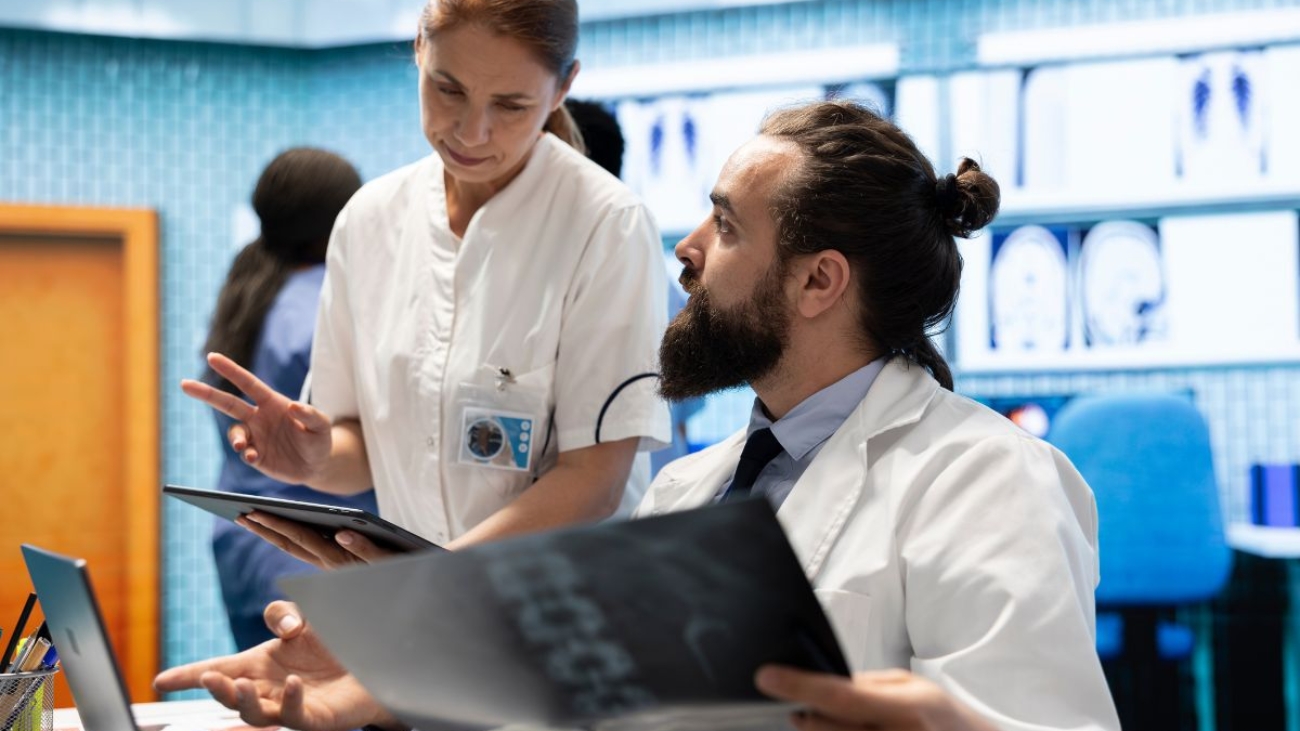
Understanding why behind each treatment is as important as knowing how to do it. Courses like pathology for RMTs guide students through common conditions that clients may experience, such as injuries, chronic pain, or stress-related issues.

By learning these subjects, RMT training prepares for practice through deeper decision-making. Students develop the ability to assess symptoms, identify possible risks, and choose safe treatment methods. This knowledge becomes very useful when students begin working in a training clinic or during an RMT internship.

This is also where students connect their education with larger healthcare practices. Some may even explore additional interests like Acupuncture Certification in Ontario to understand how different modalities support patient healing.

Acupuncture Certification in Ontario


Student Clinics Offer Real Client Interaction

One of the strongest ways RMT training prepares for practice is through supervised student clinics. This is where learners shift from practicing on classmates to working with real paying clients. Here, students experience creating treatment plans, interviewing clients, assessing posture and movement, managing appointment times, writing clinical notes, and receiving feedback from instructors.

This environment is designed to reflect a true RMT in Ontario working environment. Student clinics expose learners to different client needs including athletes, seniors, office workers, recovery patients, and more. This direct exposure makes the idea of real practice far less intimidating and much more familiar.

During clinic shifts, many students fully realize how RMT training prepares for practice because every experience feels like a small step toward their future professional role.

Internship Placement Prepares You for Real Working Conditions

After gaining confidence inside the student clinic, the RMT internship takes learning to the next level. This is usually a turning point because RMT training prepares for practice in a real workplace where students become part of a professional team.

Internship settings often include rehabilitation clinics, wellness centers, chiropractic offices, multidisciplinary therapy centers, and community healthcare programs. Here, students work under licensed therapists and gain insight into daily RMT job roles. They learn how to manage busy schedules, handle different treatment requests, communicate with healthcare teams, and adapt to different client personalities.

This is also where many students first feel the responsibility of being a private practice RMT or part of the broader wellness industry RMT workforce.

Preparing for a Massage Therapy Career in Today’s Market

Today, the massage therapy career path is filled with new opportunities. Hundreds of clients seek safe, trusted, and skilled professionals every day. Because of this demand, strong training is more important than ever.

This is why the focus keyword matters. RMT training prepares for practice only when the program is designed to match real-world expectations, employer needs, and current industry trends.

Many students also explore additional growth pathways such as massage therapy career in Ontario, sports rehab, pain management, and complementary treatments. This makes their skill set stronger and opens more job possibilities.

RMT Student Tips for a Successful Transition to Practice

Here are some simple and practical tips to make the shift smoother.

  • Take notes during every clinic experience. They become valuable later.
  • Ask questions boldly. Instructors are there to help.
  • Practice techniques often. Good hands come from repetition.
  • Stay organized with treatment notes. It becomes a habit for real work.
  • Learn client communication early. It shapes your confidence.

All of these support how RMT training prepares for practice, one skill at a time.

Final Thoughts: Your Journey Starts with the Right School

A successful RMT journey depends on how well your training builds practical confidence. From classroom learning to hands-on labs, student clinics, and internships, every step plays a role in shaping a strong therapist.

When you choose a program like the ones offered at Ruhani College, you are not just selecting an education. You are choosing a guided path where RMT training prepares for practice at every stage. With the right foundation, you can step into your new career with the confidence, professionalism, and skills needed to thrive in Ontario’s growing wellness industry.

If you’re ready to begin or advance your massage therapy career in Ontario, your future starts with choosing the right learning environment today.


osteopathy for chronic pain

Healing Through Movement: The Benefits of Osteopathy for Chronic Pain in Ontario

Living with chronic pain can affect every part of your life — from simple daily activities to your overall sense of well-being. Many people in Ontario are turning to osteopathy for chronic pain as a safe, non-invasive, and natural way to manage discomfort and improve mobility. This holistic approach focuses on restoring balance to the body by addressing the root causes of pain, not just the symptoms.

In this blog, we’ll explore how osteopathic manual practice helps individuals dealing with pain and mobility issues, and how you can start a rewarding career through programs like Osteopath training programs in Ontario.

Understanding Osteopathy and Its Role in Pain Relief

Osteopathy is a form of manual therapy that focuses on the relationship between the body’s structure and its function. Practitioners use hands-on techniques to treat muscles, joints, and connective tissues, improving blood flow and promoting self-healing.

For many individuals, osteopathy for chronic pain Ontario offers a holistic approach to long-term relief from back pain, neck tension, joint stiffness, and even headaches. This form of care is especially helpful for people who prefer a natural and drug-free option to manage their pain and support recovery.

Through osteopathy for chronic pain Ontario, patients can address the root cause of discomfort rather than just the symptoms. Manual therapy helps in releasing muscle tension, improving joint flexibility, and restoring balance in the body’s systems. It is also effective for managing various pain-related conditions such as sports injuries, arthritis, and posture issues, promoting overall mobility and well-being.

Osteopathy for Back Pain and Arthritis

Among the most common reasons people seek osteopathy for back pain Ontario is to relieve discomfort caused by poor posture, stress, or injury. Many also turn to osteopathy for chronic pain because it helps manage long-term issues that affect mobility and daily comfort. Gentle osteopathic techniques improve spinal alignment and reduce pressure on nerves, often leading to significant pain reduction and better flexibility.

Osteopathy for chronic pain in Ontario is also beneficial for people with arthritis by reducing inflammation, increasing joint mobility, and supporting natural healing. Instead of focusing only on the painful area, osteopathy looks at the whole body to understand how different systems are connected.

Improving Mobility and Function

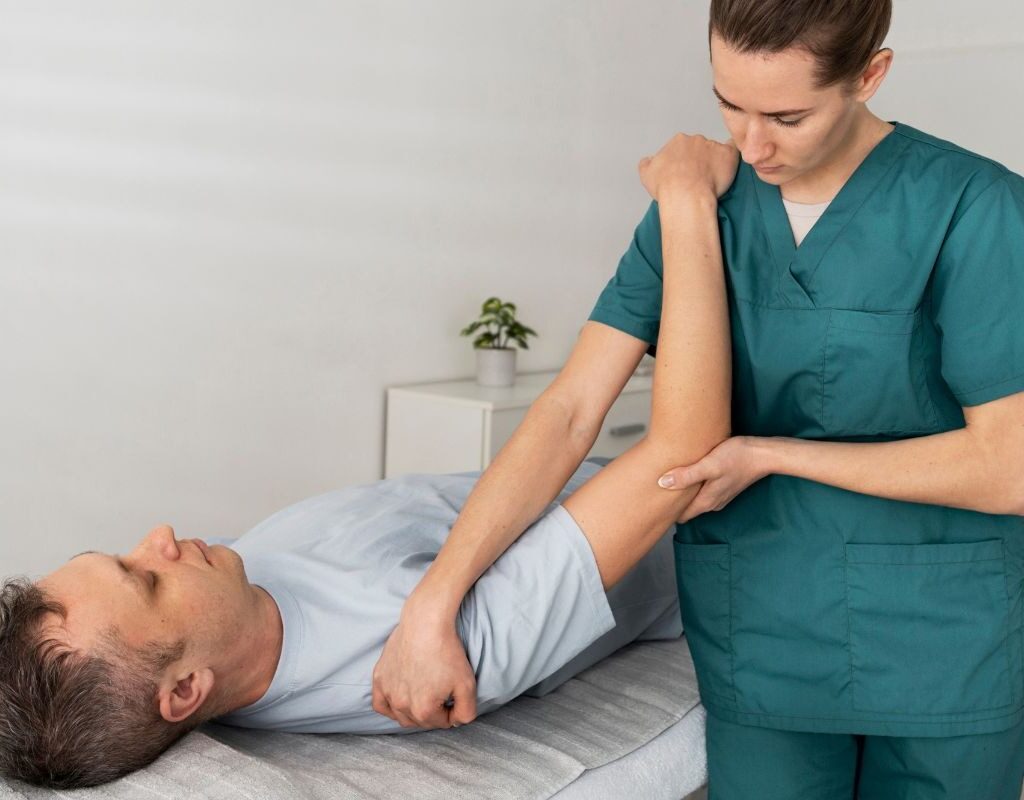
A major goal of osteopathy is to restore normal movement. Many people living with chronic pain experience stiffness that limits their daily activities. Osteopathic manual therapy encourages better circulation and muscle relaxation, making movement easier and less painful.

Practitioners often combine manual therapy for pain relief with posture correction, stretching, and gentle exercises. This holistic care plan supports long-term mobility improvement and helps prevent recurring pain.

If you’re interested in becoming a professional in this growing healthcare field, Ruhani College offers Manual Osteopath Certification in Ontario that equips you with the skills and knowledge to help others manage pain naturally.

Osteopathic Treatment for Posture and Balance

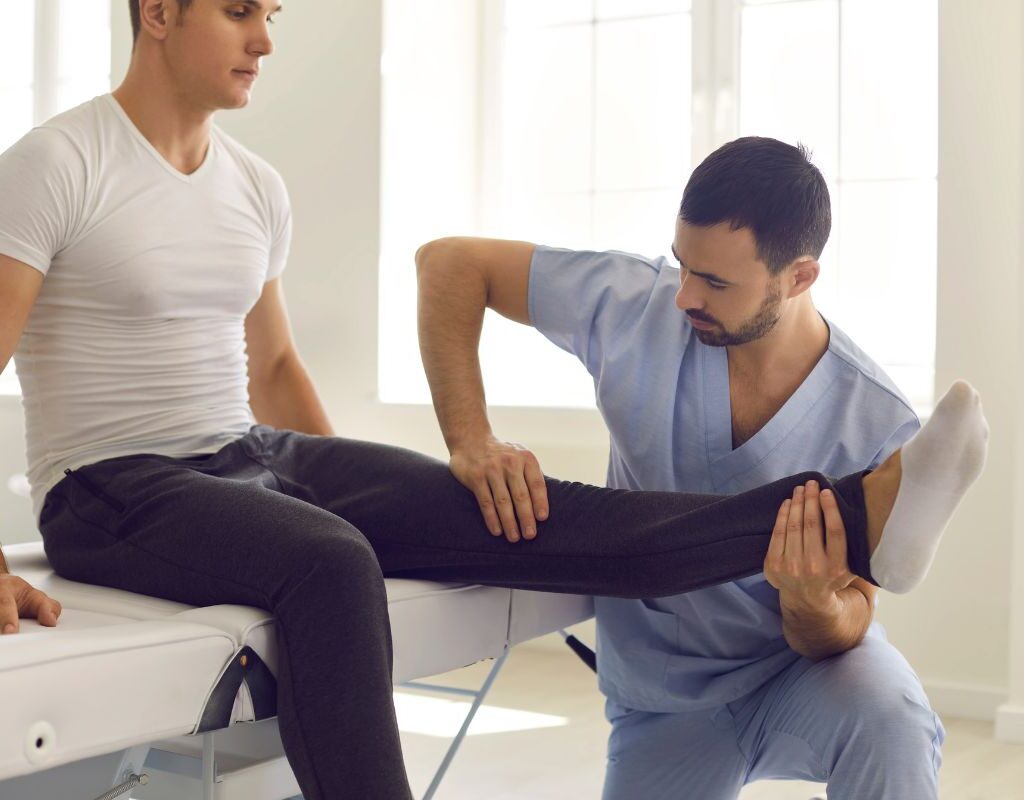
Many people underestimate the effect of posture on pain and mobility. Poor posture can lead to chronic muscle strain, headaches, and even joint misalignment. Osteopathic manual therapy helps correct these imbalances by realigning the musculoskeletal system.

Through assessment and treatment, osteopaths identify areas of tension or restriction and work to release them. Improved posture not only relieves pain but also enhances energy levels and overall body coordination.

This makes osteopathy a practical approach for anyone looking to maintain long-term health, especially those who spend long hours sitting or standing.

DOMP Treatment and Its Results

A Diploma in Osteopathic Manual Practice (DOMP) prepares students to work as certified practitioners who help patients manage various pain conditions. Graduates from accredited programs gain in-depth knowledge of anatomy, physiology, and hands-on therapy methods.

Ruhani College’s program emphasizes real-world clinical practice, ensuring students are confident in applying osteopathic techniques. The DOMP treatment results often include improved posture, reduced pain, and enhanced physical function — benefits that make osteopathy increasingly popular across Ontario.

To explore professional certification opportunities, visit Osteopathy Certification Ontario.

How Osteopathy Supports Holistic Health

Unlike traditional treatments that may focus only on symptoms, osteopathy promotes balance across the entire body. By addressing the root causes of discomfort, osteopaths help clients achieve long-lasting relief.

Whether you’re recovering from an injury or managing chronic conditions, osteopathy offers gentle, sustainable care. It’s a natural approach that supports the body’s own healing processes, making it suitable for people of all ages.

As more Ontarians recognize the value of manual therapy, the demand for skilled osteopathic practitioners continues to rise. Ruhani College provides the training and hands-on experience needed to build a meaningful career in holistic health.

Conclusion

Chronic pain doesn’t have to control your life. Osteopathy for chronic pain Ontario offers a path to recovery by improving movement, easing discomfort, and promoting better body function.

If you’re inspired to help others achieve lasting relief and wellness, consider enrolling in one of Ruhani College’s specialized programs. From Osteopath training programs in Ontario to Manual Osteopath Certification in Ontario, each course is designed to give students the skills and confidence to make a real difference in people’s lives.

acupuncture career in Ontario

Starting Your Acupuncture Career in Ontario: A Complete Guide

An acupuncture career in Ontario can be a meaningful choice for anyone interested in holistic healing and natural healthcare. As more people seek gentle and effective treatments for stress, pain, and overall well-being, the demand for trained acupuncturists continues to rise.
In Ontario, this profession is regulated to ensure safe and ethical practice. Whether you’re just starting your education or considering a mid-career shift, understanding the path to becoming an acupuncturist will help you make confident decisions. Ruhani College supports aspiring students with strong foundational learning that prepares them for real-world success in healthcare.

Understanding the Role of an Acupuncturist

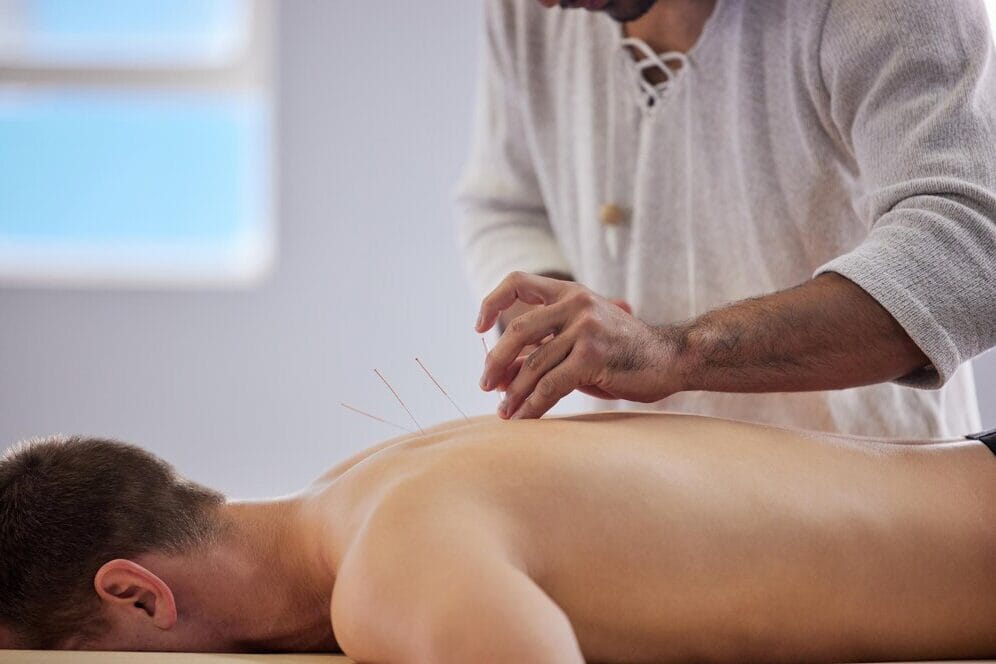
Before you begin your acupuncture career in Ontario, it’s important to know what acupuncturists actually do. They use fine, sterile needles to stimulate specific points on the body to balance energy flow, promote healing, and reduce pain.

Acupuncturists often treat a wide range of conditions such as headaches, muscle pain, stress, and digestive issues. The acupuncture scope of practice in Ontario also includes patient assessment, treatment planning, and health education.

Education Requirements for Acupuncturists

The first step in your acupuncture career in Ontario is completing a recognized diploma or degree program. These programs usually combine classroom learning and clinical practice. Students learn anatomy, physiology, traditional Chinese medicine (TCM) theory, and practical needle techniques.

If you’re exploring your options, you can learn more about the acupuncture diploma Programs Ontario to understand the structure and training hours needed for certification.

Licensing and Registration Process

All practitioners must be registered with the College of Traditional Chinese Medicine Practitioners and Acupuncturists of Ontario (CTCMPAO) before they can legally practice. This is a key step in building your acupuncture career in Ontario.

To get licensed, you must:

  • Graduated from an approved acupuncture or TCM program.
  • Pass the acupuncture certification exam in Ontario conducted by the college.
  • Meet safety, ethics, and communication standards.
  • Submit proof of good conduct and English language proficiency.

You can find detailed information about the acupuncture certification in Ontario on Ruhani College’s official page, which outlines how graduates are guided through every stage of the licensing process.

Skills Needed to Succeed in Acupuncture

Success in an acupuncture career in Ontario depends on more than just technical skill. Acupuncturists also need:

  • Strong communication and listening abilities.
  • Empathy and patience with clients.
  • Knowledge of anatomy and human physiology.
  • Careful hand-eye coordination and attention to safety.

The skills required for acupuncturists in Ontario are developed through both academic learning and supervised clinical training. Ruhani College focuses on helping students gain confidence and practical skills that apply directly to client care.

Cost and Duration of Education

The cost of acupuncture school in Ontario can vary depending on the college and the length of study. Most programs last around three years and include hundreds of hours of hands-on practice. Tuition may also include textbooks, equipment, and exam preparation fees.

Even though the investment can seem large, the long-term rewards of an acupuncture career in Ontario—in terms of stability, client trust, and meaningful work—make it worthwhile for many students.

Career Opportunities After Graduation

Once licensed, there are several job paths you can take with your acupuncture career in Ontario. Many graduates work in:

  • Private acupuncture or wellness clinics
  • Rehabilitation centers and spas
  • Hospitals and multidisciplinary health clinics
  • Corporate wellness programs

Some even start their own private practice. The job outlook for acupuncturists in Ontario remains positive due to growing awareness of alternative medicine and insurance coverage for acupuncture services.

Graduates who complete acupuncture training courses in Ontario often find it easier to explore these options confidently, as they gain both theoretical and clinical readiness for real-world practice.

Continuing Education and Professional Growth

An acupuncture career in Ontario does not stop once you are licensed. Continuing education helps acupuncturists stay updated with modern techniques and research.

Various acupuncture continuing education and workshops in Ontario cover topics such as advanced meridian therapy, electro-acupuncture, cupping, and herbal medicine. Participating in these workshops helps professionals expand their skills and better serve clients.

Traditional Chinese Medicine and Modern Practice

Many professionals building an acupuncture career in Ontario are inspired by the balance between ancient knowledge and modern science. While acupuncture originates from traditional Chinese medicine (TCM), it has evolved through research and evidence-based approaches.

Today, the discussion of traditional Chinese medicine vs modern acupuncture in Ontario highlights how both can work together. Practitioners often combine classical techniques with modern healthcare understanding to create well-rounded treatment plans.

Professional Regulations and Ethics

The College of Traditional Chinese Medicine Practitioners and Acupuncturists of Ontario regulates how licensed professionals operate. Following these rules ensures client safety, trust, and ethical care.

For students beginning their acupuncture career in Ontario, learning about professional conduct and ethical decision-making is as important as mastering treatment techniques. Ruhani College integrates these topics into its teaching to prepare students for responsible practice.

Conclusion

Starting an acupuncture career in Ontario can be a rewarding path filled with learning, growth, and purpose. From understanding TCM principles to completing licensing exams, each step brings you closer to helping others through natural healing.

Ruhani College continues to support aspiring acupuncturists with practical education and guidance, helping them become confident, skilled professionals in Ontario’s healthcare community.

massage therapy career in Ontario

Top 5 Reasons to Start Your Massage Therapy Career in Ontario

A massage therapy career in Ontario offers more than just a job — it provides a stable, fulfilling path in healthcare. Across the province, demand for skilled Registered Massage Therapists (RMTs) continues to grow. Whether working in clinics, wellness centers, or private practice, massage therapy allows professionals to make a real difference in people’s well-being.

Ruhani College helps students prepare for this rewarding journey with strong academic and hands-on training programs. Understanding the main benefits of this profession can help you decide if it’s the right path for you.

1. Growing Demand and Job Opportunities

One of the strongest reasons to choose a massage therapy career in Ontario is the increasing demand for qualified professionals. As more people seek natural and holistic approaches to health, massage therapy services are in higher demand across hospitals, spas, and rehabilitation centers.

There are several massage therapy clinics hiring in Ontario, offering opportunities for both new graduates and experienced therapists. The consistent need for wellness care ensures that RMTs have stable employment options and flexible work arrangements.

Many aspiring therapists start their journey through a Registered massage therapist course in Ontario, which prepares them with both theoretical knowledge and practical clinical experience.

2. Flexible Career Choices

Another benefit of a massage therapy career in Ontario is flexibility. You can choose to work full-time in a healthcare setting or part-time in a private practice. Some RMTs prefer independent work, while others join group clinics or wellness centers.

You can even explore specialized areas such as:

  • Sports massage therapy for athletes
  • Prenatal or rehabilitation massage
  • Geriatric or palliative care therapy

These massage therapy specializations in Ontario allow professionals to work in areas they are most passionate about, balancing personal interests with professional growth.

3. Positive Work Environment and Job Satisfaction

The working conditions for massage therapists in Ontario are generally supportive and professional. Most workplaces maintain calm, relaxing environments where therapists can focus on helping clients.

A massage therapy career in Ontario also brings emotional satisfaction. Helping clients reduce pain, recover from injuries, and manage stress creates a sense of purpose. Many therapists mention that their work improves both their clients’ lives and their own mental well-being.

Additionally, RMTs can choose between private versus clinic-based RMT work in Ontario, depending on their lifestyle and goals.

4. Strong Income Potential and Job Security

Financial stability is another benefit of pursuing a massage therapy career in Ontario. RMTs earn competitive incomes, especially when working in clinics or running their own practice.

While income varies depending on location and experience, many therapists appreciate the ability to build their schedules and client base. The salary and job growth for RMTs in Ontario have remained steady over the past few years, supported by growing awareness of massage therapy’s health benefits.

Moreover, many insurance plans include coverage for massage therapy in Ontario, which further increases client demand and helps RMTs build consistent appointments.

5. Opportunities for Growth and Learning

A massage therapy career in Ontario does not end with graduation — it continues to grow with experience. The field offers various continuing education programs that allow RMTs to stay updated and improve their skills.

Many professionals choose to upgrade through RMT training courses in Ontario that focus on advanced techniques and clinical development. These programs not only enhance practical knowledge but also expand career opportunities.

The continuing education opportunities for massage therapists in Ontario ensure that practitioners remain confident and adaptable in an evolving healthcare environment.

Additional Advantages of Choosing Massage Therapy

A massage therapy career in Ontario also provides several personal and professional benefits:

  • Job diversity – Work with clients from various backgrounds and needs.
  • Personal independence – Many RMTs manage their schedules and clients directly.
  • Community respect – Massage therapy is recognized as a vital part of healthcare.
  • Holistic care focus – It supports natural healing and complements other treatments.

Graduates from Ruhani College programs often share how their training gave them the confidence to manage client care, maintain records, and handle ethical responsibilities effectively.

Education and Licensing Path

Before beginning your massage therapy career in Ontario, completing the proper education and licensing process is essential. Students must complete a diploma program from an approved college, which includes both classroom study and clinical practice.

Once training is complete, graduates must pass the College of Massage Therapists of Ontario (CMTO) exams to receive registration and start professional practice. The prerequisites for massage therapy training in Ontario include a strong interest in anatomy, health sciences, and helping people improve their physical well-being.

A Sustainable Career Choice

The advantages of being a massage therapist in Ontario go beyond income and flexibility. It’s a sustainable and meaningful profession. With continuous learning, professional development, and community trust, RMTs enjoy long-term satisfaction.

A massage therapy career in Ontario also allows individuals to combine physical and emotional wellness in their daily work. Whether helping athletes recover or reducing stress in office workers, the rewards are deeply personal and lasting.

Conclusion

A massage therapy career in Ontario opens many opportunities for growth, learning, and fulfillment. With increasing client demand and flexible work environments, this profession offers both stability and purpose.Ruhani College continues to support future massage therapists with quality training that prepares them for real-world success. If you’re interested in starting a rewarding healthcare journey, consider exploring massage therapy as your next career step.

Registered massage therapist licensing Ontario

Understanding Registered Massage Therapist Licensing in Ontario

Massage therapy is a growing healthcare profession in Canada. If you want to practice legally as a Registered Massage Therapist (RMT), you must understand the process of registered massage therapist licensing Ontario. This process ensures that practitioners meet professional standards and are well-prepared to provide safe and effective care.

At Ruhani College, students learn both theory and practical skills that help them prepare for the licensing journey. Whether you are new to healthcare or looking to expand your skills, knowing the requirements is the first step toward a rewarding massage therapy career.

Why Licensing Matters in Massage Therapy

Licensing is not just a formality. The registered massage therapist licensing Ontario process ensures that clients receive care from qualified professionals. It also protects the reputation of the profession. Without proper licensing, a person cannot legally use the RMT title or provide massage therapy treatments in Ontario.

This means that every aspiring therapist must carefully follow the CMTO registration process and meet the official RMT licensing requirements before beginning their career.

Steps in the Licensing Process

If you are planning for registered massage therapist licensing Ontario, here are the main steps:

  • Complete education from approved Ontario massage therapy colleges.
  • Meet clinical training hours as part of the program.
  • Apply to CMTO (College of Massage Therapists of Ontario).
  • Pass the certification exams (both written and practical).
  • Submit proof of good character and health.
  • Pay registration fees and receive your license.

Each of these steps plays a vital role in shaping your career in massage therapy.

Education Requirements

Before applying for registered massage therapist licensing Ontario, candidates must complete an accredited massage therapy program. This includes courses in anatomy, physiology, pathology, and hands-on practice. Colleges also teach professional ethics and safety, preparing students for the responsibilities of being an RMT.

Understanding the Certification Exams

One of the biggest parts of registered massage therapist licensing Ontario is the exam stage. The CMTO exam has two parts:

  • Written exam – tests your knowledge of theory and clinical concepts.
  • Practical exam – checks your ability to perform treatments safely and professionally.

Preparing for these exams can be stressful, but with the right training and study habits, students gain the confidence to succeed. Many graduates look for licensing exam tips for RMTs to guide their study plan.

License Renewal and Maintenance

Getting licensed is not the final step. Registered massage therapist licensing Ontario also includes ongoing renewal. RMTs must:

  • Renew their license every year.
  • Complete continuing education activities.
  • Maintain professional liability insurance.

This ensures that massage therapists stay updated with new techniques and continue to provide safe services.

Career Impact of Licensing

The journey of registered massage therapist licensing Ontario leads directly to career growth. With an active license, RMTs can:

  • Work in clinics, wellness centers, or rehabilitation facilities.
  • Join sports teams as healthcare support staff.
  • Explore private practice opportunities.
  • Grow their careers in Ontario’s healthcare system.

Without a license, none of these options would be possible.

Common Challenges in the Licensing Journey

Many students preparing for registered massage therapist licensing Ontario face challenges such as exam stress, understanding application requirements, or managing paperwork. Support from educators and mentors plays a huge role in overcoming these challenges. Ruhani College emphasizes practical learning to help students feel prepared when they step into real-world licensing steps.

How Ruhani College Supports Students

Ruhani College programs are designed with the registered massage therapist licensing Ontario journey in mind. Students not only learn massage therapy techniques but also gain skills that directly apply to licensing exams. With hands-on clinical practice and guidance, graduates are ready to meet licensing requirements with confidence.

Conclusion

The path to becoming an RMT begins with education and ends with achieving a license. Understanding registered massage therapist licensing Ontario is the key to entering a respected healthcare profession. From training to exams and license renewal, every step ensures that clients get safe, professional care.Ruhani College continues to prepare students for this journey, helping them build careers that make a difference in people’s lives. If you are planning to join the profession, start with quality education and be ready for the licensing process that will shape your future.

Osteopathic manual therapy benefits

Osteopathic Manual Therapy Benefits for Sports Injuries

Sports injuries can affect anyone—whether you are a professional athlete or someone who enjoys health fitness. Recovery is often slow, but with the right support, healing can be faster and more complete. One proven approach is osteopathic manual therapy benefits, which focuses on hands-on care for muscles, joints, and bones.

In Ontario, athletes are discovering how osteopathic manual therapy benefits helps to reduce pain, improve movement, and prevent future injuries. At Ruhani College, students learn how osteopathy works as part of modern healthcare and how it prepares them for meaningful careers.

Why Osteopathic Manual Therapy Matters

The main goal of osteopathy is to restore balance in the body. Instead of only treating the painful area, it looks at how the whole body functions together. This makes osteopathic manual therapy benefits different from many other treatments.

For athletes, these benefits mean more than short-term relief. They include:

  • Faster recovery from common sports injuries.
  • Better movement and flexibility.
  • Reduced long-term pain.
  • Improved body alignment and posture.
  • Lower risk of reinjury.

When combined with proper rest and training, these osteopathic manual therapy benefits can make a big difference in athletic performance.

Sports Injury Treatment in Ontario

Ontario athletes often look for safe and effective recovery options. Sports injury treatment Ontario covers many services, but osteopathy stands out because it uses gentle, hands-on methods.

Injuries that respond well to osteopathic manual therapy benefits include:

  • Muscle strains and sprains
  • Joint stiffness
  • Neck or back injuries
  • Overuse injuries like tennis elbow
  • Limited flexibility from training

These examples show how osteopathy supports both quick recovery and long-term health for athletes.

Osteopathy vs Physiotherapy

When people hear about recovery care, they often compare osteopathy vs physiotherapy. Both treatments are useful, but their methods differ:

  • Physiotherapy uses exercises and equipment to rebuild strength.
  • Osteopathy uses manual adjustments to restore body balance.

For many athletes, combining both gives the best results. Still, the unique osteopathic manual therapy benefits make it valuable on its own, especially for those who want natural and drug-free care.

Managing Chronic Pain with Osteopathy

Chronic pain is common after repeated sports injuries. Many athletes face ongoing discomfort in joints, shoulders, or backs. Here, osteopathic manual therapy benefits become especially important.

By releasing tension, improving circulation, and restoring alignment, osteopathy helps the body heal naturally. This approach not only eases pain but also prevents it from becoming worse over time.

Osteopathic Rehab Techniques for Athletes

Recovery requires the right rehab methods. Some common osteopathic rehab techniques include:

  • Gentle joint movement to improve flexibility.
  • Soft tissue work to release muscle tightness.
  • Posture correction to prevent further injuries.
  • Breathing support to improve oxygen flow.

Each of these methods adds to the overall osteopathic manual therapy benefits that athletes experience during recovery.

Certified Osteopathic Practitioners in Ontario

For safe and effective treatment, it is important to see a certified osteopathic practitioner Ontario. Proper training ensures that techniques are applied correctly.

Students at Ruhani College train in osteopathy through both classroom learning and supervised practice. This prepares them to deliver real osteopathic manual therapy benefits to patients, including athletes dealing with injuries.

Manual Osteopathy for Athletes Beyond Injuries

While osteopathy is often linked with recovery, the osteopathic manual therapy benefits also support everyday performance. Many athletes use osteopathy to:

  • Improve flexibility for better movement.
  • Maintain balance in the body.
  • Recover faster after workouts.
  • Manage stress and fatigue.

This shows how manual osteopathy for athletes is not only about healing injuries but also about keeping the body in peak condition.

Ruhani College and Osteopathy

At Ruhani College, students gain knowledge about healthcare practices, including osteopathy. Training programs give future practitioners the skills needed to apply osteopathic manual therapy benefits in real healthcare settings.

By connecting theory with practice, Ruhani College helps learners prepare for meaningful healthcare careers while understanding how osteopathy supports athletes and patients alike.

Conclusion

Sports injuries are part of an active life, but healing does not have to be a challenge. With the right care, recovery becomes faster and safer. Osteopathic manual therapy benefits athletes by reducing pain, improving mobility, and restoring balance to the body.

Whether used for injury recovery, chronic pain, or prevention, the osteopathic manual therapy benefits continue to make a difference in Ontario’s sports community. With guidance from a certified osteopathic practitioner Ontario, athletes can return to the field stronger and healthier.

Ruhani College prepares students to understand and deliver these therapies, making osteopathy not just a treatment but also a career path that supports health and wellness in real life.

Acupuncture Education in Ontario

Acupuncture Education in Ontario: Training and Career Pathways

Acupuncture has become an important part of healthcare in Canada. People look for natural ways to manage pain, improve wellness, and recover from illness. This demand has created new career opportunities for students interested in studying acupuncture.

If you are thinking about building a career in holistic health, learning about acupuncture education Ontario is a good first step. In Ontario, training includes classroom knowledge, practical skills, and supervised practice. Programs are designed to prepare students for licensing and professional roles in wellness clinics, rehabilitation centers, and healthcare offices.

At Ruhani College, students can explore pathways in acupuncture and other healthcare programs that connect them with the growing field of natural medicine.

Why Choose Acupuncture Education in Ontario?

Ontario has a diverse healthcare system, where both modern and traditional approaches are valued. Students who decide to study acupuncture Ontario benefit from:

  • Structured training that combines theory and practice.
  • Exposure to holistic methods of treatment.
  • Guidance for meeting the acupuncture licensing Ontario requirements.
  • A clear route to working in clinics, wellness centers, or independent practice.

Acupuncture education Ontario prepares graduates with real skills that connect directly to patient care. This focus on both knowledge and hands-on practice makes the training practical and job-focused.

What to Expect in Acupuncture Training Ontario

Students entering acupuncture training in Ontario can expect to learn:

  • The history and philosophy of acupuncture.
  • Human anatomy and how acupuncture interacts with the body.
  • Techniques for safe and effective treatment.
  • Communication and professionalism for working with patients.

By the end of the course, graduates are ready to move forward with the acupuncture certification process and meet the standards required to practice in the province.

Benefits of an Acupuncture Diploma

An acupuncture diploma benefits students in many ways. It not only opens doors to employment but also builds long-term career security. Some of the key benefits include:

  • Access to roles in wellness and rehabilitation clinics.
  • Skills that can support independent practice.
  • A strong foundation for lifelong learning in holistic health.
  • Pathways for further acupuncture continuing education Canada.

Many graduates also combine their diploma with other healthcare programs, creating more career opportunities in the wellness field.

Career Opportunities After Acupuncture Education Ontario

Graduates of acupuncture education Ontario can choose several paths:

  • Working as an acupuncturist in wellness clinics.
  • Supporting patients in rehabilitation centers.
  • Offering services in healthcare offices alongside other practitioners.
  • Building independent practice with repeat clients.

These options make acupuncture a flexible and meaningful healthcare career.

The Acupuncture Certification Process

Completing training is only one part of the journey. Students also need to understand the acupuncture certification process in Ontario. This process ensures that graduates meet provincial standards before practicing with the public.

Certification usually involves:

  • Finishing an approved diploma program.
  • Completing supervised clinical hours.
  • Passing the required exams.

This pathway gives confidence to both students and patients, showing that professionals are fully prepared for the role.

Role of Holistic Health Education

Holistic health education is about looking at the body as a whole rather than treating one symptom at a time. Acupuncture is one of the main practices that follows this approach. Training in Ontario allows students to see how acupuncture fits within larger healthcare models.

This makes acupuncture education Ontario not just about techniques, but about understanding wellness from a broader perspective.

Adding More Career Pathways

While acupuncture is a strong career option, Ruhani College also offers other healthcare training that builds diverse opportunities. Students often explore different programs to expand their skills and employment choices. For example:

  • Acupuncture Diploma Programs Ontario prepare graduates for holistic health careers.
  • Osteopathy Certification Ontario provides knowledge in manual therapy and natural healing.

Both of these options connect well with acupuncture training and open more pathways in healthcare careers.

Importance of Continuing Education

Healthcare is always changing. For acupuncture graduates, acupuncture continuing education Canada is an important step. It allows professionals to stay updated with new methods, deepen their expertise, and expand their client base.

This also ensures that students who complete acupuncture education Ontario can continue to grow throughout their careers.

What Students Say About Training

Many learners search for acupuncture school reviews in Ontario to understand what to expect before joining a program. Reviews often highlight:

  • Helpful instructors who guide students in both theory and practice.
  • Clinical training that makes students confident.
  • The balance between classroom learning and real-world experience.

This feedback shows that acupuncture education Ontario prepares students for practical careers, not just academic success.

How Ruhani College Supports Students

At Ruhani College, students are encouraged to think beyond the classroom. The goal is not just to complete a diploma, but to prepare for meaningful work in healthcare. With programs that emphasize practical healthcare education and real-world skills, Ruhani helps students take confident steps into their careers.

By offering programs in acupuncture, osteopathy, massage therapy, personal support work, and more, Ruhani connects students to a wide variety of healthcare roles. For anyone planning to build a career through acupuncture education Ontario, Ruhani provides the right foundation.

Conclusion

Acupuncture is growing as an important part of healthcare in Ontario. Students who choose acupuncture education Ontario gain the chance to work in wellness, rehabilitation, and natural health. Training covers classroom knowledge, hands-on practice, and clinical skills, all leading to licensing and real-world employment.

With supportive programs at institutions like Ruhani College, learners can explore pathways such as acupuncture, osteopathy, and other holistic health careers. Whether your goal is to work in clinics, support patients in recovery, or build an independent practice, acupuncture training provides the skills you need for the future.

Healthcare Career Training Canada

Healthcare Career Training in Canada: How Ruhani College Prepares Students for Success

Healthcare is one of the fastest-growing industries in Canada. From hospitals to clinics and wellness centers, skilled professionals are in high demand. But employers want graduates who are not only educated but also ready to step into the workplace with confidence. This is where healthcare career training in Canada plays a vital role.

At Ruhani College, students receive more than classroom learning. They gain practical healthcare education, hands-on medical training, and guidance to choose the right healthcare diploma career path. The college offers a wide range of programs—such as Massage Therapy, Acupuncture, Osteopathy, Personal Support Worker, Early Childhood Assistant (ECA), and Pre-Medeach designed to prepare students for real-world careers.

Let’s look at how Ruhani programs give students the tools to succeed.

1. Massage Therapy Program

Massage Therapy is not just about relaxation—it is an important part of patient care, recovery, and wellness. At Ruhani, students receive healthcare career training Canada employers expect from Registered Massage Therapists. Training includes anatomy, clinical practice, and therapeutic massage skills.

  • Focus on hands-on medical training with real techniques.
  • Pathways into clinics, wellness centers, and sports therapy.
  • Supports strong massage therapy career options and steady demand in Ontario.

2. Acupuncture and Natural Healing

Interest in alternative health continues to grow in Canada. Ruhani’s Acupuncture program gives students a chance to study traditional healing while preparing for modern careers.

  • Builds industry-ready healthcare skills in natural therapy.
  • Students gain real-world medical education by practicing treatments under supervision.
  • Opens alternative health careers in clinics, wellness centers, and independent practice.
  • Often searched as Diploma in Acupuncture near me, this program reflects Ruhani’s role as a trusted college for healthcare careers.

3. Osteopathy Training

Osteopathy is another growing area in the wellness and rehabilitation industry. We prepares students with knowledge of manual therapy, posture correction, and holistic healing.

  • Designed for students seeking a medical field training Ontario opportunity.
  • Part of healthcare career training Canada that connects theory with patient-centered practice.
  • Leads to job-oriented healthcare courses focused on musculoskeletal care.

4. Personal Support Worker (PSW) Program

One of the most needed careers in Ontario is Personal Support Work. PSWs play a key role in hospitals, long-term care homes, and homecare services.

  • Training covers patient care, safety, and communication.
  • Offers medical jobs training with quick access to the workforce.
  • Supports a career in healthcare Ontario with strong job growth.
  • Perfect for students looking for short-term, job-oriented healthcare courses.

5. Early Childhood Assistant (ECA) Program

Healthcare is not limited to hospitals—it also extends to education and childcare. Ruhani’s ECA program prepares students to support children’s growth and development in safe environments.

  • Builds skills in child health, early education, and support services.
  • An important healthcare diploma career path for those interested in childcare roles.
  • Adds diversity to Ruhani healthcare career programs, beyond clinical settings.

6. Pre-Med Training

Many students plan to continue their studies in medicine. Ruhani’s Pre-Med program provides clinical experience so students are ready for higher education in Canada or abroad

  • Offers a foundation for students aiming for advanced medical studies.
  • Combines real-world medical education with academic preparation.
  • A strong first step in long-term healthcare career training Canada.

Why Choose Ruhani for Healthcare Career Training Canada?

Ruhani College stands out as a college for healthcare careers because it prepares students not only to pass exams but also to work confidently in the real world.

Here’s how:

  • Practical healthcare education with real scenarios.
  • Focus on hands-on medical training.
  • Courses are built as job-oriented healthcare courses.
  • Exposure to clinical experience and applied practice.
  • Preparation for entry-level medical jobs training.
  • Flexible healthcare diploma career path options.
  • Support for long-term growth in a career in healthcare Ontario.

Career Pathways After Training

Completing healthcare career training Canada at Ruhani opens doors to many roles, such as:

  • Massage Therapist in clinics or wellness centers.
  • Acupuncturist in natural health practices.
  • Osteopathy assistant or independent practitioner.
  • Personal Support Worker in hospitals or old age homes.
  • Early Childhood Assistant in childcare centers.
  • Pre-Med graduate moving into medical school.

Each of these paths is supported by Ruhani healthcare career programs, giving students clear steps into the workforce.

Conclusion

Healthcare will always need skilled and caring professionals. What matters most is being prepared with the right skills. Ruhani College ensures students gain healthcare career training Canada employers value—through practical learning, real-world practice, and career-focused programs.

Whether you choose Massage Therapy, Acupuncture, Osteopathy, PSW, ECA, or Pre-Med, Ruhani provides the real-world medical education that leads to confidence and career success.If you are searching for a trusted place for healthcare career training Canada, Ruhani College is ready to guide your journey into the healthcare field.

massage therapy career options

Career Options After Completing a Massage Therapy Program

Massage therapy is more than relaxation—it is a growing healthcare profession that supports healing, stress relief, and overall wellness. Once you complete your training, there are many exciting massage therapy career options available in Canada and worldwide. From working in clinics and hospitals to exploring wellness centers, spas, or sports settings, this career path offers variety, flexibility, and growth.

In this blog, we will look at the most popular massage therapy career options, what to expect from them, and how they can shape your future.

1. Registered Massage Therapist (RMT) in Clinics

One of the most common massage therapy career options is becoming a clinical massage therapist. In this role, you will work directly with patients who need therapeutic massage for pain management, injury recovery, or rehabilitation. This is a stable choice with strong demand in the healthcare system. Many massage therapy graduate jobs begin in clinics where RMTs support physiotherapists, chiropractors, and doctors. Students who complete a registered massage therapist program in Ontario are especially well-prepared for these clinical roles and can start their careers with confidence.

2. Wellness Centers and Spa Careers

The wellness industry is booming, creating numerous massage therapy career options. Working in wellness centers or spas is perfect for those who enjoy helping clients relax and de-stress. A spa therapist career often includes techniques like aromatherapy, hot stone massage, and relaxation therapy. This career path combines health benefits with a peaceful environment, making it attractive to many graduates.

3. Sports Massage Therapist

For those who love fitness and athletics, the sports massage therapist path is one of the most rewarding massage therapy career options. Sports teams, gyms, and fitness centers hire massage therapists to help athletes recover faster, avoid injuries, and improve performance. This is a dynamic and hands-on job role where your skills make a visible difference.

4. Hospitals and Rehabilitation Centers

Healthcare settings like hospitals and rehab centers also create strong RMT employment opportunities. Here, massage therapists work with patients recovering from surgery, long-term illnesses, or physical trauma. This is one of the alternative health careers where your care directly improves patient well-being and quality of life.

5. Corporate Wellness Programs

Modern companies are now focusing on employee wellness. Some hire massage therapists for workplace wellness programs. These massage therapy job roles focus on reducing stress, improving posture, and supporting mental health. For therapists, this is one of the newer massage therapy career options with steady demand.

6. Private Practice and Self-Employment

Starting your own practice is another exciting massage therapy career option. Many RMTs open private clinics or provide mobile services to clients at home. This gives you control over your schedule, services, and income. With good marketing and client care, this path offers independence and long-term growth.

7. Teaching and Education

After gaining experience, you may choose to teach future massage therapists. Working in schools, training centers, or colleges allows you to share knowledge and guide students. This adds to the diversity of massage therapy career options available after completing your diploma.

8. Massage Therapy in Wellness Tourism

The rise of wellness travel has opened up global massage therapy job roles. Resorts, retreats, and luxury hotels hire massage therapists to provide relaxation and therapeutic services to guests. If you love traveling or want to work internationally, this is one of the most exciting massage therapy career options.

9. Salary and Future Prospects

A big question for many students is income. The massage therapist’s salary in Ontario varies depending on experience, location, and workplace. Full-time RMTs in Canada often earn competitive incomes, with opportunities to increase earnings through private practice or specialization. With the rising demand in healthcare and wellness, RMT prospects remain very strong.

10. Key Benefits of Massage Therapy Career Options

Here are some highlights of why this career is popular:

  • Variety of roles: From clinical to spa settings.
  • Flexibility: Choose full-time, part-time, or self-employment.
  • Growth in wellness industry careers: More people now invest in health and relaxation.
  • Global demand: Skills are valued in many countries.
  • Personal satisfaction: Helping people heal and feel better every day.

Summary of Massage Therapy Career Options

To make it easier, here are the main massage therapy career options to explore after graduation:

  • Clinical massage therapist job in healthcare settings
  • Spa therapist career in wellness centers and resorts
  • Sports massage therapists path with athletes and gyms
  • Work in hospitals and rehabilitation centers
  • Corporate wellness massage therapist job roles
  • Independent practice and mobile therapy services
  • Teaching and training future therapists
  • Global careers in wellness tourism

Conclusion

Completing a massage therapy program opens the door to many exciting massage therapy career options. Whether you want to work in healthcare, wellness, sports, or even travel the world, this career provides flexibility and growth.

From massage therapy diploma jobs in clinics to RMT employment opportunities in wellness centers, the choices are endless. With the right skills and dedication, you can build a rewarding future in one of the most respected alternative health careers.

The future for graduates is bright, and strong massage therapy career options continue to expand across Canada and beyond. At Ruhani College, students gain the foundation to explore these opportunities with confidence and practical skills.

office administration skills healthcare

Essential Skills for Office Administration in Healthcare

Working in healthcare is not only about doctors and nurses. Behind every hospital, clinic, or medical office, there are trained people who manage the front desk, handle paperwork, and support smooth patient care. These roles depend on strong office administration skills that healthcare professionals must have.

If you have a dream of working in a doctor’s clinic or a hospital office in Canada, it’s important to learn these skills. Good office administration skills in healthcare help you find a job and make a real difference for both patients and healthcare workers.

What is Office Administration in Healthcare?

Office administration in healthcare is all about helping a medical place run well. This can be a busy hospital, small clinic, dental office, or health center. You become the “face” of the clinic, helping patients, communicating with doctors, and maintaining organization.

To do this job, you need special office administration skills healthcare. You should know how to use a computer, answer phones, talk to people kindly, arrange appointments, and file documents. You may also help with billing, health insurance, or medical records. With the right healthcare admin skills, you make work easier for doctors and nurses and create a welcoming place for patients.

1. Communication with Patients

Good communication is the first and most important of all office administration skills healthcare requires. Office staff are often the first people patients meet. Greeting patients, answering phone calls, giving information, and showing empathy are part of medical receptionist skills. This makes patients feel welcome and cared for.

2. Appointment Scheduling and Workflows

Managing appointments is another key part of office administration skills healthcare. Scheduling patients, coordinating with doctors, and avoiding double bookings keeps the clinic running smoothly. Learning to handle medical office workflows ensures patients are seen on time and staff can work without stress.

3. Record Keeping and Billing

Accuracy is very important in healthcare. Keeping correct records, handling billing, and updating patient files are critical healthcare admin skills. These parts of medical office management make sure there are no mistakes in patient history, insurance, or payments.

4. Using Computers and Software

Modern clinics and hospitals use electronic systems for almost everything. Being able to use scheduling tools, billing software, and electronic health records is now part of daily office administration skills healthcare. These healthcare office support skills make the work faster and error-free.

5. Teamwork and Support

Healthcare is teamwork. Even if you are an office assistant, you work closely with doctors, nurses, and other staff. Strong healthcare administrative assistant skills mean you can support the team, share information quickly, and help solve problems.

6. Organization and Multitasking

A clinic is a busy place. Office staff often answer phones, manage visitors, update records, and handle payments at the same time. To succeed, you need excellent office administration skills healthcare that include multitasking and staying organized. 

7. Healthcare Admin Training

Training helps build confidence and real skills. Short programs like the Ruhani College office admin program give students the right healthcare office admin training. With practical knowledge, graduates are ready to work in medical office admin Canada roles.

8. Certification for Office Admin Jobs

Employers often prefer staff with certification. Getting an office admin certification Canada shows you have learned the right office administration skills healthcare jobs need. It also helps you stand out in the job market.

9. Career Opportunities in Canada

Healthcare is one of the fastest-growing fields in Canada. Strong office administration skills healthcare can help you find jobs in:

  • Hospitals
  • Clinics
  • Long-Term Care & Senior Facilities
  • Government Health Agencies
  • Wellness centers
  • Private practices

This career path offers growth, stability, and the chance to help people every day.

10. Adapting to Different Workplaces

Every medical office is different. A small family clinic has a different routine than a large hospital. With flexible office administration skills healthcare, you can adjust to both. Being adaptable is one of the most valued healthcare admin career Canada skills.

Why Choose a Good Training Program?


To get hired in clinics or hospitals, you need a recognized course. Ruhani College offers programs where you learn practical, hands-on experience. You get to practice all your office administration skills healthcare in real situations.

A good program teaches you:

  • Real-world medical office workflows
  • Office Financials
  • Medical Office Operations: Learn the practices in appointment scheduling, patient intake, phone etiquette, and front desk coordination
  • Computer and digital skills needed for today’s clinics
  • Electronic Medical Records (EMR) 
  • Healthcare Communication & Documentation
  • How to talk, listen, and help patients professionally
  • Healthcare Communication & Documentation: Strengthen verbal and written communication skills tailored to healthcare environments, including record keeping, referral handling, and inter-office correspondence.
  • All the basic knowledge for healthcare admin jobs in Canada
  • Insurance Billing (EHC, MVA, WSIB & OHIP): Learn the complete cycle of billing for Extended Health Care (EHC), Motor Vehicle Accident (MVA), Workplace Safety and Insurance Board (WSIB), and Ontario Health Insurance Plan (OHIP) including documentation, submissions, and reconciliation.

Key Skills at a Glance

Here are the main office administration skills healthcare students should focus on:

  • Communication with patients to build trust
  • Appointment scheduling and calendar management
  • Accurate record keeping and billing
  • Comfort with medical software and technology
  • Teamwork with doctors, nurses, and staff
  • Strong organization and multitasking ability
  • Training and certification for job readiness
  • Career growth opportunities in Canada

Tips for Success in Office Admin Healthcare Jobs

Here are a few ideas to grow your career in this field:

  • Always ask questions if you are unsure. Good healthcare admin skills come from learning on the job.
  • Be polite and patient, even during busy times.
  • Keep improving your computer skills, as most clinics depend on software.
  • Take extra workshops or online courses for more skills.
  • Network with others in the healthcare field for career tips and support

Conclusion

Strong office administration skills healthcare are the key to running a clinic or hospital smoothly. From communication and scheduling to billing and teamwork, these skills make a big difference. With the right healthcare office support skills and proper healthcare office admin training, you can build a successful career in Canada.

Office administration in healthcare is more than just clerical work. When you develop strong office administration skills healthcare, you are at the center of every clinic or hospital. You help patients feel welcome and help the medical team work better together.

Canadians need well-trained people in this field, and training at a place like Ruhani College prepares you with the right healthcare admin skills, confidence, and real job experience. Start learning these important office administration skills in healthcare today, and open the door to a stable and respected career in Canada’s growing healthcare system.