

Why Communication Skills Are the Foundation of Successful Healthcare Careers
Healthcare is not only about medical knowledge or technical ability. It is also about how professionals connect with people. Every conversation with a patient, colleague, or family member affects the quality of care. This is why communication skills in healthcare careers are considered just as important as clinical training. Clear, respectful, and confident communication improves patient outcomes and professional growth. At Ruhani College, students are taught that communication is a core skill that supports every healthcare role.
Understanding Communication in Healthcare Practice
In daily practice, healthcare professionals must explain procedures, listen carefully, and respond calmly in stressful situations. Strong communication skills in healthcare careers help reduce misunderstandings and improve cooperation. For students, applying study tips for healthcare diploma students early also improves how they communicate with instructors and peers. Learning healthcare professional soft skills during training prepares students for real-world responsibilities.
Patient Communication and Quality of Care
Effective patient communication healthcare allows professionals to understand symptoms, concerns, and expectations clearly. When patients feel heard, they are more likely to follow care plans and trust the provider. Students who apply study tips for healthcare diploma students often perform better in role-play exercises and patient simulations, which strengthens communication skills in healthcare careers from the learning stage.
Building Trust Through Clear Communication
Trust grows when patients feel respected and understood. Building patient trust in healthcare depends on how clearly professionals explain conditions, answer questions, and show patience. Strong communication habits developed during training and practice reinforce communication skills in healthcare careers and help students move confidently into clinical environments.
Communication Training During Healthcare Education
Healthcare programs focus strongly on communication training healthcare students to prepare them for real interactions. Group discussions, presentations, and simulated patient scenarios help students practice communication in a safe setting. These experiences build confidence and strengthen communication skills in healthcare careers long before students begin working with real patients.
Therapist and Patient Interaction Skills
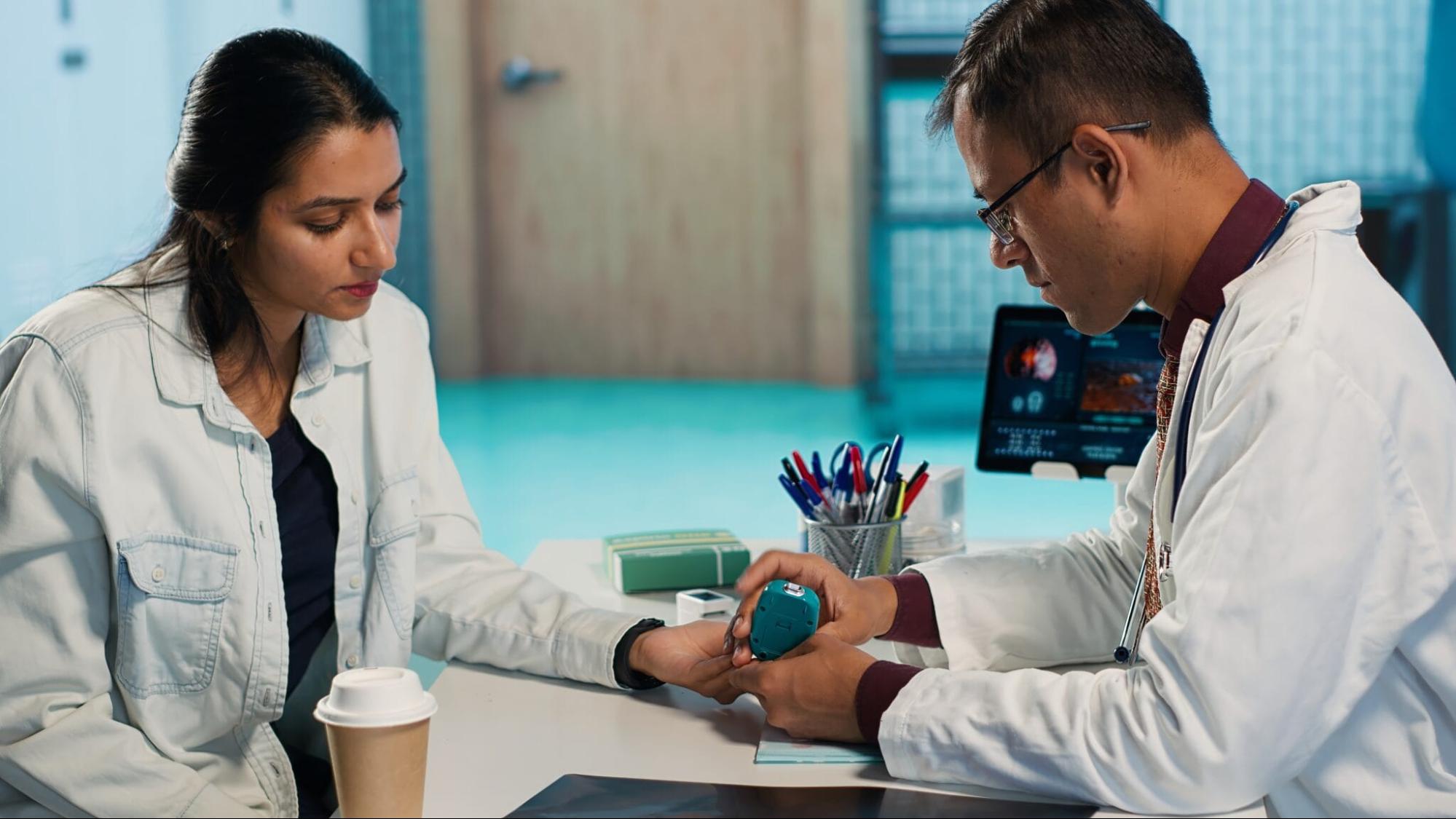
Strong therapist patient interaction skills help professionals guide patients through treatments clearly and comfortably. Explaining each step and responding to patient feedback improves cooperation and safety. These interactions show how communication skills in healthcare careers directly influence patient comfort and treatment success.
Teamwork and Communication in Healthcare Settings
Healthcare professionals rarely work alone. Effective healthcare teamwork communication ensures smooth coordination between doctors, therapists, nurses, and support staff. Clear communication reduces errors, saves time, and improves patient care. This teamwork highlights the real-world value of communication skills in healthcare careers.
Learning Communication Skills in Pre-Medical Pathways
Students preparing for healthcare careers often start with structured academic programs. Enrolling in a One-year pre-medical program in Ontario helps students develop academic knowledge along with communication abilities. Early exposure to professional communication builds confidence and strengthens communication skills in healthcare careers from the beginning.
Empathy as a Core Communication Skill
Showing care and understanding is a vital part of healthcare work. Empathy in healthcare practice allows professionals to connect emotionally with patients, especially during stressful or painful situations. Empathy supports healing and reinforces the human side of communication skills in healthcare careers.
Communication Skills in Manual and Holistic Healthcare Roles
Hands-on healthcare fields require close interaction with patients. Programs such as Manual Osteopath Certification in Ontario emphasize explaining procedures clearly and ensuring patient comfort during treatment. These environments show how communication skills in healthcare careers support trust, consent, and safety.
Communication Skills and Professional Growth
Strong communication supports career advancement and leadership. Professionals who communicate clearly build better relationships with colleagues and patients. This ongoing development reinforces communication skills in healthcare careers throughout long-term practice.
How Ruhani College Supports Communication Development
At Ruhani College, communication is treated as a professional skill, not an optional one. Through presentations, practical exercises, and real-world learning, students build clarity and confidence. This approach ensures graduates understand the lasting importance of communication skills in healthcare careers across all healthcare paths.
Final Thoughts on Communication in Healthcare Careers
Strong communication shapes every part of healthcare practice, from patient trust to teamwork and career growth. By developing effective communication skills in healthcare careers, students prepare themselves for meaningful and successful work. With the right training, practice, and guidance from institutions like Ruhani College, future healthcare professionals can turn communication into one of their strongest professional assets.