image

What You Need to Know Before Enrolling in Acupuncture Schools in Ontario

Interest in holistic healthcare continues to grow across Ontario, and communities like East York are no exception. Across East York and surrounding Toronto neighborhoods, you’ll find wellness clinics offering acupuncture, herbal therapy, and other natural treatments. If you’re considering enrolling in acupuncture schools Ontario, there are a few important things you should understand before committing.

Choosing the right program can shape your entire professional journey, so it’s worth taking your time.

Understand How Acupuncture Is Regulated in Ontario

Before applying to any acupuncture course Ontario, learn how the profession is regulated. In Ontario, acupuncture and Traditional Chinese Medicine (TCM) are governed by the College of Traditional Chinese Medicine Practitioners and Acupuncturists of Ontario (CTCMPAO).

That means not every private college automatically qualifies you for registration. A recognized TCM program Ontario must meet specific educational standards and prepare you for provincial exams.

Always confirm:

  • Accreditation status
  • Eligibility for registration exams
  • Total clinical training hours
  • Curriculum details

If a school avoids these questions, that’s a red flag.

Look Closely at the Curriculum

Acupuncture is rooted in oriental medicine Ontario traditions, but modern practice also requires strong clinical understanding.

Core Subjects to Expect

A solid program typically includes:

  • TCM theory and diagnosis
  • Anatomy and physiology
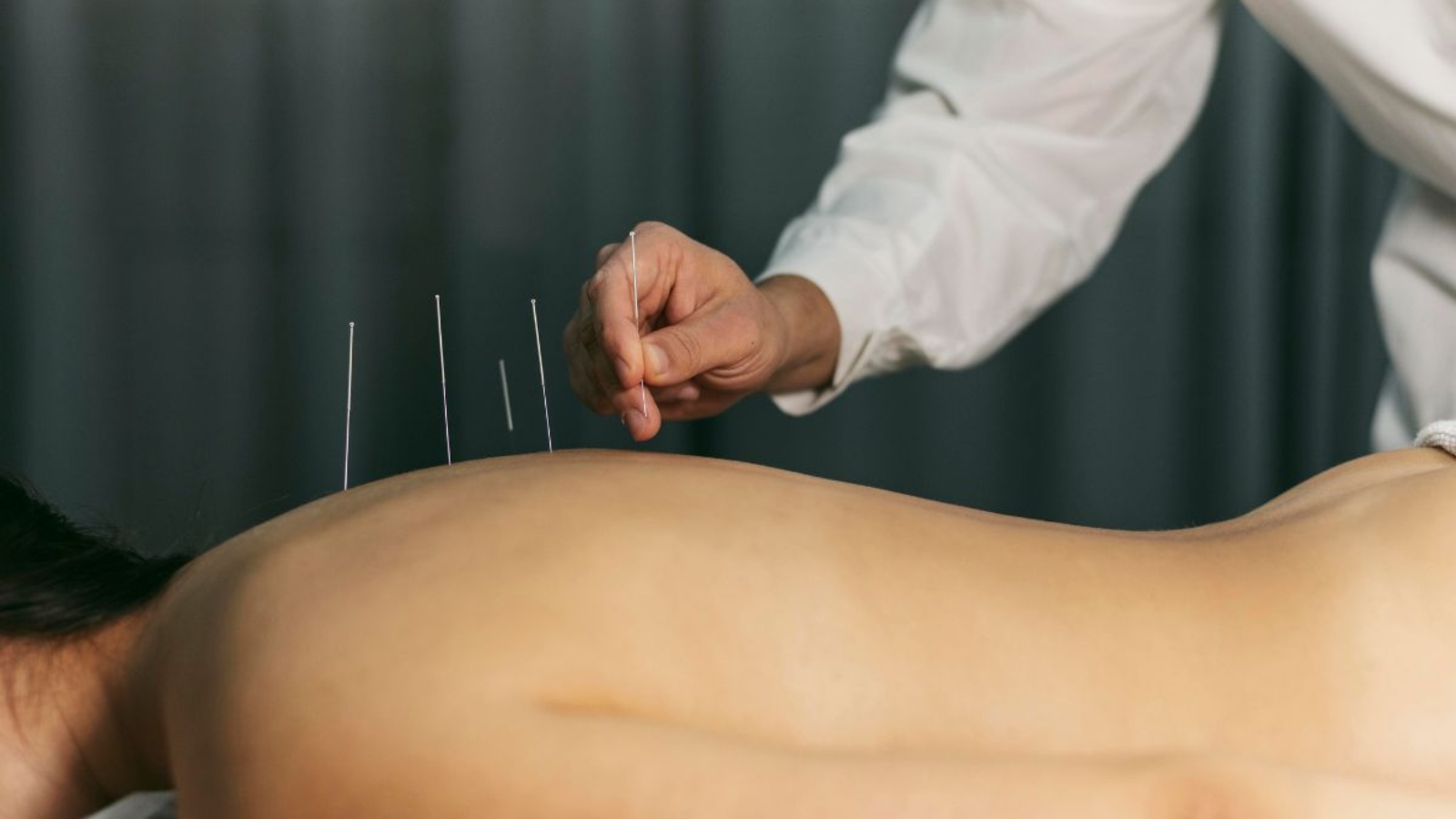
  • Point location and needling techniques
  • Herbal medicine foundations
  • Safety and infection control

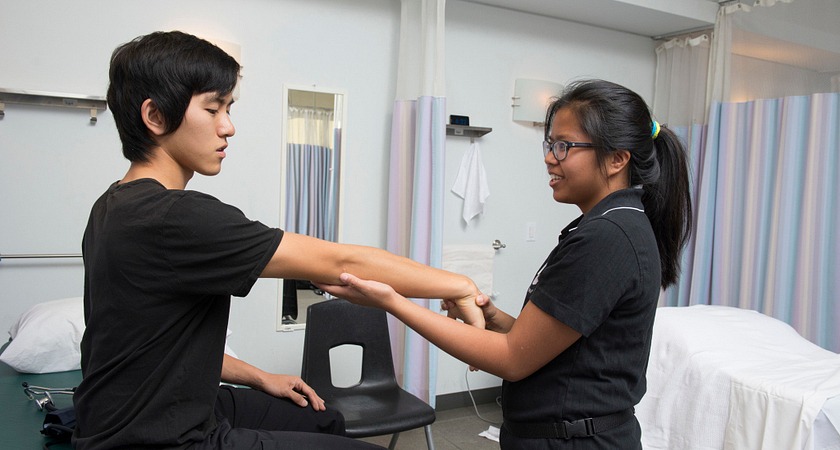
In urban areas like East York, many clinics combine acupuncture with physiotherapy or chiropractic services. That means your training should prepare you to work alongside other healthcare professionals.

Programs that balance traditional teachings with practical application tend to prepare students better for real clinic environments.

Clinical Hours Matter More Than You Think

Reading textbooks is one thing. Treating real patients under supervision is another.

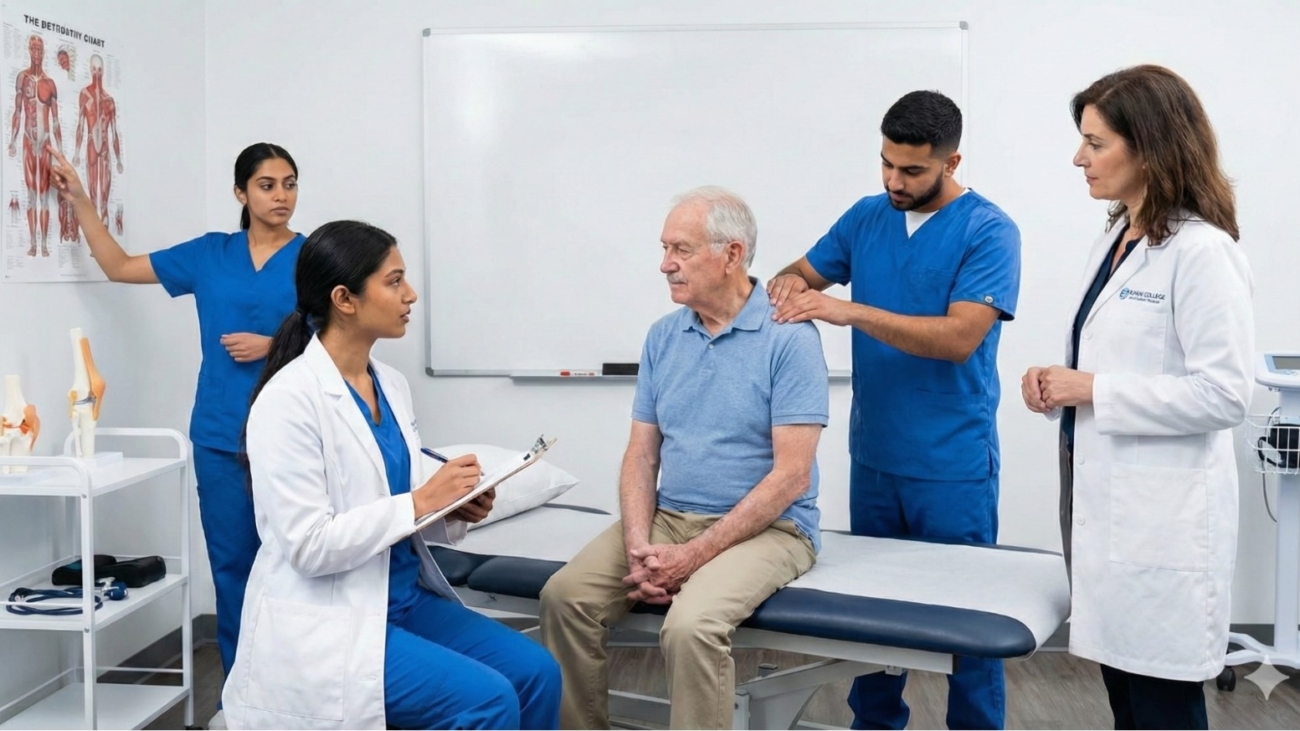
Reputable acupuncture certification Ontario programs include extensive student clinic hours. These supervised sessions help you build confidence, communication skills, and proper technique.

If you plan to practise in busy Toronto neighbourhoods, hands on experience with diverse cases is especially valuable. Patients in East York may seek acupuncture for sports injuries, stress, chronic pain, or fertility support. Exposure to different cases during training gives you a stronger foundation.

Consider Career Goals Early

Before enrolling, think about your long term acupuncture career Ontario plans.

Do you want to:

  • Open a private clinic?
  • Join a multidisciplinary wellness centre?
  • Specialize in women’s health or sports therapy?

Understanding your goals helps you choose a program that aligns with your interests. Some schools emphasize broader holistic medicine Ontario education, while others focus more strictly on acupuncture techniques.

If you’re interested in broader complementary therapy training, look for programs that integrate herbal medicine, cupping, or nutrition education.

Evaluate Campus Environment and Support

Visit the school if possible. Pay attention to:

  • Class size
  • Instructor experience
  • Cleanliness of training rooms
  • Student support services

A supportive learning environment makes a demanding program much more manageable. Smaller classes often allow for better supervision during needling practice.

If you’re commuting from East York, consider travel time. Winter driving and transit delays are part of Ontario life, so location matters more than you might think.

Understand the Investment

Tuition for acupuncture programs can vary significantly. Ask for a clear breakdown of fees, including:

  • Equipment costs
  • Textbooks
  • Exam preparation
  • Licensing exam fees

This helps you budget properly and avoid surprises.

Final Thoughts

Enrolling in acupuncture schools Ontario is a serious commitment, both financially and professionally. With the growing interest in natural health services across Toronto and East York, trained practitioners are in demand, but proper education is key.

Take time to compare programs, confirm accreditation, review clinical hours, and align your choice with your long term goals. A well chosen acupuncture course Ontario can set you up for a rewarding career in one of Ontario’s expanding wellness fields.

image

How to Choose the Registered Massage Therapist (RMT) Program in Ontario

If you’re considering a career in massage therapy, you’re stepping into one of Ontario’s steadily growing healthcare fields. In communities like East York, wellness clinics, chiropractic offices, and rehab centres regularly hire trained professionals. But before you get there, choosing the right registered massage therapist program Ontario is the most important decision you’ll make.

Not all programs are created equal, and a little research now can save you major headaches later.

Understand Ontario’s Licensing Requirements

In Ontario, you cannot practise legally without completing an approved RMT course Ontario and passing certification exams regulated by the College of Massage Therapists of Ontario (CMTO).

Before enrolling, confirm:

  • The program is accredited
  • It meets provincial hour requirements
  • It prepares students for licensing exams
  • It offers proper clinical training

A reputable massage therapy school Ontario will clearly outline this information. If details feel vague, that’s usually a sign to look elsewhere.

Review the Curriculum Carefully

Massage therapy is hands on, but it is also clinical. A strong RMT training Ontario program balances theory and practice.

Core Subjects That Matter

A quality RMT diploma Ontario should include:

  • Anatomy and physiology
  • Pathology
  • Assessment and treatment planning
  • Ethics and professional standards
  • Hands on clinical massage techniques

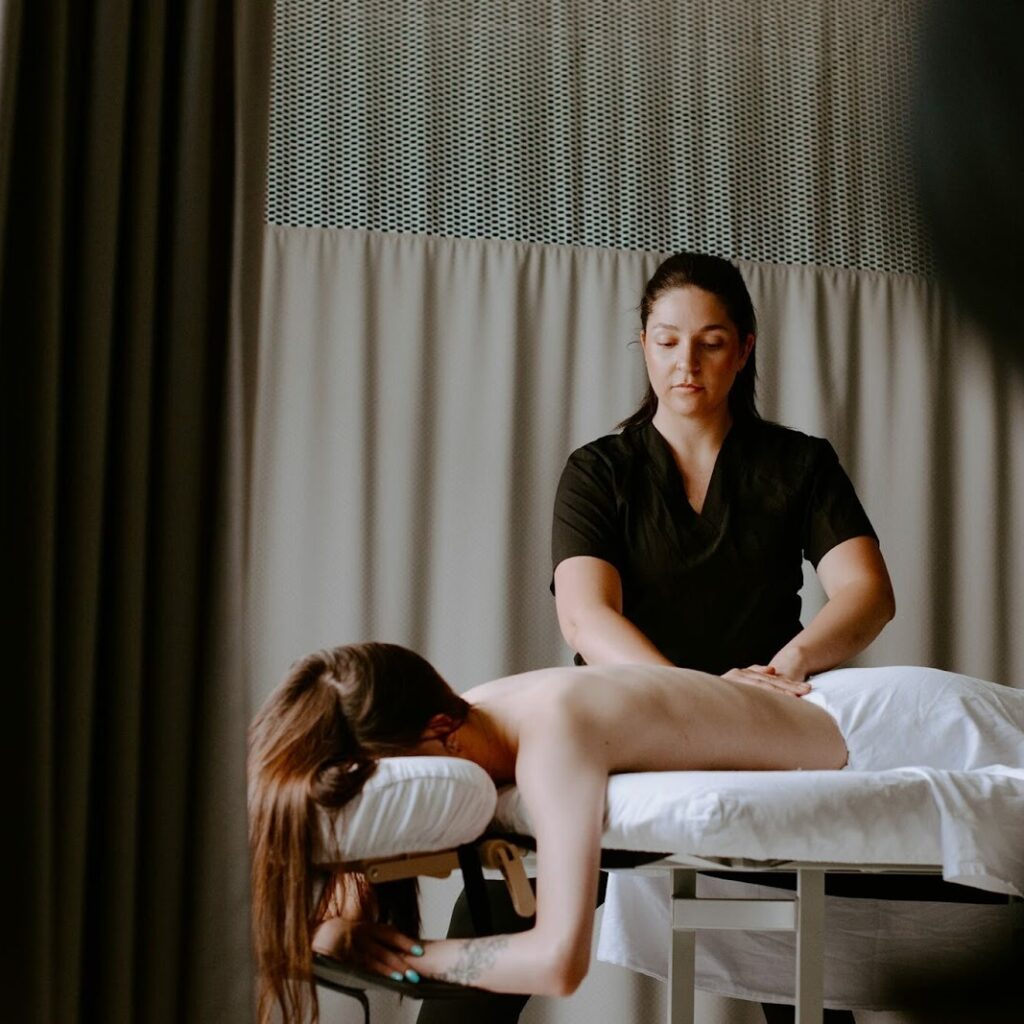
In areas like East York, therapists regularly treat office workers with posture related pain, athletes with sports injuries, and seniors managing chronic stiffness. A program that includes clinical massage therapy Ontario training ensures you’re prepared for real clients, not just classroom demonstrations.

Look at Clinical Placement Opportunities

This is where your confidence builds. This programs offer structured student clinics or partnerships with local wellness centres.

Ask how many supervised hours are included. Real world exposure helps you develop communication skills, assessment techniques, and professional conduct. It also prepares you for working in multidisciplinary settings, which are common across Toronto and East York.

Strong massage certification Ontario programs emphasize practical learning just as much as textbook knowledge.

Consider Career Support

You’re not just earning a diploma. You’re building a career.

Reputable schools support massage therapy careers Ontario by offering:

  • Resume and interview preparation
  • Business management basics
  • Networking events
  • Job placement guidance

In competitive urban areas, connections matter. Schools with strong industry ties can give you a real advantage.

Evaluate Class Size and Learning Environment

Massage therapy requires supervision and feedback. Smaller class sizes often allow instructors to correct technique properly and provide personalized guidance.

When visiting a campus, pay attention to:

  • Clean treatment rooms
  • Modern equipment
  • Instructor experience
  • Overall professionalism

A positive environment makes a big difference during a demanding program.

Think About Schedule and Location

Many students balance work, family, and school. Some RMT course Ontario options offer evening or weekend classes.

If you’re living in East York or nearby, commuting convenience also matters. Ontario winters are no joke, and a manageable travel distance makes the experience much smoother.

Align the Program With Your Long-Term Goals

Massage therapy fits into the broader wellness program Ontario landscape. Some graduates work in clinics. Others open private practices or specialize in sports therapy or rehabilitation.

Ask yourself:

  • Does this school prepare me for licensing success?
  • Will I feel confident treating real clients?
  • Does the training reflect current industry standards?

Final Thoughts

Choosing the right registered massage therapist program Ontario is about more than tuition fees. It’s about accreditation, clinical experience, instructor quality, and career readiness.

In communities like East York, demand for qualified RMTs continues to grow. By comparing your options carefully and asking the right questions, you can choose a program that sets you up for long term success in Ontario’s expanding massage therapy field.

Learn how anatomy importance in manual therapy directly impacts patient outcomes across massage therapy, osteopathy, and hands-on healthcare careers.

Why Anatomy Knowledge Is the Foundation of Successful Manual Therapy Outcomes

Manual therapies such as massage therapy and osteopathy rely heavily on understanding the human body. Every movement, technique, and treatment decision is guided by anatomy. This is why anatomy importance in manual therapy plays such a critical role in real-world patient care. When therapists understand how muscles, joints, and tissues connect and function, treatments become safer, more effective, and more personalized. At Ruhani College, anatomy is treated as a core subject because it directly affects how students perform in clinical environments and how patients respond to care.

Understanding the Role of Anatomy in Manual Therapy

Manual therapy focuses on improving movement, easing pain, and supporting body balance. Without clear anatomical knowledge, treatments can lack direction and safety. The anatomy importance in manual therapy becomes clear when therapists must identify structures accurately, understand movement patterns, and recognize how one area of the body can influence another. Knowledge of functional anatomy healthcare helps therapists adapt their approach based on each patient’s needs instead of following fixed routines.

Applied Anatomy in Everyday Clinical Practice

Learning applied anatomy for therapists helps students move beyond memorization and into real-world application. It teaches how muscles respond to pressure, how joints move through different ranges, and how posture affects pain and function. This practical understanding strengthens decision-making and highlights the true anatomy importance in manual therapy, allowing therapists to modify techniques safely while responding to patient feedback during treatment sessions.

Anatomy in Massage Therapy Practice

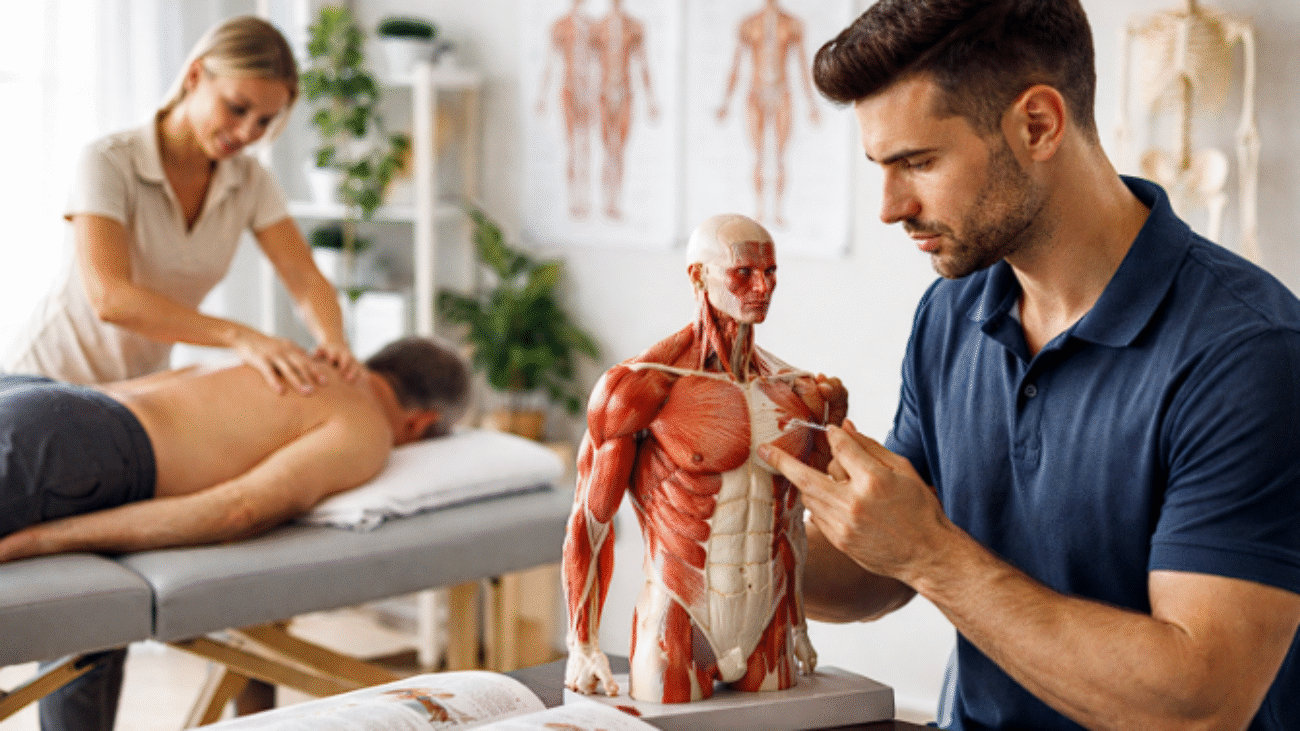
In anatomy in massage therapy practice, anatomy guides hand placement, pressure depth, and treatment flow. When therapists understand muscle layers, nerve locations, and tissue direction, sessions become more accurate and comfortable for patients. This accuracy improves outcomes and reduces discomfort, reinforcing why anatomy importance in manual therapy is essential for building trust and delivering effective care.

Anatomy Training for Osteopathy Students

For anatomy for osteopathy students, anatomy forms the base of assessment and treatment planning. Osteopathy views the body as an interconnected system, making anatomical understanding even more important. Strong anatomy knowledge improves assessment accuracy, helps identify restrictions, and supports better clinical reasoning, clearly demonstrating the ongoing anatomy importance in manual therapy within osteopathic practice.

How Anatomy Knowledge Improves Patient Outcomes

Clear anatomy knowledge clinical outcomes are seen when therapists choose the correct techniques, avoid sensitive structures, and adjust treatments safely. Patients recover faster and feel more confident when therapists show precision and understanding. This direct link between knowledge and results highlights the long-term anatomy importance in manual therapy across all hands-on healthcare roles.

Anatomy and Preventive Healthcare Thinking

Anatomy knowledge supports early intervention and injury prevention. Therapists who understand body mechanics can guide patients before issues become severe, which aligns closely with preventive healthcare careers Canada, where professionals focus on long-term wellness rather than symptom-based treatment. Strong anatomy education supports this preventive mindset and strengthens the role of manual therapy within modern healthcare systems.

Learning Anatomy in Healthcare Diploma Programs

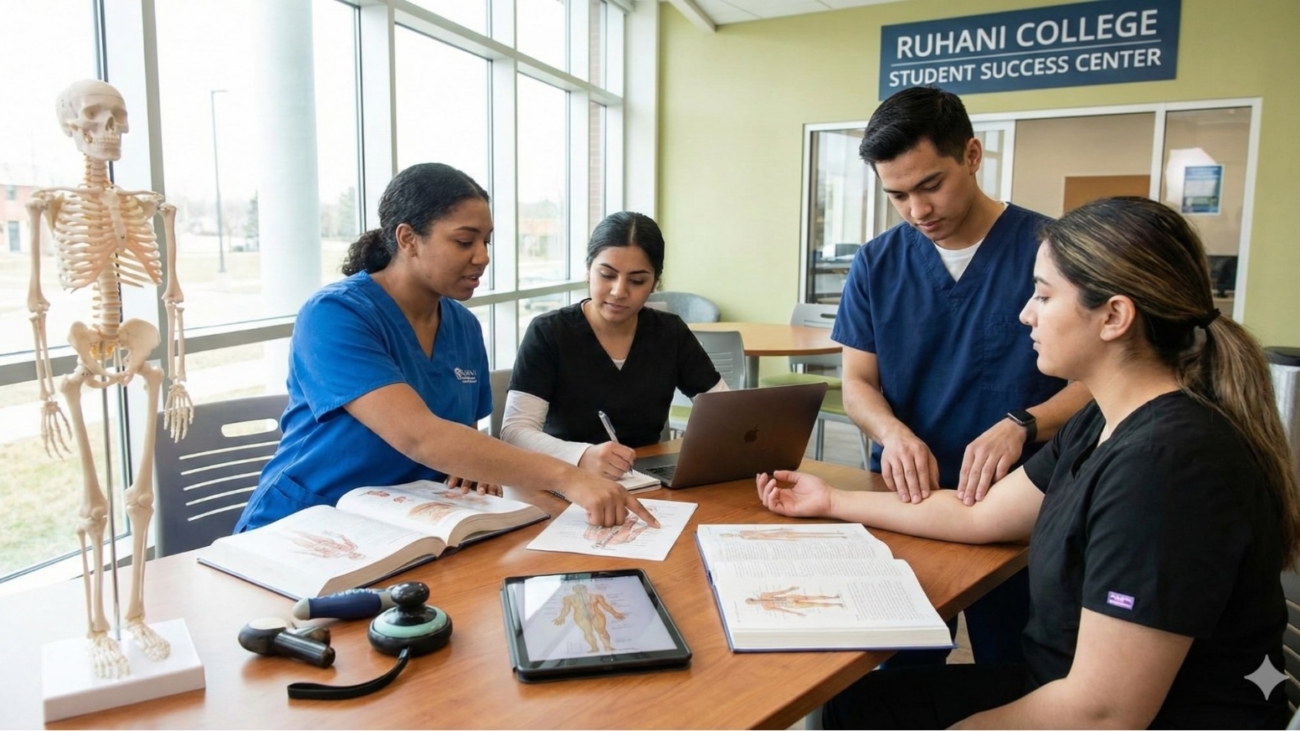
An anatomy learning healthcare diploma teaches anatomy step by step through visuals, labs, and hands-on practice. This approach helps students connect theory with real patient scenarios and improves long-term understanding. Programs at Ruhani College emphasize anatomy because it builds confidence, safety awareness, and professional readiness, reinforcing the real-world anatomy importance in manual therapy.

Anatomy Knowledge Across Healthcare Careers

Anatomy understanding is valuable beyond manual therapy roles. Students exploring programs such as early childhood education course in ontario benefit from basic anatomy knowledge to support child movement, physical development, and safety. This broader learning shows how anatomy plays a role across different healthcare and education pathways.

Musculoskeletal Anatomy and Movement Analysis

The musculoskeletal anatomy application allows therapists to understand pain patterns, joint limitations, and muscle imbalances more clearly. This knowledge supports better assessments and personalized treatment plans. When movement analysis is guided by strong anatomy understanding, the anatomy importance in manual therapy becomes visible in everyday patient care.

Supporting Care in Community and Support Roles

Students enrolled in Personal Support Worker diploma Ontario programs rely on anatomy knowledge to assist clients safely with movement, transfers, and daily activities. Even in support-based healthcare roles, understanding anatomy reduces injury risk and improves care quality, demonstrating how anatomy importance in manual therapy extends into broader healthcare environments.

Anatomy as a Confidence Builder for Therapists

Therapists with strong anatomy knowledge communicate more clearly with patients. They explain conditions, answer questions confidently, and build trust. This confidence directly reflects the practical anatomy importance in manual therapy during real patient interactions and long-term care relationships.

How Ruhani College Emphasizes Anatomy Education

At Ruhani College, anatomy education goes beyond theory. Students engage in labs, demonstrations, and applied learning that reflect real clinical situations. This structured approach ensures learners understand the real-world anatomy importance in manual therapy before entering professional practice.

Final Thoughts on Anatomy and Patient Outcomes

Anatomy knowledge is the foundation of safe, effective, and confident manual therapy. From assessment to treatment planning, every clinical decision depends on understanding the human body. As healthcare continues to focus on prevention and quality care, the anatomy importance in manual therapy will remain essential for strong patient outcomes. With the right education and guidance from institutions like Ruhani College, students can build anatomy knowledge that supports long-term success and meaningful healthcare careers.


image3

Understanding Healthcare Scope of Practice Across Diploma Programs in Ontario

Choosing a healthcare diploma program is not only about learning skills but also about understanding professional limits and responsibilities. Every healthcare role in Ontario is guided by rules that define what a professional can and cannot do. This is known as the healthcare scope of practice in Ontario, and it plays a critical role in patient safety, legal protection, and professional confidence. At Ruhani College, students are encouraged to understand scope of practice early so they can build safe, ethical, and successful careers.

What Does Scope of Practice Mean in Healthcare

In simple terms, scope of practice defines the tasks, treatments, and decisions a healthcare professional is legally allowed to perform. The healthcare scope of practice Ontario ensures that each professional works within their training and certification. This structure protects patients and maintains trust in the healthcare system. Understanding scope of practice helps students avoid confusion and prepares them for real clinical environments.

Why Scope of Practice Is Important for Students

Students entering healthcare programs often focus on techniques and exams, but understanding scope is equally important. The healthcare scope of practice Ontario helps students know their professional boundaries before they begin clinical work. It also supports ethical decision-making and reduces the risk of legal issues later in practice.

Scope of Practice in Massage Therapy

Massage therapy is a regulated profession in Ontario. The scope of practice RMT Ontario defines what registered massage therapists are allowed to assess and treat. RMTs focus on soft tissue manipulation to improve function, reduce pain, and support wellness. Working outside this scope can create serious legal and professional consequences, which is why scope education is essential.

Students enrolled in the Best Registered Massage Therapist program in Ontario learn these boundaries clearly so they can practice confidently and safely after graduation.

Scope of Practice in Acupuncture

Acupuncture professionals follow strict regulatory standards. The acupuncture scope of practice Ontario outlines how and when acupuncture techniques can be used. These rules ensure patient safety and proper clinical care. Understanding the healthcare scope of practice Ontario helps acupuncture students avoid performing treatments outside their licensed authority.

Scope of Practice in Osteopathy

Osteopathy in Canada follows specific professional guidelines. The osteopathy scope practice Canada focuses on manual assessment and treatment of the musculoskeletal system. Osteopathy students learn how proper assessment supports ethical treatment planning, which connects strongly with osteopathy assessment skills developed during training.

Understanding the healthcare scope of practice Ontario allows osteopathy students to work safely within professional limits.

Regulated Healthcare Professions in Ontario

Ontario has several regulated healthcare professions Ontario, each governed by its own regulatory body. These bodies define education standards, ethical conduct, and scope of practice. The healthcare scope of practice Ontario ensures consistency across professions while allowing each role to serve patients effectively.

Legal and Compliance Responsibilities

Healthcare professionals must follow strict laws and policies. Healthcare compliance rules Ontario guide documentation, consent, treatment standards, and professional conduct. Staying compliant protects both patients and practitioners and reinforces the importance of the healthcare scope of practice Ontario in daily work.

Professional Boundaries and Ethical Practice

Maintaining professional boundaries in healthcare is essential for trust and safety. Scope of practice supports ethical behavior by clearly defining limits. When professionals respect boundaries, they protect their license and maintain strong patient relationships. This is a key part of understanding the healthcare scope of practice in Ontario.

Legal Scope and Career Protection

The legal scope of healthcare careers protects professionals from unintentional misconduct. Practicing within scope reduces legal risk and improves job stability. Students who understand the healthcare scope of practice Ontario early are better prepared for long-term career success.

Scope of Practice and Clinical Assessments

Assessment skills must always align with professional scope. For example, strong osteopathy assessment skills allow practitioners to evaluate patients effectively while staying within ethical and legal limits. This balance between skill and scope defines safe healthcare practice.

Learning Scope of Practice Through Education

Healthcare diploma programs teach scope through theory, case studies, and clinical scenarios. Understanding the healthcare scope of practice Ontario during education helps students transition smoothly into professional roles. At Ruhani College, scope education is integrated into clinical training to ensure clarity and confidence.

Scope Awareness in Acupuncture Training

Students enrolled in acupuncture training courses in Ontario learn how scope affects diagnosis, treatment planning, and patient communication. Clear understanding of scope helps acupuncture professionals work safely within multidisciplinary clinics while respecting other healthcare roles.

Scope of Practice in Multidisciplinary Settings

Many clinics employ multiple healthcare professionals. Understanding the healthcare scope of practice Ontario allows teams to collaborate effectively without overlap or conflict. Clear roles improve patient care and teamwork.

Scope of Practice and Patient Trust

Patients feel safer when professionals work confidently within their defined roles. Respecting scope improves transparency and trust. This trust is built when healthcare providers understand and follow the healthcare scope of practice in Ontario consistently.

How Ruhani College Prepares Students for Scope Awareness

At Ruhani College, students are trained to understand scope as part of professional identity. Through structured learning and practical exposure, students gain clarity on responsibilities and limits. This approach ensures graduates respect the healthcare scope of Ontario and practice ethically.

Final Thoughts on Healthcare Scope of Practice in Ontario

Understanding scope of practice is essential for safe, ethical, and confident healthcare careers. The healthcare scope of practice Ontario defines professional roles, protects patients, and supports long-term career growth. With the right education and guidance from institutions like Ruhani College, students can build strong clinical skills while respecting professional boundaries and legal responsibilities.

image2

Why Communication Skills Are the Foundation of Successful Healthcare Careers

Why Communication Skills Are the Foundation of Successful Healthcare Careers

Healthcare is not only about medical knowledge or technical ability. It is also about how professionals connect with people. Every conversation with a patient, colleague, or family member affects the quality of care. This is why communication skills in healthcare careers are considered just as important as clinical training. Clear, respectful, and confident communication improves patient outcomes and professional growth. At Ruhani College, students are taught that communication is a core skill that supports every healthcare role.

Understanding Communication in Healthcare Practice

In daily practice, healthcare professionals must explain procedures, listen carefully, and respond calmly in stressful situations. Strong communication skills in healthcare careers help reduce misunderstandings and improve cooperation. For students, applying study tips for healthcare diploma students early also improves how they communicate with instructors and peers. Learning healthcare professional soft skills during training prepares students for real-world responsibilities.

Patient Communication and Quality of Care

Effective patient communication healthcare allows professionals to understand symptoms, concerns, and expectations clearly. When patients feel heard, they are more likely to follow care plans and trust the provider. Students who apply study tips for healthcare diploma students often perform better in role-play exercises and patient simulations, which strengthens communication skills in healthcare careers from the learning stage.

Building Trust Through Clear Communication

Trust grows when patients feel respected and understood. Building patient trust in healthcare depends on how clearly professionals explain conditions, answer questions, and show patience. Strong communication habits developed during training and practice reinforce communication skills in healthcare careers and help students move confidently into clinical environments.

Communication Training During Healthcare Education

Healthcare programs focus strongly on communication training healthcare students to prepare them for real interactions. Group discussions, presentations, and simulated patient scenarios help students practice communication in a safe setting. These experiences build confidence and strengthen communication skills in healthcare careers long before students begin working with real patients.

Therapist and Patient Interaction Skills

Strong therapist patient interaction skills help professionals guide patients through treatments clearly and comfortably. Explaining each step and responding to patient feedback improves cooperation and safety. These interactions show how communication skills in healthcare careers directly influence patient comfort and treatment success.

Teamwork and Communication in Healthcare Settings

Healthcare professionals rarely work alone. Effective healthcare teamwork communication ensures smooth coordination between doctors, therapists, nurses, and support staff. Clear communication reduces errors, saves time, and improves patient care. This teamwork highlights the real-world value of communication skills in healthcare careers.

Learning Communication Skills in Pre-Medical Pathways

Students preparing for healthcare careers often start with structured academic programs. Enrolling in a One-year pre-medical program in Ontario helps students develop academic knowledge along with communication abilities. Early exposure to professional communication builds confidence and strengthens communication skills in healthcare careers from the beginning.

Empathy as a Core Communication Skill

Showing care and understanding is a vital part of healthcare work. Empathy in healthcare practice allows professionals to connect emotionally with patients, especially during stressful or painful situations. Empathy supports healing and reinforces the human side of communication skills in healthcare careers.

Communication Skills in Manual and Holistic Healthcare Roles

Hands-on healthcare fields require close interaction with patients. Programs such as Manual Osteopath Certification in Ontario emphasize explaining procedures clearly and ensuring patient comfort during treatment. These environments show how communication skills in healthcare careers support trust, consent, and safety.

Communication Skills and Professional Growth

Strong communication supports career advancement and leadership. Professionals who communicate clearly build better relationships with colleagues and patients. This ongoing development reinforces communication skills in healthcare careers throughout long-term practice.

How Ruhani College Supports Communication Development

At Ruhani College, communication is treated as a professional skill, not an optional one. Through presentations, practical exercises, and real-world learning, students build clarity and confidence. This approach ensures graduates understand the lasting importance of communication skills in healthcare careers across all healthcare paths.

Final Thoughts on Communication in Healthcare Careers

Strong communication shapes every part of healthcare practice, from patient trust to teamwork and career growth. By developing effective communication skills in healthcare careers, students prepare themselves for meaningful and successful work. With the right training, practice, and guidance from institutions like Ruhani College, future healthcare professionals can turn communication into one of their strongest professional assets.

WhatsApp Image 2025-12-18 at 3.45.58 PM (2)

Top Study Strategies for Success in Massage Therapy, Acupuncture, and Osteopathy Programs

Studying in a healthcare diploma program can be both exciting and challenging, as massage therapy, acupuncture, and osteopathy programs require strong focus, hands-on learning, and good time management. This is why following the right study tips for healthcare diploma students can make a big difference. With proper planning and simple strategies, students can manage their workload, reduce stress, and perform better in both theory and practical exams, and at Ruhani College, students are guided to build smart study habits that support long-term success across healthcare programs.

Understanding the Demands of Healthcare Diploma Programs

Healthcare diploma programs are different from regular classroom-based courses. Students must balance theory classes, lab sessions, and practical training. Applying proven study tips for healthcare diploma students helps learners stay organized and focused throughout the program. Using healthcare diploma focus strategies early allows students to stay consistent and avoid last-minute stress.

Creating a Study Plan That Works

One of the most effective study tips for healthcare diploma students is creating a realistic and flexible study schedule. Following the best study schedule for practical programs means planning around labs, clinics, and rest time. This structure also supports exam preparation for medical diploma programs, where content builds over time and requires regular revision.

Preparing for Massage Therapy Exams

Massage therapy programs require strong understanding of anatomy and hands-on techniques. Learning how to study for RMT exams involves regular review, practical repetition, and understanding assessment methods. Students enrolled in the Best Registered Massage Therapist program in Ontario often succeed by combining classroom learning with hands-on practice, which strengthens confidence and performance.

Building Strong Study Habits in Acupuncture Programs

Acupuncture programs require detailed memorization and consistent practice. Following an acupuncture school study plan helps students manage theory, point location, and treatment concepts effectively. Students preparing for advanced healthcare education, including Pre medical courses in Ontario, often use similar study routines, showing how strong study tips for healthcare diploma students apply across disciplines.

Staying Organized in Osteopathy Studies 

Osteopathy students benefit from structure and repetition. Using an osteopathy student study guide helps learners organize topics such as anatomy, palpation, and movement assessment. Applying daily study tips for healthcare diploma students helps osteopathy students connect theory with clinical labs more easily.

Memorizing Anatomy the Smart Way

Anatomy is a major part of healthcare education. One of the most useful study tips for healthcare diploma students is memorizing anatomy effectively through diagrams, models, repetition, and group discussion. Simple learning tools reduce stress and improve long-term memory.

Using Clinical Labs to Improve Learning

Clinical labs are where theory becomes practice. Following clinical lab study tips such as preparing before labs and practicing regularly helps students gain confidence. These habits also support preparing for practical skills exams, which are a key part of healthcare diploma programs.

Avoiding Common Study Mistakes

Many students struggle because of avoidable habits. Understanding study mistakes to avoid in healthcare programs helps learners stay focused and productive. Skipping revision, cramming, and ignoring weak areas can hurt progress. Consistency remains one of the most important study tips for healthcare diploma students.

Linking Study Habits to Career Goals

Good study habits support long-term career success. Some students plan careers beyond clinical roles, including launching your wellness business RMT acupuncturist in the future. Strong study discipline today builds confidence and knowledge needed for professional growth, reinforcing the value of effective study tips for healthcare diploma students.

Learning Better Through Group Study

Studying with classmates improves understanding and motivation. Group discussions help clarify complex topics and build teamwork skills. Sharing study tips for healthcare diploma students with peers also creates a supportive learning environment.

Managing Stress and Maintaining Balance

Healthcare programs are demanding, so balance is important. Rest, healthy routines, and time management improve focus and performance. These habits are often overlooked but remain essential study tips for healthcare diploma students.

Preparing for Life After Graduation

Good study habits prepare students not only for exams but for real-world practice. They support confidence, adaptability, and even future plans like launching your wellness business RMT acupuncturist. Students who follow strong study tips for healthcare diploma students transition more smoothly into clinics, advanced education, or business paths.

How Ruhani College Supports Student Success

Ruhani College focuses on practical education and student support. Through structured learning, hands-on training, and guidance from experienced instructors, students are encouraged to apply effective study tips for healthcare diploma students throughout their programs, helping them build confidence and career readiness.

Final Thoughts on Studying Smart in Healthcare Programs

Success in massage therapy, acupuncture, and osteopathy programs depends on planning, consistency, and the right mindset. By following proven study tips for healthcare diploma students, learners can manage their workload, perform well in exams, and feel confident in practical settings. With structured guidance, hands-on training, and academic support from Ruhani College, students are better prepared to stay focused, build strong study habits, and turn their education into meaningful and successful healthcare careers.

WhatsApp Image 2025-12-18 at 3.45.56 PM (1)

How Manual Osteopathy Students Can Excel in Patient Assessment and Case History Taking

Patient assessment is the foundation of manual osteopathy. Before any treatment begins, a practitioner must understand the patient’s body, health history, and current concerns. This is why osteopathy assessment skills play a central role in a student’s learning journey. Strong assessment helps students move from classroom theory to real clinical confidence. At Ruhani College, osteopathy students are guided step by step to develop assessment skills that reflect real-world practice.

Why Assessment Skills Matter in Manual Osteopathy

Manual osteopathy is based on understanding how the body works as a whole system. Without proper evaluation, treatment decisions can be unclear. This is why osteopathy assessment skills are among the most important abilities students must develop early in their training.Good assessment helps identify movement restrictions, tissue tension, and postural imbalance. Strong osteopathy assessment skills lead to safer care, better treatment results, and stronger patient trust.

Learning Patient Assessment Step by Step

For beginners, patient assessment for osteopathy students starts with observation. Students learn how to assess posture, walking patterns, and body alignment. These early steps help them understand how one issue may affect multiple areas of the body.As training progresses, osteopathy assessment skills improve through structured physical checks, listening skills, and guided questioning. These basics create a strong foundation for clinical confidence.

The Importance of Case History Taking

Collecting accurate information is critical. Learning clinical case history osteopathy methods teaches students how to understand a patient’s lifestyle, injuries, work habits, and stress levels.Strong communication supports strong osteopathy assessment skills. Clear case histories allow students to plan safe, personalized treatments.

Palpation and Hands-On Learning

Palpation is a core osteopathic skill. Through manual osteopathy palpation training, students learn to feel muscle tone, tissue texture, and movement patterns.Hands-on practice strengthens osteopathy assessment skills and helps students trust their clinical judgment. Over time, palpation becomes an essential part of assessment thinking.

Musculoskeletal Assessment and Movement Testing

Understanding joint motion and muscle behavior is essential. Musculoskeletal assessment skills Ontario training helps students identify movement limits and functional problems.When students practice joint testing and movement analysis, their osteopathy assessment skills improve and their treatment planning becomes more precise.

Preparing for Clinical Exams

Many students feel pressure during evaluations. Osteopathy student clinical exams test assessment accuracy, communication, and professionalism.Students with strong osteopathy assessment skills feel more confident because they follow a clear assessment structure. Regular practice and feedback help reduce exam stress.

Soft-Tissue Assessment Techniques

Through soft-tissue assessment techniques, students learn how fascia and muscles respond to strain and injury. These techniques help locate tension and mobility limits.Improving osteopathy assessment skills in soft tissue evaluation allows treatments to be more targeted and effective.

Documentation and Clinical Notes

Professional practice requires accurate records. Osteopathy case documentation tips teach students how to write clear and useful clinical notes.Strong osteopathy assessment skills include proper documentation so patient progress can be monitored safely and clearly.

Becoming Job-Ready Through Assessment Training

Employers expect graduates to assess patients independently. Becoming job-ready manual osteopath training focuses heavily on assessment accuracy and professionalism.Students with confident osteopathy assessment skills transition smoothly into clinics and wellness centers.

Hands-On Clinical Practice Experience

Developing hands-on osteopathy examination skills requires real patient interaction under supervision. Student clinics and lab sessions help bridge theory and practice.Each clinical session strengthens osteopathy assessment skills through exposure to real conditions and patient needs.

Structured Learning Through Diploma Modules

Programs include osteopathy diploma assessment modules that gradually build skills through theory, demonstrations, and supervised practice.At Ruhani College, these modules ensure students develop osteopathy assessment skills without feeling overwhelmed.

Learning Across Healthcare Disciplines

Many osteopathy students explore other wellness fields to broaden their understanding of assessment methods. Learning about Acupuncture Certification in Ontario helps students see how detailed patient evaluation and case history taking are applied across holistic care approaches.This wider exposure strengthens osteopathy assessment skills and improves clinical reasoning.

Understanding Assessment in Massage Therapy Education

Assessment methods used in RMT training courses in Ontario offer valuable insight into structured evaluation, palpation accuracy, and professional documentation. Observing how massage therapy programs teach assessment helps osteopathy students refine their own approach and improve clinical confidence.This shared learning supports long-term success in multidisciplinary clinic environments.

Building Transferable Clinical Confidence

Many practical abilities developed during massage therapy education also support osteopathy training. Concepts such as skills RMT student should master, including communication, client interaction, and hands-on awareness, often help osteopathy students improve accuracy, professionalism, and trust during patient assessments.

Final Thoughts on Mastering Osteopathy Assessment Skills

Patient assessment is the foundation of safe and effective osteopathic care. With regular practice, structured guidance, and real clinical exposure, students can build lasting confidence in evaluation and case history taking. Institutions like Ruhani College support this growth through hands-on training, strong clinical structure, and continuous feedback. As healthcare continues to evolve, strong osteopathy assessment skills will remain essential for students who want to succeed, earn patient trust, and grow into confident manual osteopathy practitioners.

WhatsApp Image 2025-12-18 at 3.45.57 PM (1)

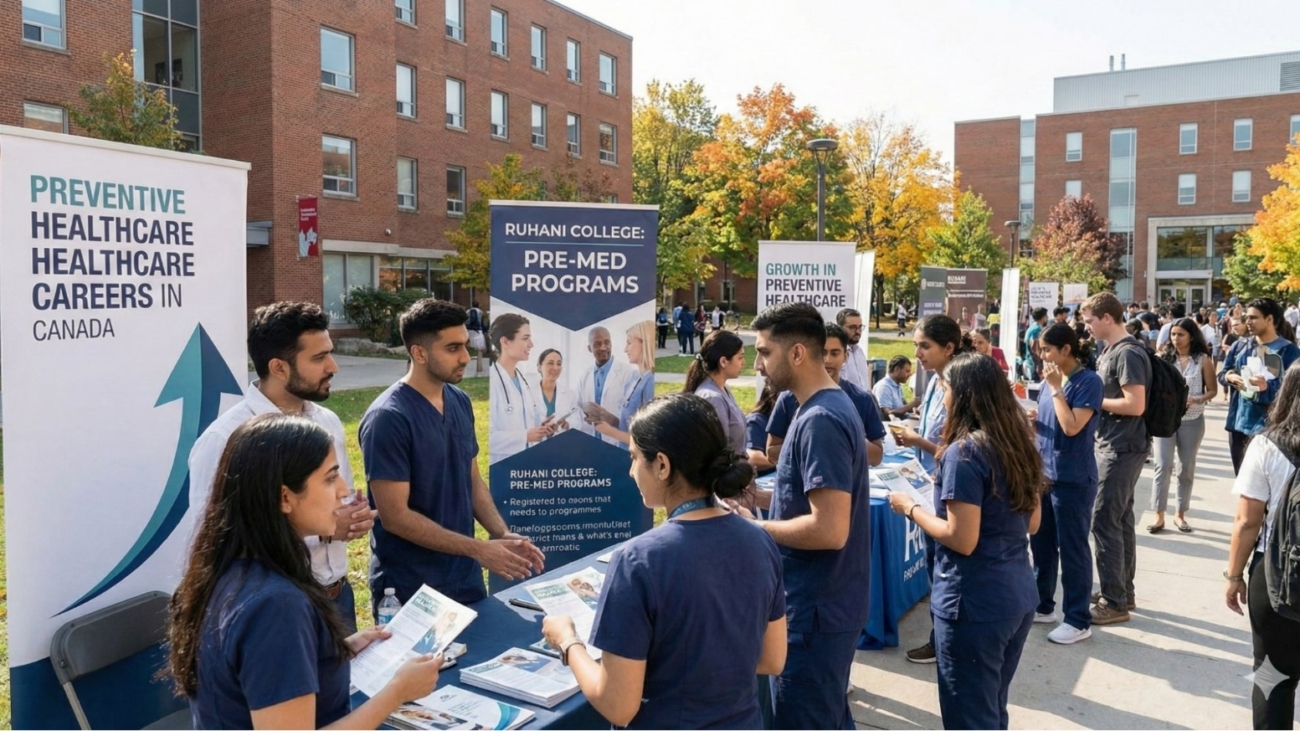
The Rise of Preventive Healthcare Careers in Canada and Why Pre-Med Graduates Are in High Demand

Healthcare in Canada is changing quickly. Instead of only focusing on treating illness, the system is now giving more importance to prevention, early care, and long-term wellness. This shift has created strong growth in preventive healthcare careers Canada, making Pre-Med graduates more valuable than ever. Hospitals, clinics, public health units, and wellness organizations are all looking for professionals who understand prevention and population health.At Ruhani College, many students preparing for medical and healthcare careers are choosing Pre-Med programs because they open doors to preventive healthcare careers Canada and beyond.

Why Preventive Healthcare Is Becoming a Priority

Rising healthcare costs, chronic illness, and an aging population have pushed Canada to rethink how care is delivered. Preventive care focuses on reducing risk before illness becomes serious. This approach improves quality of life and reduces pressure on hospitals.Because of this shift, preventive healthcare careers Canada are expanding across many healthcare sectors. This growing interest answers the common question of why study preventive healthcare, especially for students who want long-term impact.

How Pre-Med Education Supports Preventive Medicine

The Pre-Med pathway to preventive medicine gives students a strong foundation in biology, health sciences, and patient awareness. Pre-Med students learn how diseases develop, how lifestyle affects health, and how early action can prevent long-term problems. These skills directly support preventive healthcare careers Canada.Pre-Med education also plays an important role in medical school preparation through preventive care, helping students stand out with a broader understanding of healthcare systems.

Career Opportunities in Ontario and Across Canada

There are many preventive care career opportunities Ontario offers for Pre-Med graduates. These include roles in public health departments, research organizations, wellness clinics, healthcare planning teams, and community programs.Across the country, preventive healthcare careers Canada are growing in both urban and rural areas as governments and private organizations invest more in early intervention and health education.

Public Health and Community-Focused Roles

Many students explore public health careers for Pre-Med students, where they work on disease prevention, health education, vaccination planning, and community wellness programs. These roles are a major part of preventive healthcare careers Canada and allow professionals to make a wide impact.Some students also explore related programs like early childhood education course in ontario, where early prevention and health awareness begin at a young age and support lifelong wellness.

Skills Needed for Preventive Healthcare Careers

Success in preventive healthcare careers Canada depends on a mix of science knowledge and communication skills. Learning the top preventive health skills to learn such as data analysis, patient education, risk assessment, and teamwork helps professionals guide individuals and communities toward better health.These skills are useful across many healthcare fields, including therapy and rehabilitation programs like the Best Registered Massage Therapist program in Ontario, which also focuses on injury prevention and long-term care.

Gaining Experience Before Medical School

Many students look for Pre-Med jobs before medical school to gain hands-on experience. These roles include research assistants, clinic coordinators, public health aides, and wellness program assistants. These positions support preventive healthcare careers Canada while helping students build strong resumes.Early work experience also helps students understand real-world healthcare environments and patient needs.

Preventive Healthcare Diplomas and Certifications

As demand increases, more institutions are offering focused programs such as preventive healthcare diploma Ontario options. These programs allow students to work directly in prevention-focused roles without entering medical school immediately.Graduates from these pathways contribute significantly to preventive healthcare careers Canada, especially in community health and wellness planning.

Preventive Care and Allied Health Professions

Preventive healthcare works closely with allied health fields. Many professionals combine knowledge across disciplines. Understanding how RMT training prepares for practice shows how early intervention can prevent chronic pain and long-term injury.This connection strengthens health sciences careers in Canada and creates flexible career paths for graduates interested in prevention and rehabilitation.

The Future of Preventive Medicine in Canada

The future of preventive medicine in Canada looks strong. Healthcare policies, insurance providers, and technology are all supporting early care and wellness planning. Data-driven healthcare, patient education, and community-based programs are shaping the next generation of preventive healthcare careers in Canada.This growth offers stability, career satisfaction, and long-term opportunities for trained professionals.

How Ruhani College Supports Preventive Career Paths

Ruhani College encourages students to think beyond traditional healthcare roles. Through strong Pre-Med education, students gain the foundational knowledge needed for preventive healthcare careers Canada, public health roles, and allied health pathways.By focusing on academic strength, practical exposure, and career readiness, Ruhani College helps students prepare for healthcare careers that focus on prevention, education, and long-term impact.

Final Thoughts on Preventive Healthcare Careers

The healthcare industry is moving toward prevention, education, and long-term wellness. This shift has created strong demand for skilled professionals trained through Pre-Med pathways, and institutions like Ruhani College help prepare students with the foundational knowledge needed for this evolving healthcare model. As healthcare continues to grow and adapt, preventive healthcare careers Canada will remain essential to building a healthier population.

For students who want purpose, stability, and real impact, preventive healthcare offers a future where knowledge truly makes a difference and early preparation leads to meaningful, long-term careers.

launching your wellness business RMT acupuncturist

Launching Your Own Wellness Business: From RMT or Acupuncturist to Clinic Owner

Starting your own clinic is a dream for many Registered Massage Therapists and Acupuncturists. Whether you imagine a calm treatment space or a multi-room clinic with a busy client flow, everything begins with planning, confidence, and understanding how launching your wellness business RMT acupuncturist truly works. With the wellness industry growing quickly in Ontario, now is one of the best times to begin this exciting path. Many students at Ruhani College often ask how they can move from student life to clinic ownership, so this guide makes the journey easier to understand.

Building the Right Vision for Your Future Clinic

The first step in launching your wellness business, RMT acupuncturist is having a clear vision. You need to think about what kind of space you want, what type of clients you want to serve, and what services you will offer. Without a vision, it becomes difficult to make good decisions. A clear direction helps you take steady steps and reduces the stress of starting a business.

Some students planning their future also look at other study paths, such as early childhood education course in Ontario, which shows how different fields require similar long-term planning and commitment.

Understanding Business Setup Basics

Before opening a clinic, you must understand business setup for RMTs. This stage includes choosing a name, selecting a business structure, applying for any licences, and learning about insurance. These tasks may feel confusing at first, but they are essential parts of launching your wellness business RMT and acupuncturist. Acupuncturists often follow an acupuncturist private practice guide, while RMTs follow CMTO regulations. Starting properly saves you time, money, and future problems.

Following Legal and Licensing Requirements

Once the foundation is planned, the next step in launching your wellness business RMT acupuncturist is handling legal and licensing RMT clinic Ontario requirements. These rules include zoning, health standards, municipal permits, and clinical safety expectations. Acupuncturists must also follow regulations from their college. Staying compliant avoids penalties and builds trust with clients.

Some owners stay informed about related wellness fields like osteopathy for chronic pain Ontario, because clients often ask how different therapies work together.

Designing a Comfortable and Professional Clinic Space

Clinic design wellness practice planning plays a major role in shaping your brand. Your space should feel clean, calm, and welcoming. Clients judge a clinic by atmosphere as much as by service quality. A good design improves comfort and supports the professional image you want to build. This is why creating a strong environment is another key part of launching your wellness business, RMT acupuncturist. Thoughtful design also helps clients relax and trust your care.

Marketing Your Clinic for Visibility and Success

Marketing for wellness clinic setups helps you get your first clients and build steady growth. You can use social media, referral programs, Google Business Profile, community events, and simple educational posts. Each effort helps your name reach more people. Strong marketing is essential in launching your wellness business RMT acupuncturist, because clients need to know you exist before they can book an appointment.

Educational content also helps when clients search for services like osteopathy for chronic pain Ontario, massage therapy, acupuncture, and pain relief treatment.

Building a Strong Client Base and Good Relationships

Client acquisition RMT/acu strategies include offering introductory packages, loyalty rewards, or community workshops. These help you build your first client base. Good communication, empathy, and consistent service quality keep clients returning. Building trust is a powerful part of launching your wellness business RMT acupuncturist because a strong client base supports long-term stability.

Some professionals also study topics like ECA course in Ontario, since understanding people and communication helps in every client-centered field.

Managing Your Wellness Team as You Grow

Once your clinic grows, managing a wellness team becomes part of daily operations. You might hire additional RMTs, acupuncturists, or front-desk staff. Leadership skills help your clinic stay organized and positive. Managing people requires patience, communication, and clear expectations. This is an important step in launching your wellness business RMT acupuncturist, especially as demand increases.

Managing Finances with Confidence

Financial management wellness business skills help you maintain stability. You need to organize expenses, manage treatment pricing, track appointments, and plan for taxes. Strong financial habits protect your business and help you focus on client care. Understanding finances is a major part of launching your wellness business RMT acupuncturist, because good money management builds long-term sustainability.

Planning for Future Growth

Growth strategies RMT help you expand your clinic over time. You can add new services, partner with other therapists, introduce workshops, or create wellness packages. Growth allows you to reach new communities and strengthens your brand. This stage becomes exciting for anyone launching your wellness business RMT acupuncturist, because it turns your small clinic into a larger, more stable practice.

Creating Your Post-Graduation Business Path

Many future RMTs and acupuncturists think about business even before finishing school. Post-graduation business path wellness planning helps you feel ready once you become licensed. Making a plan during school makes launching your wellness business RMT acupuncturist easier because you already understand what steps to take after graduation.

Schools like Ruhani College support students who want to move into business, helping them gain practical and professional confidence.

Final Thoughts: Turning Your Business Dream Into Reality

Owning a wellness clinic is a rewarding goal for any RMT or acupuncturist. When you learn the correct steps, launching your wellness business RMT acupuncturist becomes an achievable and exciting journey. From legal setup to marketing, client building, finances, and long-term growth, every part plays a role in shaping your success, and guidance from institutions like Ruhani College can make this path even clearer.

If you dream of creating a space where clients feel better, heal faster, and trust your care, then your journey toward clinic ownership can begin today.


skills RMT student should master

Top Skills RMT Students Must Master Before Starting Clinical Practice

Becoming a successful Registered Massage Therapist takes more than learning techniques. It requires confidence, understanding, real-world practice, and emotional readiness. This is why there are certain skills RMT student should master long before stepping into a clinic or writing the licensing exam. As students progress through their training at colleges like Ruhani College, each skill becomes a stepping stone toward working professionally in Ontario’s massage therapy industry.

Below are the top ten skills RMT student should master to feel fully prepared for graduation and confident to start their career.

Strong Knowledge of Human Anatomy

Understanding anatomy for RMTs is the first major skill. Knowing where muscles attach, how joints move, and how nerves function helps therapists make safe clinical decisions. This is one of the key skills RMT student should master because every treatment is based on anatomical understanding. Anatomy also supports real assessment work, injury understanding, and proper pressure application.

Some students who explore body-based careers also research topics like Osteopathic Manual Practice Ontario, which helps them see how different manual therapy fields approach human anatomy.

Client Assessment and Interviewing Skills

Knowing how to assess clients sets the foundation for treatment planning. This makes client assessment RMT abilities one of the most important skills RMT student should master. Written assessments, movement testing, palpation, and client history discussions help therapists identify concerns and create safe plans. These skills also support long-term relationships with clients because good assessment builds trust.

Good assessment habits also help students when exploring complementary fields such as acupuncture career in Ontario, where clear evaluation is equally important.

Deep Tissue and Trigger Point Techniques

Every student must practice deep tissue and trigger point techniques until they feel comfortable, confident, and consistent. These techniques are part of the essential skills RMT student should master because most clients request pain relief, tension release, and mobility improvement. Deep tissue techniques also help students understand pressure control, body mechanics, and safe application.

Sports Massage Techniques and Movement Knowledge

Sports massage skills RMT training teaches students how to work with athletes, active clients, and injury recovery patients. This is another major skill set that contributes to the overall skills RMT student should master. Sports massage involves faster movements, stretching, deeper pressure, and pre-event or post-event routines. Even students who do not plan to work with athletes benefit from this training because it sharpens technique and boosts confidence.

Clinical Practice Habits and Professional Behaviour

Clinical practice RMT training helps students understand time management, creating treatment plans, draping, note-taking, and maintaining a professional environment. This forms part of the day-to-day skills RMT student should master to operate smoothly in real clinics. It also prepares them for working with different personalities, scheduling systems, and workplace expectations.

Students who want to expand future opportunities sometimes look at programs like Osteopath training programs in Ontario, which also value professionalism and patient-centered care.

Understanding Ethics and Professional Boundaries

Ethics in massage therapy is one of the most essential skills RMT student should master. It teaches students how to handle sensitive situations, protect client confidentiality, communicate with honesty, and maintain safe boundaries. Clients trust RMTs with their bodies, emotions, and personal information. Ethical behaviour is necessary to keep that trust strong throughout a therapist’s career.

Business Skills for Long-Term Career Success

Business skills for RMTs often get overlooked, but they play a big role in career growth. Many therapists eventually open private practices, join wellness centers, or work as independent contractors. Understanding pricing, marketing, scheduling, and client communication is therefore another important part of the skills RMT student should master.

A therapist who understands business basics can build a stable and successful future, whether they work in a clinic or operate independently.

Preparing for the RMT Licensing Exam

RMT exam preparation teaches students how to organize their knowledge, practice case studies, write assessments, and stay calm under pressure. Since the exam includes both written and practical components, this becomes a crucial part of the skills RMT student should master before graduation. Students who prepare well often feel more confident stepping into their new professional roles.

Some students also take additional training to widen their career, such as exploring acupuncture career in Ontario, which also involves exam-based qualifications.

Real-World Massage Therapy Skills and Adaptability

Real-world massage therapy skills include adjusting to clients’ needs, modifying pressure, personalizing treatments, and remaining calm during unexpected situations. This is one of the most realistic skills RMT student should master because no two clients are ever the same. Flexibility and awareness make a therapist more effective and more trusted by clients.

A Complete RMT Student Skills Checklist for Job Readiness

By the time students graduate, they should feel fully prepared to begin their real work journey. This makes RMT job readiness an essential part of the overall skills RMT student should master. Some of the key items on an RMT student skills checklist include:

  • Strong anatomical understanding
  • Effective interviewing and assessment
  • Effective deep tissue and trigger point skills
  • Sports massage knowledge
  • Safe and confident clinical habits
  • Ethical decision-making
  • Professional communication
  • Business understanding
  • Exam preparedness
  • Confidence working with real clients

These items summarize what every RMT graduate needs before entering the field.

Final Thoughts: Learning the Right Skills Builds a Strong Future

Mastering these skills helps students grow from beginners to confident professionals. Schools like Ruhani College guide students step by step so each learner feels supported, informed, and ready for the real world. When all ten skills RMT student should master come together, graduates feel prepared for both clinical practice and long-term career success in Ontario.

With the right training, mindset, and support, every student can become a skilled therapist who makes a positive difference in the wellness community.