

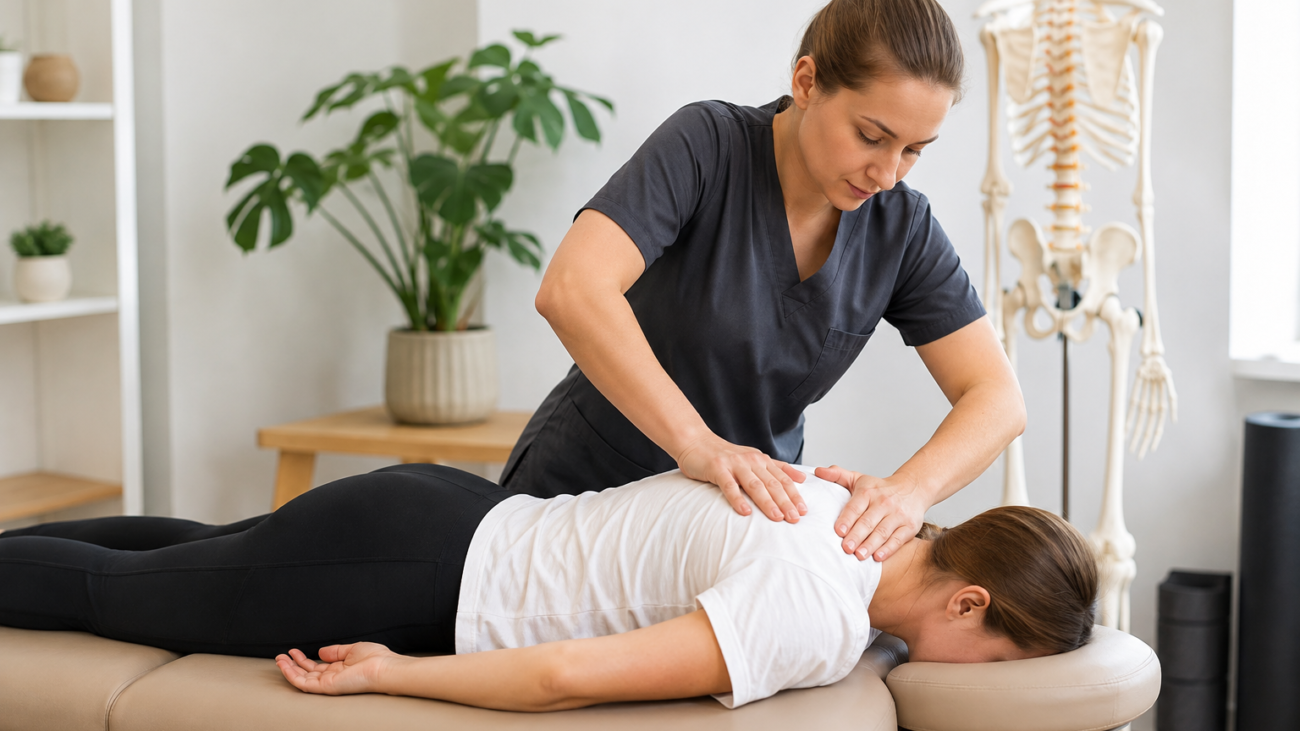
Manual osteopathy has carved out a growing niche in Ontario’s wellness and rehabilitation landscape, appealing to patients who want a whole-body, hands-on approach to chronic pain, mobility issues, and injury recovery. If you’re exploring a Manual Osteopathy Practitioner Diploma, it’s worth understanding exactly how the career — and the job market around it — actually works before you enrol.
An Important Distinction to Understand First
In Ontario, “manual osteopathy” (also called osteopathic manual practice) is different from the medical profession of osteopathic physicians (DOs) recognized in some other countries. Manual osteopathic practice is not currently a government-regulated health profession in Ontario the way massage therapy or acupuncture are. Instead, practitioners typically pursue voluntary certification through professional associations and carry liability insurance to practice. This doesn’t make the work less legitimate — many patients and multidisciplinary clinics value manual osteopathic treatment highly — but prospective students should go in with accurate expectations about scope of practice and how the profession is currently structured, rather than assuming it works identically to a licensed college-regulated profession.
Why Patients Seek Out Osteopathic Care
Manual osteopathy focuses on the body as an interconnected system — joints, muscles, fascia, and circulation — rather than treating an isolated symptom. Patients often come in for chronic pain, postural issues, recovery from injury, or general mobility concerns after other treatments haven’t fully resolved things. This whole-body approach is part of what’s driving steady interest from patients looking for options beyond standard physiotherapy or massage alone.
Earning Potential and Practice Models
Because manual osteopathy isn’t operated under a fixed regulated fee schedule, earning potential varies more than it does for RMTs or acupuncturists, and depends heavily on how a practitioner builds their practice. Many graduates start by working within an existing multidisciplinary clinic — often alongside chiropractors, RMTs, or physiotherapists — building clinical hours and referrals before considering private practice. Practitioners who build a strong reputation and referral network, particularly those who specialize in areas like sports injury recovery or chronic pain management, often see the strongest long-term earning potential.
Where Osteopathy Graduates Typically Work
- Multidisciplinary rehab and wellness clinics
- Sports medicine and athletic therapy centres
- Private practice, either independently or in a shared clinic space
- Complementary roles alongside chiropractic or physiotherapy practices
Building Trust With Patients and Insurers
Because the profession isn’t government-regulated in Ontario, credibility comes down to solid training, professional association membership, and consistent clinical outcomes. Practitioners who complete a thorough hands-on program and maintain professional certification through recognized associations tend to build stronger, faster trust with both patients and other healthcare providers who refer to them.
How New Graduates Typically Build a Practice
Because manual osteopathy isn’t tied to a fixed insurance fee schedule the way some regulated professions are, new graduates often have more flexibility — but also more responsibility — in shaping how they build a career. Many start by working part-time within an established multidisciplinary clinic, using that time to build clinical hours, confidence, and a referral network before considering independent or private practice. This gradual approach tends to produce more sustainable long-term careers than attempting to launch an independent practice immediately after graduation.
The Value of Professional Association Membership
Since manual osteopathy isn’t government-regulated in Ontario, professional association membership plays an outsized role in building credibility with patients, insurers, and other healthcare providers. Associations typically require members to meet training standards, carry professional liability insurance, and engage in ongoing professional development — all of which signal to patients and referring clinics that a practitioner takes their standards seriously.
Working Alongside Other Regulated Professions
Manual osteopathic practitioners frequently work in clinics alongside RMTs, chiropractors, and physiotherapists — professions that are regulated in Ontario. This kind of team environment often benefits new osteopathy graduates directly, since referrals flow naturally between providers who already trust each other’s clinical judgment, and patients get the benefit of a more coordinated care plan.
Patient Awareness Is Still Growing
Compared to massage therapy or acupuncture, public awareness of manual osteopathy is still catching up in many parts of Ontario, which cuts both ways for new graduates. On one hand, it means less market saturation than some more familiar therapies. On the other, it means practitioners often need to spend more time educating prospective patients about what manual osteopathy actually involves and how it differs from massage or chiropractic care. Practitioners who get comfortable explaining this clearly — without jargon — tend to convert curious first-time patients into regular ones more effectively.
Long-Term Practice Building
Osteopathic practitioners who invest early in building relationships with physiotherapists, chiropractors, and sports medicine providers tend to see steadier referral-based growth over time than those relying purely on walk-in or advertising-driven patient acquisition. Because the field rewards reputation and demonstrated results particularly heavily, given the absence of a fixed regulatory fee schedule, the practitioners who build the strongest long-term careers are typically those who treat their first few years as a genuine investment in clinical skill and professional relationships, not just immediate income.
Evaluating a Manual Osteopathy Program Before Enrolling
Because the profession relies on training quality and professional association standing rather than a single government license, choosing a program with a strong reputation, thorough anatomy instruction, and substantial hands-on clinical hours matters even more than it might in a government-regulated field. Prospective students should ask directly about instructor backgrounds, clinical practicum structure, and which professional associations the program’s graduates typically join.
Frequently Asked Questions
Is manual osteopathy regulated in Ontario? It is not currently a government-regulated health profession in Ontario. Practitioners typically pursue voluntary certification through professional associations. Confirm current requirements with relevant professional bodies before enrolling.
How is manual osteopathy different from an osteopathic physician (DO)? An osteopathic physician is a licensed medical doctor in jurisdictions like the U.S. Manual osteopathic practitioners in Ontario provide hands-on manual therapy but are not medical doctors and don’t diagnose or prescribe medication.
Can osteopathy graduates work alongside RMTs and chiropractors? Yes — many manual osteopathic practitioners work in multidisciplinary clinics alongside RMTs, chiropractors, and physiotherapists, which is often the fastest way to build a client base.
A Grounded Path Into Manual Therapy
The Manual Osteopathy Practitioner Diploma at Ruhani College is built around real hands-on technique and anatomy-based training, giving graduates the clinical foundation to build credibility and a lasting practice in Ontario’s growing manual therapy space.