Osteopathy Career Salary & Job Demand in Ontario

Manual osteopathy has carved out a growing niche in Ontario’s wellness and rehabilitation landscape, appealing to patients who want a whole-body, hands-on approach to chronic pain, mobility issues, and injury recovery. If you’re exploring a Manual Osteopathy Practitioner Diploma, it’s worth understanding exactly how the career — and the job market around it — actually works before you enrol.

An Important Distinction to Understand First

In Ontario, “manual osteopathy” (also called osteopathic manual practice) is different from the medical profession of osteopathic physicians (DOs) recognized in some other countries. Manual osteopathic practice is not currently a government-regulated health profession in Ontario the way massage therapy or acupuncture are. Instead, practitioners typically pursue voluntary certification through professional associations and carry liability insurance to practice. This doesn’t make the work less legitimate — many patients and multidisciplinary clinics value manual osteopathic treatment highly — but prospective students should go in with accurate expectations about scope of practice and how the profession is currently structured, rather than assuming it works identically to a licensed college-regulated profession.

Why Patients Seek Out Osteopathic Care

Manual osteopathy focuses on the body as an interconnected system — joints, muscles, fascia, and circulation — rather than treating an isolated symptom. Patients often come in for chronic pain, postural issues, recovery from injury, or general mobility concerns after other treatments haven’t fully resolved things. This whole-body approach is part of what’s driving steady interest from patients looking for options beyond standard physiotherapy or massage alone.

Earning Potential and Practice Models

Because manual osteopathy isn’t operated under a fixed regulated fee schedule, earning potential varies more than it does for RMTs or acupuncturists, and depends heavily on how a practitioner builds their practice. Many graduates start by working within an existing multidisciplinary clinic — often alongside chiropractors, RMTs, or physiotherapists — building clinical hours and referrals before considering private practice. Practitioners who build a strong reputation and referral network, particularly those who specialize in areas like sports injury recovery or chronic pain management, often see the strongest long-term earning potential.

Where Osteopathy Graduates Typically Work

  • Multidisciplinary rehab and wellness clinics
  • Sports medicine and athletic therapy centres
  • Private practice, either independently or in a shared clinic space
  • Complementary roles alongside chiropractic or physiotherapy practices

Building Trust With Patients and Insurers

Because the profession isn’t government-regulated in Ontario, credibility comes down to solid training, professional association membership, and consistent clinical outcomes. Practitioners who complete a thorough hands-on program and maintain professional certification through recognized associations tend to build stronger, faster trust with both patients and other healthcare providers who refer to them.

How New Graduates Typically Build a Practice

Because manual osteopathy isn’t tied to a fixed insurance fee schedule the way some regulated professions are, new graduates often have more flexibility — but also more responsibility — in shaping how they build a career. Many start by working part-time within an established multidisciplinary clinic, using that time to build clinical hours, confidence, and a referral network before considering independent or private practice. This gradual approach tends to produce more sustainable long-term careers than attempting to launch an independent practice immediately after graduation.

The Value of Professional Association Membership

Since manual osteopathy isn’t government-regulated in Ontario, professional association membership plays an outsized role in building credibility with patients, insurers, and other healthcare providers. Associations typically require members to meet training standards, carry professional liability insurance, and engage in ongoing professional development — all of which signal to patients and referring clinics that a practitioner takes their standards seriously.

Working Alongside Other Regulated Professions

Manual osteopathic practitioners frequently work in clinics alongside RMTs, chiropractors, and physiotherapists — professions that are regulated in Ontario. This kind of team environment often benefits new osteopathy graduates directly, since referrals flow naturally between providers who already trust each other’s clinical judgment, and patients get the benefit of a more coordinated care plan.

Patient Awareness Is Still Growing

Compared to massage therapy or acupuncture, public awareness of manual osteopathy is still catching up in many parts of Ontario, which cuts both ways for new graduates. On one hand, it means less market saturation than some more familiar therapies. On the other, it means practitioners often need to spend more time educating prospective patients about what manual osteopathy actually involves and how it differs from massage or chiropractic care. Practitioners who get comfortable explaining this clearly — without jargon — tend to convert curious first-time patients into regular ones more effectively.

Long-Term Practice Building

Osteopathic practitioners who invest early in building relationships with physiotherapists, chiropractors, and sports medicine providers tend to see steadier referral-based growth over time than those relying purely on walk-in or advertising-driven patient acquisition. Because the field rewards reputation and demonstrated results particularly heavily, given the absence of a fixed regulatory fee schedule, the practitioners who build the strongest long-term careers are typically those who treat their first few years as a genuine investment in clinical skill and professional relationships, not just immediate income.

Evaluating a Manual Osteopathy Program Before Enrolling

Because the profession relies on training quality and professional association standing rather than a single government license, choosing a program with a strong reputation, thorough anatomy instruction, and substantial hands-on clinical hours matters even more than it might in a government-regulated field. Prospective students should ask directly about instructor backgrounds, clinical practicum structure, and which professional associations the program’s graduates typically join.

Frequently Asked Questions

Is manual osteopathy regulated in Ontario? It is not currently a government-regulated health profession in Ontario. Practitioners typically pursue voluntary certification through professional associations. Confirm current requirements with relevant professional bodies before enrolling.

How is manual osteopathy different from an osteopathic physician (DO)? An osteopathic physician is a licensed medical doctor in jurisdictions like the U.S. Manual osteopathic practitioners in Ontario provide hands-on manual therapy but are not medical doctors and don’t diagnose or prescribe medication.

Can osteopathy graduates work alongside RMTs and chiropractors? Yes — many manual osteopathic practitioners work in multidisciplinary clinics alongside RMTs, chiropractors, and physiotherapists, which is often the fastest way to build a client base.

A Grounded Path Into Manual Therapy

The Manual Osteopathy Practitioner Diploma at Ruhani College is built around real hands-on technique and anatomy-based training, giving graduates the clinical foundation to build credibility and a lasting practice in Ontario’s growing manual therapy space.

Acupuncture Career Salary & Job Demand in Ontari

Acupuncture has moved from the fringes of “alternative” wellness into mainstream healthcare in Ontario, and the job numbers reflect that shift. More extended health plans now cover acupuncture treatment, more physiotherapy and multidisciplinary clinics offer it in-house, and more patients are actively seeking it out for pain management, stress, and recovery support. If you’re considering an Acupuncture program, here’s an honest look at what the career actually offers.

Why Demand Is Growing

Chronic pain management without heavy reliance on medication has become a bigger priority across Ontario’s healthcare system, and acupuncture fits directly into that shift. Patients dealing with back pain, migraines, fertility support, stress, and sports injuries increasingly ask for acupuncture alongside — or instead of — other treatments. Multidisciplinary clinics that already offer chiropractic care, physiotherapy, or massage therapy are adding acupuncturists to their teams so patients can access more of their care under one roof.

Understanding Earning Potential

Like most regulated hands-on health professions, acupuncturist income in Ontario depends heavily on employment setting and experience. New graduates typically start by working within an established clinic, often on a percentage-split or per-treatment basis, which allows them to build a client base without the overhead of running their own space. As practitioners gain experience and a returning patient roster, many transition toward private practice or a hybrid model, where earning potential scales with the hours they choose to work and the rates they set.

Location matters too — practitioners in higher-density areas of Ontario generally see steadier patient flow than in smaller communities, though a well-established rural practice can also do very well due to less competition.

Regulation: What You Need to Know

Acupuncture in Ontario is a regulated profession under the Traditional Chinese Medicine Act, 2006, overseen by the College of Traditional Chinese Medicine Practitioners and Acupuncturists of Ontario (CTCMPAO). To practice legally and use protected titles, graduates must complete an approved education program and meet the College’s registration requirements, including examinations. This regulatory structure is genuinely good for job seekers: it means employers and insurers can trust the credential, which keeps demand for properly trained acupuncturists strong. Always confirm current registration requirements directly with the CTCMPAO, since regulatory details can be updated.

Where Acupuncture Graduates Find Work

  • Multidisciplinary wellness and rehab clinics, working alongside RMTs, chiropractors, and physiotherapists
  • Community health centres that have expanded into complementary care
  • Fertility and women’s health clinics, a growing niche for acupuncture specifically
  • Sports medicine and athletic recovery settings
  • Private practice, once a practitioner has built clinical experience and a patient base

Skills That Make Graduates Employable

Clinics hiring acupuncturists look for more than diploma completion. Strong intake and assessment skills, clean clinical documentation, and the ability to explain treatment plans in plain language to patients all matter. Programs that include real supervised clinical practice — not just theory — tend to produce graduates who transition into paid work faster and with more confidence.

Building a Patient Base as a New Practitioner

Like most hands-on health professions, acupuncture income tends to grow steadily rather than starting high. New practitioners typically spend their first year or two building a reliable patient base, often within an established clinic that already has patient flow. Word-of-mouth referrals matter enormously here — patients who see genuine results tend to return regularly and refer others, which is why clinical thoroughness and clear communication in those early sessions has an outsized effect on long-term career growth.

Working Within a Multidisciplinary Team

Acupuncturists who work alongside chiropractors, RMTs, and physiotherapists in a shared clinic often benefit from cross-referrals that would be harder to generate independently. A physiotherapist treating a patient with chronic tension, for example, might refer them to an in-house acupuncturist as part of a combined treatment plan. Building these professional relationships — communicating clearly about shared patients and demonstrating consistent, safe clinical practice — is one of the most practical ways new graduates accelerate their caseload.

Common Questions Employers Ask New Graduates

Clinics hiring acupuncturists typically want to understand a candidate’s comfort with intake assessment, their approach to treatment planning, and how they document care. New graduates who can speak confidently and specifically about their clinical training — not just their diploma — tend to stand out in a competitive hiring process.

The Growing Role of Insurance Coverage

A significant driver behind acupuncture’s growing job market is the steady expansion of extended health insurance plans that now include acupuncture coverage. This shift has made regular treatment financially accessible to a much broader patient base than a decade ago, and it’s part of why clinics are increasingly willing to bring acupuncturists onto their teams rather than treating the service as a niche add-on.

Long-Term Career Trajectories

Acupuncturists who stay in the field long-term often describe a fairly consistent trajectory: building clinical hours and confidence within an established clinic for the first several years, then either transitioning to a hybrid model — splitting time between clinic work and a small independent practice — or moving fully into private practice once they have a reliable, loyal patient base. Some practitioners also move into teaching or mentorship roles within training programs once they’ve built substantial clinical experience, adding another dimension to long-term career growth within the field.

What to Look for in an Acupuncture Program

Prospective students should evaluate programs based on the balance between TCM theory and modern clinical technique, the number of supervised clinical practicum hours included, and how well the program prepares students specifically for CTCMPAO registration requirements. A program that treats clinical hours as a core component — not an afterthought — tends to produce graduates who transition into paid practice with far more confidence.

Frequently Asked Questions

Is acupuncture a stable career in Ontario? Yes — as a regulated profession with growing insurance coverage and patient demand, acupuncture offers a genuinely stable long-term career path.

Can I specialize within acupuncture? Yes. Many practitioners develop focus areas such as sports recovery, fertility support, or chronic pain management once they’ve built core clinical experience.

Do I need a science background to start an acupuncture program? Most programs are designed to build foundational knowledge from the ground up, so a prior science background helps but usually isn’t a strict requirement — check specific program prerequisites.

Building a Career That Lasts

The Acupuncture program at Ruhani College blends traditional technique with the clinical practice hours graduates need to enter Ontario’s regulated workforce confidently. For students drawn to hands-on, patient-centred care, it’s one of the more resilient career paths in today’s wellness and healthcare landscape.

ChatGPT Image Aug 7, 2026, 01_25_12 PM

Pre-Med Curriculum Explained: What Courses Will You Actually Take?

Pre-med isn’t a purely theoretical program. Lab sessions — chemistry lab work, biology dissections or specimen study, and hands-on physiology demonstrations — give students exposure to the kind of practical, evidence-based learning that university science programs also emphasize. This matters because medical schools and further academic programs expect applicants to already be comfortable with lab protocols, data recording, and basic scientific method.

Study Skills and Academic Preparation

A less obvious but genuinely important part of the curriculum is academic preparation itself: how to read dense scientific material efficiently, how to prepare for standardized, high-stakes exams, and how to manage a course load that moves faster than typical high school science classes. Students coming straight from secondary school often find this transition is the real adjustment — not the content itself, but the pace and independence required to keep up with it.

How the Curriculum Maps to Career Paths

Graduates use a pre-med foundation in a few different directions:

  • Building toward further academic study. Because Canadian medical schools require a completed undergraduate degree (typically alongside MCAT scores and a competitive application) for admission, a pre-med diploma works best as a head start on foundational science knowledge before or alongside that degree — not a replacement for it. Prospective applicants should always confirm specific admission requirements directly with individual medical schools.
  • Entering allied health fields. The anatomy, physiology, and lab skills built in a pre-med program transfer directly into other healthcare training paths, including programs like Acupuncture or Manual Osteopathy, for students who decide a hands-on clinical career suits them better than the traditional medical school route.
  • Strengthening a weak academic transcript. Students who didn’t take strong science courses in secondary school sometimes use a pre-med program to fill that gap before applying to competitive university programs.

What a Typical Week Looks Like

Expect a mix of lecture-based instruction, lab sessions, and independent study time. Because the program is compressed compared to a full degree, the pace is faster — students who thrive tend to be the ones who stay consistent with review rather than cramming before assessments.

Assessment Style: What Exams Actually Look Like

Pre-med coursework typically moves away from simple multiple-choice memorization tests toward assessments that mirror what future science and medical coursework will demand — applying concepts to scenarios, interpreting data, and explaining physiological processes in your own words. Lab reports and practical assessments carry real weight alongside written exams. Students who adapt early to this style of testing, rather than relying purely on memorization, tend to perform more consistently as the program progresses.

Time Management in a Compressed Program

Because a pre-med diploma condenses foundational science into a shorter timeframe than a full degree, time management becomes a genuine skill students need to develop, not just an abstract piece of advice. Successful students typically build a consistent weekly review routine rather than relying on last-minute cramming before exams — reviewing lecture material within a day or two while it’s still fresh dramatically improves retention compared to revisiting it only before a test.

How Instructors Support the Transition

Smaller class sizes typical of career-college programs mean students generally have more direct access to instructors than in large university lecture halls. This matters most in the early weeks, when students are still adjusting to the pace — asking questions in the moment, rather than letting confusion compound over several classes, is one of the most effective habits a new pre-med student can build.

Connecting Pre-Med Knowledge to Real Healthcare Scenarios

The strongest pre-med programs go beyond isolated facts and actively connect coursework to real clinical scenarios — explaining, for instance, not just the structure of th“What will I actually study?” is the first question most students ask before enrolling in a Pre-Med program, and it’s a fair one. Unlike a general science degree, a pre-med diploma is built specifically around the foundational knowledge future medical students, researchers, and healthcare professionals need — without the unrelated electives a full university degree requires.

The Core Science Foundation

Every pre-med curriculum is anchored in the same handful of subjects that medical schools expect applicants to have a solid grip on: human anatomy and physiology, biology, chemistry, and an introduction to biochemistry. These aren’t taught as isolated theory — a well-structured program ties each subject back to how the human body actually functions, so the material sticks rather than becoming something memorized for a test and forgotten.

Anatomy and physiology in particular deserve attention, because they form the mental map students carry into every future healthcare setting — whether that’s a hospital ward, a research lab, or a clinical practice. Students learn body systems (cardiovascular, respiratory, nervous, musculoskeletal, and more) and how they interact, which becomes essential once they’re interpreting patient cases in later training.

Lab and Practical Components

e cardiovascular system, but how that knowledge applies to understanding a patient presenting with chest pain or shortness of breath. This applied framing helps material stick, and it gives students an early, honest preview of how foundational science actually gets used in clinical decision-making later in their careers.

Preparing for What Comes Next

Whether a student’s next step is a full undergraduate degree, an allied health program, or further exploration of career options, the habits built during a pre-med program — consistent review, comfort with lab protocols, and confidence discussing scientific concepts — carry forward directly. Students who leave a strong pre-med foundation with these habits intact, not just a transcript, tend to adapt faster to whatever academic environment comes next.

Choosing the Right Program Fit

Not every pre-med program is structured identically, and prospective students should look closely at how much of the curriculum is lecture-based versus lab-based, class sizes, and instructor clinical backgrounds before enrolling. A program taught by instructors with genuine healthcare experience — not purely academic backgrounds — often gives students a more grounded, applied understanding of how the material connects to real clinical practice down the road.

Frequently Asked Questions

Does a Pre-Med diploma guarantee admission to medical school? No program can guarantee medical school admission. Canadian medical schools set their own competitive requirements, typically including a completed undergraduate degree, MCAT scores, and interviews. A pre-med diploma builds foundational science knowledge that supports that longer journey.

Is the Pre-Med program only useful for students who want to become doctors? No — the science and lab foundation is equally useful for students considering nursing, allied health, research, or other clinical training paths.

How is a career-college Pre-Med program different from university pre-med courses? It’s more compressed and career-focused, without the general education electives a full degree requires, making it a faster way to build core science knowledge.

Where This Fits at Ruhani College

The Pre-Med Program at Ruhani College is designed by instructors with real clinical and academic backgrounds, so students get a grounded, honest introduction to the science that underpins every healthcare career — whether their next step is a university degree or a hands-on clinical program.

ChatGPT Image Aug 5, 2026, 05_49_56 PM

RMT Job Outlook in Ontario: Salary, Demand & Where Grads Get Hired

Massage therapy has quietly become one of Ontario’s more stable healthcare careers, and the numbers back that up. Chronic pain, workplace stress, sports injuries, and an aging population that wants to stay active are all pushing demand for hands-on, evidence-informed care. If you’re weighing whether an RMT program is worth the time and tuition, the honest answer starts with understanding the job market itself — not just the classroom.

Why Demand for RMTs Keeps Climbing

Ontario’s population is growing, and so is the share of people managing chronic musculoskeletal conditions, post-surgical recovery, and stress-related tension. Extended health benefit plans through employers routinely cover registered massage therapy, which means patients have a financial incentive to book regular sessions rather than treating it as an occasional luxury. Physiotherapy clinics, chiropractic offices, sports medicine centres, and multidisciplinary wellness clinics all actively recruit RMTs because patients increasingly expect a full care team under one roof.

Seasonal demand also plays a role. Golf and hockey leagues, marathon training groups, and recreational sports clubs across the province create predictable spikes in referrals for RMTs who understand injury prevention and recovery.

What the Job Actually Pays

Compensation for RMTs in Ontario varies by employment model, location, and experience. Newly certified therapists working in a clinic on a percentage-split or hourly arrangement typically start on the lower end of the scale while building a client base. Experienced RMTs — particularly those who’ve built a loyal roster of returning patients — earn considerably more, and many eventually transition to charging their own rates in private practice, where income is directly tied to the hours they choose to work.

Two variables move the needle most: location and specialization. RMTs in the Greater Toronto Area and other high-density regions generally see stronger demand and higher rates than smaller towns, simply because of population and clinic density. Therapists who add a niche — prenatal massage, oncology massage, sports massage, or myofascial release — often command premium rates because fewer practitioners offer those services confidently.

Where RMT Graduates Actually Get Hired

Graduates from a recognized Registered Massage Therapist program typically find work through a few common paths:

  • Multidisciplinary clinics — working alongside chiropractors, physiotherapists, and osteopathic practitioners, with referrals flowing between providers.
  • Spas and wellness centres — a strong entry point for building hands-on hours, though scope of practice can be narrower.
  • Sports medicine and athletic facilities — for therapists interested in performance and recovery work.
  • Home-visit and mobile massage services — a growing option for therapists who prefer flexibility over a fixed clinic schedule.
  • Private practice — the long-term goal for many RMTs, once they’ve built clinical confidence and a client base. Our guide on starting a massage therapy clinic walks through what that transition actually involves.

Licensing Is Non-Negotiable

Nobody can legally call themselves a Registered Massage Therapist in Ontario, or bill extended health insurers as one, without registering with the College of Massage Therapists of Ontario (CMTO). That means completing an approved education program and passing the required certification exams before you can practice. This regulatory step is actually good news for job seekers — it keeps the profession credible, which is part of why insurance providers and employers trust RMTs enough to keep hiring them. We’ve broken down the exact steps in our article on RMT licensing in Ontario.

What Employers Actually Look For

Clinics hiring new RMTs consistently mention the same qualities: solid hands-on technique from supervised clinical hours (not just classroom theory), comfort with clinical documentation (SOAP notes), and the interpersonal skills to build trust with patients quickly. Programs that build in real clinical practicum hours — not just lecture time — tend to produce graduates who are job-ready faster.

The Role of Referrals in Building a Client Base

Word-of-mouth remains one of the strongest drivers of new patients for RMTs, more so than for many other professions. A satisfied patient who feels genuinely listened to and effectively treated will typically return regularly and refer friends and family. This is part of why the early months in practice matter so much — the clinical habits and communication style a new RMT builds in their first year often shape their referral pipeline for years afterward. New grads who focus on thorough intake, clear communication about treatment plans, and consistent follow-up tend to build momentum faster than those who treat each session as a one-off transaction.

Insurance Billing and Direct Billing

A practical detail that affects day-to-day income is direct billing — the ability to bill a patient’s extended health insurer directly rather than requiring the patient to pay upfront and submit a claim themselves. Clinics that offer direct billing tend to see higher patient retention, simply because it removes friction from booking a follow-up appointment. New RMTs should understand how direct billing works, since it’s often a factor patients specifically ask about when choosing where to book.

Common Career Mistakes New Grads Should Avoid

A few patterns tend to slow down new RMTs unnecessarily. Underpricing services in an attempt to attract clients often backfires by attracting bargain-focused patients who don’t return regularly. Neglecting documentation discipline early creates problems later, both for insurance claims and for tracking a patient’s actual progress over time. And treating the first job as a permanent fit, rather than as an opportunity to build clinical hours and confidence before evaluating other settings, can limit long-term growth. Being intentional about these choices from day one tends to pay off significantly over a multi-year career.

How Ontario’s Healthcare Trends Are Shaping the Profession

Beyond individual clinics, broader shifts in Ontario’s healthcare system are reinforcing demand for RMTs. Employers increasingly view massage therapy benefits as a competitive part of employee wellness packages, which keeps insurance coverage — and therefore patient demand — steady even during economic downturns when discretionary spending on other services often drops. Hospitals and rehabilitation centres have also expanded integrative care teams in recent years, occasionally bringing RMTs into settings that were traditionally limited to physiotherapy and nursing alone. For students entering the field now, this broadening of where RMTs work is genuinely good news: it means career flexibility beyond the traditional spa-or-clinic choice.

Getting Started: Practical Next Steps

For prospective students, the practical path forward starts with researching program length, clinical hour requirements, and instructor backgrounds — not just tuition cost. Sitting in on a class or speaking directly with current students and graduates, where possible, gives a far more honest picture of day-to-day program quality than a website alone can. Once enrolled, treating every clinical practicum hour as real professional practice, not just a school requirement, sets the tone for the habits that will define an entire career.

Comparing RMT to Other Hands-On Healthcare Careers

Prospective students sometimes weigh RMT against other hands-on healthcare paths like acupuncture or manual osteopathy. All three share strong patient demand and a genuine helping-profession core, but the regulatory structure differs meaningfully — RMT is regulated through CMTO with a clearly defined licensing exam, which some students find offers more immediate professional clarity than less formally regulated manual therapy fields. Understanding these differences upfront helps students choose the path that matches both their clinical interests and their comfort with a given profession’s regulatory structure.

Frequently Asked Questions

Is RMT a good career choice in Ontario right now? Yes — demand is steady and growing, driven by insurance coverage, an aging population, and increased awareness of massage therapy as part of pain management and mental wellness.

Do I need to work for a clinic first, or can I start my own practice right away? Most new grads start in a clinic to build clinical hours, confidence, and a client base before considering private practice.

How long does it take to become job-ready as an RMT in Ontario? Program length varies, but most full-time RMT diploma programs are completed within about 12 months, after which graduates must pass CMTO certification exams before practicing.

Choosing the Right Program Matters

Not every RMT program prepares students equally for the realities of clinical work. At Ruhani College, the Registered Massage Therapist program is built around hands-on training and instructors with real clinical backgrounds, so graduates step into the job market with practical skills employers are actually looking for. If you’re serious about a career with genuine staying power in Ontario’s healthcare sector, RMT is worth a close look.

How to Become a Personal Support Worker (PSW) in Ontario: Step-by-Step Guide

Personal Support Workers are among the most in-demand healthcare workers in Ontario right now, providing essential hands-on care in long-term care homes, hospitals, retirement homes, and private residences. If you’re considering a healthcare career that doesn’t require years of university study but offers real, immediate impact on people’s lives, becoming a PSW is one of the most direct paths into the field. Here’s exactly what that path looks like.

What Does a Personal Support Worker Do?

PSWs provide direct, hands-on support to clients who need help with daily living activities — personal hygiene, mobility, meal assistance, medication reminders, and general comfort care. Unlike some healthcare roles that focus primarily on clinical treatment, PSWs often build long-term, meaningful relationships with the clients they support, particularly in long-term care and home care settings where the same PSW may work with a client for months or years.

Common work environments include:

  • Long-term care homes
  • Retirement homes and assisted living facilities
  • Hospitals, supporting nursing staff with patient care
  • Private home care, working directly with individual clients and families
  • Community support agencies

Step 1: Choose an Approved PSW Training Program

Look for a program that:

  • Is recognized and meets the standards set out by Ontario’s PSW training program guidelines
  • Includes both classroom instruction and supervised clinical placement hours
  • Covers personal care skills, safety and body mechanics, communication, and an understanding of common health conditions
  • Has instructors with direct experience working as PSWs or in related healthcare roles

Program length is generally shorter than most other healthcare diploma paths, which is one reason PSW training is a popular entry point for people looking to start a healthcare career relatively quickly.

Step 2: Complete Classroom and Lab-Based Training

Early coursework typically covers personal care techniques, safe body mechanics for lifting and transferring clients, infection control, communication skills, and a foundational understanding of common conditions PSWs will encounter — including dementia, mobility limitations, and chronic illness.

Lab-based practice, often using training equipment and role-play scenarios, helps build confidence with hands-on care techniques before students move into real clinical placements with actual clients.

Step 3: Complete Supervised Clinical Placement

Clinical placement is where classroom learning becomes real-world skill. Students typically complete supervised placement hours in settings like long-term care homes or hospitals, working directly with clients under the supervision of experienced staff.

This stage is often where students confirm the career is genuinely the right fit — the hands-on, relationship-driven nature of PSW work is difficult to fully appreciate from classroom instruction alone. Placement also gives students direct exposure to different care settings, which can help clarify whether long-term care, home care, or hospital-based work is the better fit after graduation.

Step 4: Graduate and Meet Employment Requirements

After completing coursework and clinical placement hours, most PSW training programs prepare graduates to meet common employer requirements, which typically include:

  • A recognized PSW program completion certificate
  • Standard First Aid and CPR certification
  • A clear vulnerable sector police check
  • Up-to-date immunization records, often required by healthcare employers

Confirm with your specific program which of these are built into the training itself versus which you’ll need to arrange separately, since requirements can vary slightly between employers.

Step 5: Start Working and Build Your Experience

Many new PSWs start in long-term care or hospital settings, where there’s typically strong, consistent hiring demand and the opportunity to work alongside experienced staff early in your career. From there, some PSWs move toward home care or private client work, which can offer more schedule flexibility and the opportunity to build long-term relationships with individual clients and families.

Ongoing professional development — additional training in areas like dementia care, palliative care support, or specialized mobility assistance — can also open doors to more specialized roles over time.

Skills That Make a Strong PSW

Beyond the technical training, the PSWs who tend to build the most sustainable, rewarding careers share a few common traits:

  • Genuine empathy and patience — this work is relationship-driven, and clients notice the difference between someone going through the motions and someone who genuinely cares
  • Physical stamina and proper body mechanics — the work is physically demanding, and using safe techniques protects both the PSW and the client long-term
  • Clear communication — with clients, families, and the broader healthcare team you’ll be working alongside
  • Comfort with routine and consistency — much of the work involves the same reliable, high-quality care day after day, which matters enormously to clients and families

Job Outlook for PSWs in Ontario

Ontario’s aging population and ongoing healthcare system demand continue to drive strong, consistent hiring for PSWs across long-term care, hospitals, and home care settings. This is consistently one of the more stable entry points into a healthcare career, with demand that shows no signs of slowing given demographic trends in the province.

Common Misconceptions About Becoming a PSW

  • “PSW work is the same as unskilled caregiving.” PSW training covers real clinical knowledge — safe body mechanics, infection control, and recognizing changes in a client’s condition are genuine skills that require proper training, not instincts alone.
  • “It’s a dead-end job with no growth.” Many PSWs go on to pursue further healthcare training — some transition into nursing, and the direct client care experience gained as a PSW is valuable background for a wide range of healthcare career paths.
  • “You need prior healthcare experience to start.” Most students enter PSW training with no prior healthcare background at all — the program is specifically designed to build these skills from the ground up.

Is Becoming a PSW the Right Path for You?

This career tends to be a strong fit if you:

  • Want a direct, relatively fast path into a stable healthcare career
  • Genuinely enjoy hands-on, relationship-driven work with people
  • Are comfortable with physically demanding work and want a role with real day-to-day human impact
  • Are considering healthcare as a long-term field but want to start working sooner rather than committing to a multi-year program first

If that sounds like you, the best next step is speaking directly with a program advisor about clinical placement partners, program timelines, and what a typical week in training actually looks like.

Ready to learn more about the PSW program? Book a campus tour at Ruhani College and speak with our team about training timelines, placement partners, and what comes next after graduation.

Frequently Asked Questions

How long does it take to become a PSW in Ontario? PSW programs are generally shorter than most other healthcare diploma paths, making it one of the faster routes into a healthcare career — exact program length varies by school and delivery format.

Do I need prior healthcare experience to enroll? No. Most PSW programs are designed for students with no prior healthcare background, building all necessary skills from the ground up through classroom instruction and supervised placement.

Where do PSWs typically work after graduating? Common settings include long-term care homes, hospitals, retirement homes, and private home care, with many new graduates starting in long-term care or hospital settings before moving into other environments.

Is PSW a good starting point for a longer healthcare career? Yes, for many students. The direct client care experience and foundational healthcare knowledge gained as a PSW can support a transition into further healthcare training later, including nursing and other allied health paths.

Pre-Med Schools in Ontario: What to Consider Before You Choose

Searching for the pre-med school in Ontario will get you a long list of options — but very little guidance on what actually separates a strong program from a mediocre one. Since pre-med isn’t a licensed profession itself but a preparatory step toward further healthcare study or a healthcare-adjacent career, the school depends entirely on what you’re preparing for. Here’s how to actually evaluate your options.

What a Pre-Med Program Is (and Isn’t)

A pre-med program at a career college is designed to build foundational knowledge in the sciences and healthcare concepts that support further study or entry into healthcare-related roles. It’s not the same as a university pre-medicine track aimed specifically at medical school admission — career college pre-med programs are typically more practical and career-focused, often serving as a stepping stone toward healthcare career paths, further diploma study, or roles supporting clinical environments.

Understanding this distinction matters before you start comparing schools, since the right fit depends on whether your goal is eventual medical school application, entry into an allied health career, or building a strong science foundation before deciding on a specific path.

What to Actually Look for in a Pre-Med Program

Rather than chasing a ” schools” ranking, evaluate programs against these criteria:

Curriculum Depth and Relevance

Look closely at what’s actually taught — biology, chemistry, anatomy and physiology, and healthcare systems coursework should form the core. Ask for a full course list, not just a program description, and compare it against what you’d need for your specific next step, whether that’s a diploma program, further study, or direct entry into a healthcare-adjacent role.

Class Size and Instructor Access

Smaller class sizes generally mean more direct access to instructors, more opportunity for questions, and better support if you’re struggling with a particular concept. Ask prospective schools directly about average class size and how accessible instructors are outside of scheduled class time.

Clinical or Practical Exposure

Some pre-med programs include shadowing opportunities, guest lectures from healthcare professionals, or exposure to clinical settings. This kind of practical context can help confirm whether a healthcare career path is genuinely the right fit before you commit to further, more specialized training.

Pathway Support

A strong program should have clear guidance on what comes next — whether that’s a defined pathway into one of the school’s other healthcare diploma programs, support with university transfer applications, or career counselling for healthcare-adjacent roles. Ask directly what percentage of graduates move into further study versus direct employment, and in what fields.

Faculty Background

Instructors with genuine healthcare or clinical backgrounds bring real-world context to coursework that purely academic instructors often can’t. Ask about instructor credentials and experience during your school research.

Questions to Ask Before Enrolling

When comparing pre-med programs, bring these questions to every school you’re considering:

  1. What does the full course curriculum actually cover, in detail?
  2. What percentage of graduates go on to further healthcare study, and in what programs?
  3. Is there any clinical shadowing, guest lecture series, or practical exposure built into the program?
  4. What support exists for figuring out your specific next step after graduation?
  5. What are typical class sizes, and how accessible are instructors outside class time?

A school that can answer these clearly and specifically — rather than with vague marketing language — is usually a stronger sign of program quality than any informal list.

In-Person vs. Online Study Options

Many pre-med programs in Ontario now offer both in-person and online or hybrid delivery formats, and this choice can meaningfully affect your experience:

In-person study generally offers more direct lab access, easier informal interaction with instructors and classmates, and a more structured routine — which can help students who benefit from a defined schedule and hands-on lab components.

Online or hybrid study offers more flexibility for students balancing work, family commitments, or other responsibilities, though it requires strong self-discipline and comfort with independent study. If a program offers hybrid delivery, ask specifically how lab components and any hands-on coursework are handled remotely versus in person.

Neither format is inherently better — the right choice depends on your learning style, schedule constraints, and whether the program’s specific lab or practical components translate well to your preferred format.

Common Mistakes When Choosing a Pre-Med Program

  • Choosing based on program name alone. “Pre-Med” means different things at different schools — always verify the actual curriculum, not just the title.
  • Not clarifying your end goal first. A program built for direct entry into allied health careers looks different from one designed as a university transfer pathway — know which one you need before comparing schools.
  • Ignoring pathway support. A program with no clear guidance on “what’s next” can leave you without a plan after graduation, even with strong grades.
  • Overlooking class size and instructor access. Larger cohorts can mean less individual support exactly when foundational science courses get difficult.

Is Pre-Med the Right Starting Point for You?

A pre-med program tends to be a strong fit if you:

  • Know you want a healthcare-related career but aren’t yet certain which specific path (RMT, Acupuncture, Osteopathy, or further study) is right for you
  • Want to strengthen your science foundation before committing to a specialized diploma
  • Are considering university transfer toward medical school or another advanced healthcare program and want a strong preparatory foundation first

If that sounds like where you’re at, the next step is talking directly with a program advisor who can walk you through curriculum specifics and realistic next-step pathways — not just a program brochure.

Ready to see the full Pre-Med curriculum and pathway options? Book a campus tour at Ruhani College and speak with our program advisors about what comes after pre-med, based on where you want to end up.

Frequently Asked Questions

Is a career college pre-med program the same as a university pre-medicine track? No. Career college pre-med programs are typically more practical and career-focused, often serving as preparation for allied health diploma programs or further study rather than a direct medical school admission pathway.

Do I need strong science grades to enroll in a pre-med program? Requirements vary by school, but most pre-med programs are designed to build foundational science knowledge, so they can be a good starting point even if your science background isn’t extensive yet.

What can I do after completing a pre-med program? Common next steps include enrolling in a specialized healthcare diploma program, pursuing further academic study, or transitioning into a healthcare-adjacent role, depending on the pathway support your program offers.

How do I know if a pre-med program is good quality? Look past marketing language and ask for specifics: full curriculum details, instructor credentials, clinical exposure opportunities, and clear data on where graduates typically go next.


Related reading: Is a Pre-Medical Program the First Step for Your Healthcare Career?

How to Become an Osteopathic Practitioner in Ontario: Step-by-Step Guide

If you’re drawn to hands-on healthcare work and want a career built around helping clients move and feel better without surgery or medication, manual osteopathy is worth a serious look. It’s a growing field in Ontario, with practitioners working in private clinics, multidisciplinary healthcare teams, and increasingly alongside physiotherapists and chiropractors. Here’s exactly what the path looks like, from choosing a program to building a client base.

What Does an Osteopathic Practitioner Actually Do?

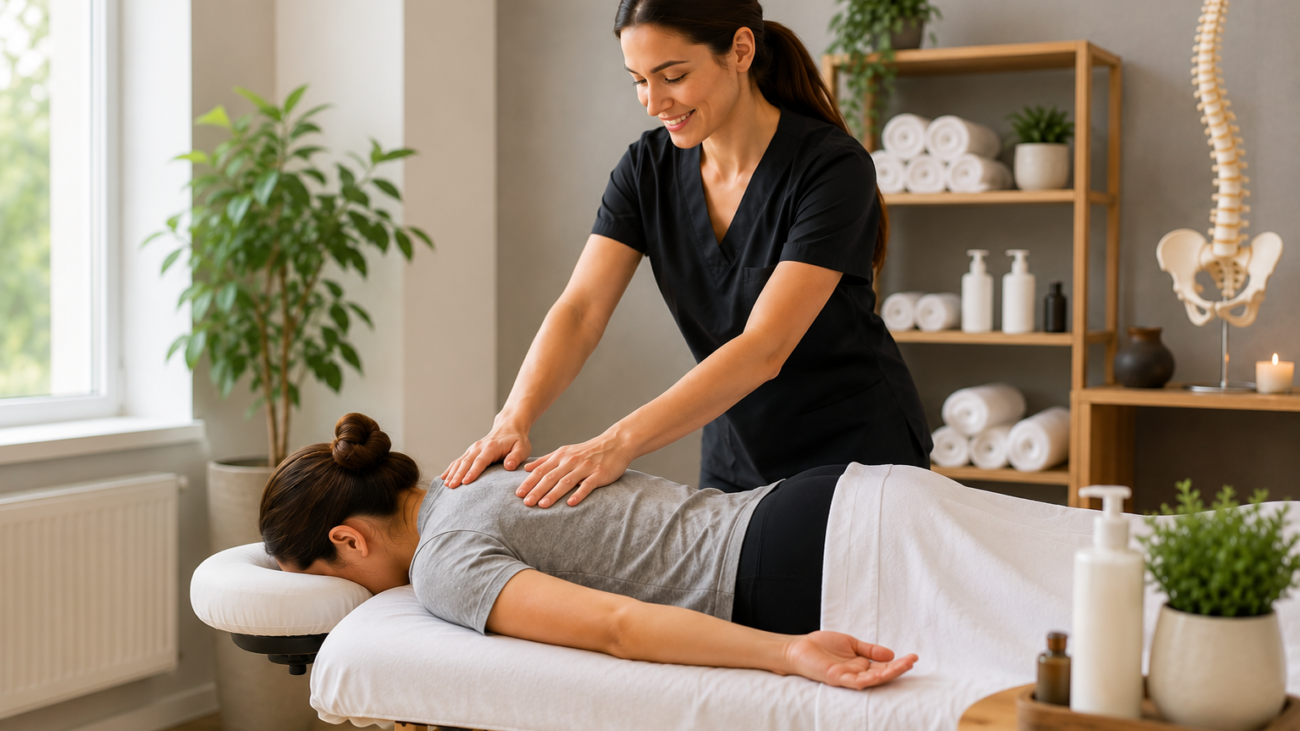
Manual osteopathy is a hands-on therapeutic approach focused on assessing and treating restrictions in the body’s musculoskeletal, circulatory, and nervous systems. Practitioners use manual techniques — soft tissue work, joint mobilization, and structural assessment — to help relieve pain, improve mobility, and support the body’s own healing processes.

Common client concerns include chronic back and neck pain, postural issues, sports injuries, digestive discomfort linked to structural tension, and general mobility limitations. Many clients come to osteopathic practitioners after trying other treatments with limited results, drawn by the whole-body assessment approach rather than treating a single symptom in isolation.

Step 1: Choose an Approved Manual Osteopathy Program

Not all osteopathy training is created equal, and this is the most important decision in the entire process. Look for a program that:

  • Covers full-body anatomy, physiology, and pathology in depth
  • Includes substantial supervised clinical practicum hours, not just classroom theory
  • Is recognized by relevant professional associations for manual osteopathic practitioners in Ontario
  • Has instructors who are practicing osteopathic practitioners themselves

Program length varies by school and delivery format, but expect a multi-year commitment given the depth of anatomical knowledge required to practice safely and effectively.

Step 2: Complete Foundational Anatomy and Assessment Coursework

Early coursework typically covers musculoskeletal anatomy, physiology, neurology, and pathology — building the diagnostic foundation you’ll rely on for the rest of your career. This stage also introduces palpation skills: the ability to assess tissue tension, joint mobility, and structural asymmetry through touch, which takes consistent practice to develop.

Students often find this stage the most academically demanding part of the program, since accurate assessment depends on genuinely understanding how the body’s systems interact — not just memorizing structures.

Step 3: Build Technique Through Supervised Clinical Practice

Once foundational knowledge is established, programs shift toward hands-on technique training and supervised clinical practicum. This is where classroom anatomy becomes practical skill — treating real clients under instructor supervision, receiving feedback on technique, and building the clinical judgment needed to assess and treat a wide range of presentations.

Clinical hours are typically the largest time commitment in the later stages of training, and they’re non-negotiable — this supervised, real-world practice is what separates a confident, competent practitioner from someone who only knows the theory.

Step 4: Meet Certification and Association Requirements

After completing your program’s coursework and clinical hours, most graduates pursue certification or membership with a recognized osteopathic practitioner association in Ontario. Requirements vary by association but typically include proof of program completion, clinical hour documentation, and sometimes a practical or written exam.

Maintaining professional association membership is also usually tied to ongoing continuing education requirements, which is worth planning for as part of your long-term career development — this field, like most manual therapy disciplines, continues to evolve as new research and techniques emerge.

Step 5: Gain Experience and Build Your Client Base

Many new practitioners start by working within an established clinic alongside more experienced osteopathic practitioners, chiropractors, or physiotherapists. This provides:

  • Steady client referrals while you build your own reputation
  • Mentorship from experienced practitioners
  • Exposure to a wider variety of client presentations than you’d likely see starting fully independent

From there, many practitioners eventually move toward private practice, a shared multidisciplinary clinic, or a hybrid of both — often is a natural progression once you’ve built confidence and a referral network.

Skills That Set Strong Osteopathic Practitioners Apart

Beyond technical training, the practitioners who build the most successful, sustainable practices tend to share a few traits:

  • Strong palpation and assessment instincts built through repeated hands-on practice, not just theory
  • Clear communication — being able to explain findings and treatment plans in terms clients understand, without over-relying on clinical jargon
  • Patience with complex cases — some of the most rewarding client outcomes come from cases that don’t resolve in a single session
  • Comfort with ongoing learning — manual osteopathy techniques and supporting research continue to develop, and the strongest practitioners stay current

Common Misconceptions About Manual Osteopathy

A few things prospective students often misunderstand about this career path:

  • “Osteopathy is the same as chiropractic care.” They share some overlap in treating musculoskeletal issues, but manual osteopathy takes a broader whole-body approach, often incorporating soft tissue and circulatory system assessment alongside structural work, rather than focusing primarily on spinal adjustment.
  • “You need a pre-existing healthcare background.” Most students enter with no formal healthcare experience — a genuine interest in anatomy and hands-on work matters far more than prior credentials.
  • “It’s a shorter, less rigorous alternative to physiotherapy.” The clinical hour requirements and anatomical depth involved in proper osteopathic training are substantial — this isn’t a shortcut credential, it’s a distinct discipline with its own rigorous standards.

Job Outlook for Osteopathic Practitioners in Ontario

Demand for manual osteopathy continues to grow in Ontario as more clients seek non-invasive, drug-free treatment options for chronic pain and mobility issues, and as more clinics adopt multidisciplinary models that include osteopathic practitioners alongside physiotherapists, chiropractors, and RMTs. Extended health insurance coverage for osteopathic treatment has also expanded in recent years, making it more accessible to a broader client base — which supports steady long-term demand for qualified practitioners.

Is Manual Osteopathy the Right Path for You?

This career tends to be the strongest fit for people who:

  • Want a hands-on, client-facing healthcare career without pursuing a medical degree
  • Are genuinely curious about how the body’s systems connect and influence each other
  • Are comfortable with a multi-year training commitment that includes significant supervised clinical practice
  • Want the long-term flexibility of private practice, clinic work, or both

If that sounds like you, the best next step is talking directly with instructors who are practicing osteopathic practitioners themselves — they can walk you through what a typical week in the program looks like and answer the practical questions a website can’t.

Ready to see the full program structure? Book a campus tour at Ruhani College and speak with our Manual Osteopathy instructors about the path from enrollment to practice.

Frequently Asked Questions

How long does it take to become an osteopathic practitioner in Ontario? Program length varies by school, but expect a multi-year commitment given the anatomical depth and required clinical hours involved in proper training.

Do I need a science background to enroll? No prior healthcare or science background is required for most programs, though a genuine interest in anatomy and physiology will help significantly through the coursework.

Is manual osteopathy covered by insurance? Coverage varies by insurer and plan, but extended health coverage for osteopathic treatment has expanded considerably in recent years as the field has gained wider recognition.

Can I work part-time while completing the program? Many students do, though the clinical practicum hours required in later stages of training typically require significant time commitment, so it’s worth discussing scheduling directly with the program before enrolling.


Related reading: Osteopathy and Manual Therapy Programs in Ontario: What to Expect

How to Become a Registered Massage Therapist in Ontario: Step-by-Step Guide

Do you like helping people feel better? Do you want a hands-on career, not a desk job? Becoming a Registered Massage Therapist (RMT) could be a great fit. You don’t need years of university. You don’t need a science degree. You need the right training, the right hours, and a clear exam.

Here’s exactly what that path looks like, one step at a time.

Step 1: Understand What an RMT Does

A Registered Massage Therapist checks soft tissue and joint problems. Then they treat those problems with massage and hands-on therapy. RMTs work in clinics, spas, sports centres, and hospitals. Many also run their own private practice.

This is a regulated health job in Ontario. That means you can’t just call yourself an RMT after a weekend course. You need to finish an approved program first. Then you register with the group that oversees the profession.

Step 2: Complete an Accredited RMT Program

This is the biggest step. You need to finish a recognized massage therapy program. A good program covers:

  • Anatomy and physiology
  • Pathology (how injury and disease work)
  • Massage techniques and how to assess a client
  • Ethics and professional conduct
  • Real hands-on clinical training

Programs in Ontario usually take a few months to two years. It depends on full-time or part-time study. At Ruhani College, the Registered Massage Therapist program follows this same path. Students mix classroom learning with real clinical practice early on. It’s not just theory.

What to look for in a program:

  • Is it recognized by Ontario’s massage therapy regulator?
  • Do students treat real clients, not just classmates?
  • Are instructors working RMTs, not just lecturers?
  • Are classes small enough for real feedback?

For a deeper look at this decision, see our guide on how to choose the right RMT program in Ontario.

Step 3: Complete Your Clinical Training Hours

Massage therapy is hands-on. So your program will include supervised clinical hours. This is where you move from practicing on classmates to treating real clients. A supervisor watches and guides you.

This stage matters a lot. It builds the skill and judgment that separates a confident graduate from someone who only knows the textbook. We’ve written more about the skills RMT students must master before starting clinical practice, and how RMT training prepares you for real-world clinical practice (unconfirmed URL — please verify before publishing).

Step 4: Pass the Registration Exam

After training, you take a certification exam. It tests your practical skills. It also tests your written knowledge of anatomy and treatment planning.

Good programs build exam prep right into your final weeks of training. It should feel like a natural next step, not a scramble.

Step 5: Register with the College of Massage Therapists of Ontario (CMTO)

Once you pass your exam, you register with the CMTO. This is the group that regulates massage therapists in Ontario. After you register, you can legally use the title “Registered Massage Therapist.”

Registration means an application, proof of your training, and an annual fee. For more detail on this step, read our post on understanding Registered Massage Therapist licensing in Ontario

Step 6: Start Your Career

From here, your path is flexible. Many new RMTs start at an existing clinic or spa. This helps them build experience and clients. Others move toward mobile massage services, sports teams, or their own practice later on.

Massage therapy is also a portable career. Demand exists in almost every community in Ontario. If you’re curious what comes next, we’ve covered career options after completing a massage therapy program (unconfirmed URL — please verify before publishing), and even how to start your own massage therapy clinic (unconfirmed URL — please verify before publishing) if private practice is the goal.

Frequently Asked Questions

How long does it take to become an RMT in Ontario? It depends on the program. Most take a few months to two years, including clinical hours.

Do I need a specific high school background? Most programs just need a high school diploma or equivalent. An interest in anatomy and hands-on work matters more than a science background.

Is the RMT registration exam hard? It’s thorough. It covers both skill and knowledge. A good program prepares you for it as part of the course, not as a last-minute scramble.

Can I work while I study? Yes, many students do. Some programs offer flexible or evening classes to make this easier.


Ready to Start Your RMT Journey?

Ruhani College’s Registered Massage Therapist program is built by licensed healthcare professionals. Students get hands-on clinical training early in the course. If you’re ready to build a real, hands-on healthcare career, explore the RMT program at Ruhani College and take the first step.

Acupuncture vs. RMT: Which Career Path Fits You?

Acupuncture and Registered Massage Therapy (RMT) are both in-demand, hands-on healthcare careers in Ontario — and both are commonly considered by the same type of student: someone who wants to help people, work with their hands, and build a flexible, client-facing practice. But the two paths differ in training approach, day-to-day work, and how quickly you can enter the field. Here’s how they actually compare.

Quick Comparison

Registered Massage Therapy (RMT)Acupuncture
Core focusMuscular, joint, and soft-tissue treatmentTCM diagnostic theory + needling technique
Regulatory body in OntarioCollege of Massage Therapists of Ontario (CMTO)College of Traditional Chinese Medicine Practitioners and Acupuncturists of Ontario (CTCMPAO)
Typical client concernsPain, tension, mobility, sports recoveryPain, stress, sleep, digestion, general wellness
Common work settingsClinics, spas, sports medicine, private practiceWellness clinics, TCM clinics, private practice
Insurance coverageWidely covered by extended health plansIncreasingly covered, varies by provider

Training Length and Structure

Registered Massage Therapy programs in Ontario typically emphasize hands-on technique training alongside anatomy, physiology, and pathology coursework, with a heavy clinical practicum component. You’ll spend a significant portion of the program treating clients under supervision before you’re eligible to sit the CMTO certification exam.

Acupuncture programs cover Traditional Chinese Medicine theory, point location, needling technique, and diagnostic methods, again paired with supervised clinical practice hours. Acupuncture training tends to place more emphasis on theoretical diagnostic frameworks (like TCM pattern differentiation) alongside the physical technique itself.

Both paths require completing a set number of supervised clinical hours before you can register with the relevant regulatory body, so program length is driven as much by regulatory requirements as by the school’s course schedule.

Licensing and Regulation in Ontario

Both careers are regulated healthcare professions in Ontario, which matters more than most prospective students realize when comparing programs.

RMTs must register with the College of Massage Therapists of Ontario (CMTO) after completing an approved program and passing the certification exam. Only registered RMTs can legally use the “RMT” or “Registered Massage Therapist” title in Ontario, and treatment is typically eligible for extended health insurance reimbursement.

Acupuncturists must register with the College of Traditional Chinese Medicine Practitioners and Acupuncturists of Ontario (CTCMPAO). This regulatory body also oversees related designations like Traditional Chinese Medicine Practitioner, depending on the scope of training completed.

Choosing a program that’s recognized by the relevant college is non-negotiable — it’s the difference between being able to practice and bill for services legally versus not. Always confirm a school’s program is approved by the appropriate regulatory body before enrolling, regardless of which path you choose.

What the Day-to-Day Work Actually Looks Like

RMTs typically work with muscular, joint, and soft-tissue issues — treating pain, tension, mobility limitations, and recovery from injury through hands-on manipulation. Many RMTs work in multidisciplinary clinics, private practice, spas, or sports medicine settings, often with a steady rotation of returning clients.

Acupuncturists work from a broader wellness and TCM diagnostic lens — treating pain, but also stress, sleep, digestive issues, and general wellness concerns, using needling as the primary technique. Client relationships in acupuncture practices often involve longer initial consultations to build a full diagnostic picture before treatment begins.

If you’re someone who’s drawn to structural, anatomy-based problem solving, RMT tends to be the closer fit. If you’re more interested in a holistic diagnostic approach that looks at the whole body system, acupuncture may suit you better.

Career Flexibility and Earning Potential

Both careers offer strong flexibility once licensed:

  • Both can be practiced independently, in a shared clinic, or as part of a larger healthcare team
  • Both allow for flexible scheduling, which appeals to students balancing other commitments
  • Both have a path to eventually opening a private practice

Earning potential for both careers depends heavily on client volume, location, and whether you’re employed vs. self-employed — RMTs in Ontario often see more consistent referral volume through insurance-covered treatment plans, while acupuncturists frequently build practices around repeat wellness clients and word-of-mouth referrals.

Skills You’ll Build in Each Program

Beyond the technical training, each path develops a different skill set that shapes the kind of practitioner you become:

In an RMT program, you’ll build:

  • Deep anatomical and biomechanical knowledge — understanding how muscles, joints, and connective tissue interact
  • Hands-on palpation skills — being able to locate and assess tissue issues through touch
  • Treatment planning based on injury assessment and progress tracking
  • Communication skills for explaining home-care exercises and recovery timelines to clients

In an Acupuncture program, you’ll build:

  • Traditional Chinese Medicine diagnostic reasoning — reading pulse, tongue, and pattern presentations
  • Precise point location and needling technique
  • A holistic intake process that considers lifestyle, stress, and systemic factors alongside physical symptoms
  • The ability to explain TCM concepts in accessible terms for clients unfamiliar with the approach

Both skill sets are transferable to related wellness and healthcare roles later in your career, which is one reason some practitioners eventually train in both.

Job Outlook for Both Careers in Ontario

Ontario’s aging population, growing interest in preventive and complementary healthcare, and expanding insurance coverage for both disciplines all point toward continued demand in both fields.

  • RMT remains one of the most consistently in-demand allied health roles in the province, with steady hiring across clinics, sports medicine practices, and multidisciplinary healthcare teams
  • Acupuncture has seen growing mainstream acceptance as more physicians and insurers recognize it as a complementary treatment option, expanding the client base beyond traditional TCM communities

Neither career is oversaturated in most Ontario markets, and both offer a realistic path to full-time, sustainable practice within a few years of licensing — provided you’re building client relationships and, ideally, some business or marketing skills alongside your clinical training.

Common Misconceptions About Each Career

A few things prospective students often get wrong when comparing these paths:

  • “Acupuncture training is less rigorous than RMT.” Not true — acupuncture programs require the same commitment to supervised clinical hours and a separate regulatory exam; the content differs, not the level of rigor.
  • “RMTs only do relaxation massage.” Clinical RMT work is closer to physiotherapy-adjacent treatment than a spa service — most RMTs treat injuries, chronic pain, and post-surgical recovery.
  • “You have to pick one path forever.” Some practitioners complete both trainings over time, especially once they have an established client base and want to expand their scope of practice.

Which One Should You Choose?

Ask yourself:

  • Do you want to treat primarily muscular and structural issues, or take a broader wellness-based approach? → RMT vs. Acupuncture
  • Are you more comfortable with anatomy-driven technique, or diagnostic theory and pattern-based treatment? → RMT vs. Acupuncture
  • Do you already have a client base or community interested in one discipline over the other?

There’s no wrong choice between the two — both are respected, in-demand healthcare careers in Ontario with genuine long-term job security. Many practitioners in Ontario report that the deciding factor came down to which style of patient interaction felt more natural to them during a program info session or shadow day.

Not sure which path is right for you? Book a campus tour at Ruhani College and speak with instructors from both programs — it’s the fastest way to get a feel for which career actually fits how you want to practice.

Frequently Asked Questions

Is acupuncture or RMT easier to get into? Neither is “easier” — both require completing an approved program and passing a regulatory exam. Admission requirements are generally similar across both programs at most Ontario career colleges.

Can I switch from one field to the other later? Yes. Many practitioners start in one discipline and later complete additional training in the other once they’ve established a client base and want to expand their scope of practice.

Which career has better insurance coverage for clients? RMT treatment is more universally covered by extended health plans in Ontario. Acupuncture coverage varies more by insurer, though it has expanded significantly in recent years.

Do I need a healthcare background to apply? No. Most students entering either program come from a wide range of backgrounds — a genuine interest in the work and willingness to commit to the clinical hours matters more than prior healthcare experience.


Related reading: How to Become a Registered Massage Therapist in Ontario: Step-by-Step Guide

Manual Osteopathy vs. Massage Therapy: Which Career Path Should You Choose?

If you’re exploring careers in healthcare, you’ve probably come across both Manual Osteopathy and Massage Therapy. At first glance, they can seem very similar. After all, both professions involve hands-on treatment and work with clients experiencing pain, discomfort, or mobility issues.

However, while they share some similarities, the way they approach treatment can be quite different.

Many people are already familiar with Massage Therapy, but Manual Osteopathy is often less understood. So, what exactly does a manual osteopath do, and how does the profession compare to Massage Therapy?

Let’s break it down.

What Does a Manual Osteopath Do?

Manual Osteopathy is a hands-on practice that focuses on the relationship between the body’s structure and function. Practitioners use a variety of manual techniques to assess and address restrictions that may be affecting movement and overall physical function.

One of the key differences between Manual Osteopathy and Massage Therapy is the approach to assessment.

Rather than focusing solely on the area where symptoms are present, manual osteopaths typically take a broader view of the body. They assess posture, movement patterns, joint mobility, and how different areas of the body may be influencing one another.

For example, if a client is experiencing knee pain, a manual osteopath may also assess the hips, pelvis, lower back, and overall movement mechanics. The idea is to identify potential contributing factors that may be affecting the body’s ability to function efficiently.

This whole-body perspective is one of the reasons many students are drawn to the field.

What Does a Massage Therapist Do?

Massage Therapy is a well-established healthcare profession focused on the assessment and treatment of muscles, connective tissues, tendons, ligaments, and joints.

Massage therapists use a variety of techniques to help reduce muscle tension, improve circulation, support recovery, and promote relaxation. Treatment plans are developed based on the client’s condition, goals, and assessment findings.

For example, if a client is experiencing shoulder tension from long hours at a desk, a massage therapist may focus treatment on the affected muscles and surrounding structures to help improve mobility and reduce discomfort.

Massage Therapy combines hands-on treatment with a strong understanding of anatomy, physiology, and musculoskeletal health.

Manual Osteopathy vs. Massage Therapy: What’s the Difference?

While both professions involve hands-on care, their treatment philosophies often differ.

Manual Osteopathy

  • Emphasizes a whole-body approach to assessment and treatment.
  • Focuses on how different parts of the body interact and influence one another.
  • Uses a variety of manual techniques aimed at supporting mobility and function.
  • Often appeals to students interested in biomechanics, posture, and movement assessment.

Massage Therapy

  • Focuses on muscles, soft tissues, and musculoskeletal health.
  • Uses therapeutic massage techniques to address tension, pain, and dysfunction.
  • Commonly works with clients seeking rehabilitation, injury recovery, stress reduction, or wellness care.
  • Appeals to students who enjoy direct therapeutic treatment and client interaction.

Which Career Path Is Right for You?

There is no one-size-fits-all answer. The best choice depends on your interests, career goals, and the type of client care you want to provide.

You may enjoy Manual Osteopathy if you’re interested in assessing movement patterns, understanding how the body functions as a whole, and taking a broader approach to treatment.

You may enjoy Massage Therapy if you’re passionate about soft tissue treatment, rehabilitation, and helping clients manage pain, tension, and stress through therapeutic massage techniques.

Final Thoughts

Both Manual Osteopathy and Massage Therapy offer rewarding opportunities to make a positive impact on people’s lives. While they differ in their approaches, both professions are centered around helping clients improve their physical well-being through hands-on care.

If you’re considering a career in either field, take the time to explore the educational pathways, career opportunities, and treatment philosophies associated with each profession. Understanding these differences can help you choose a path that aligns with your interests and long-term goals.