


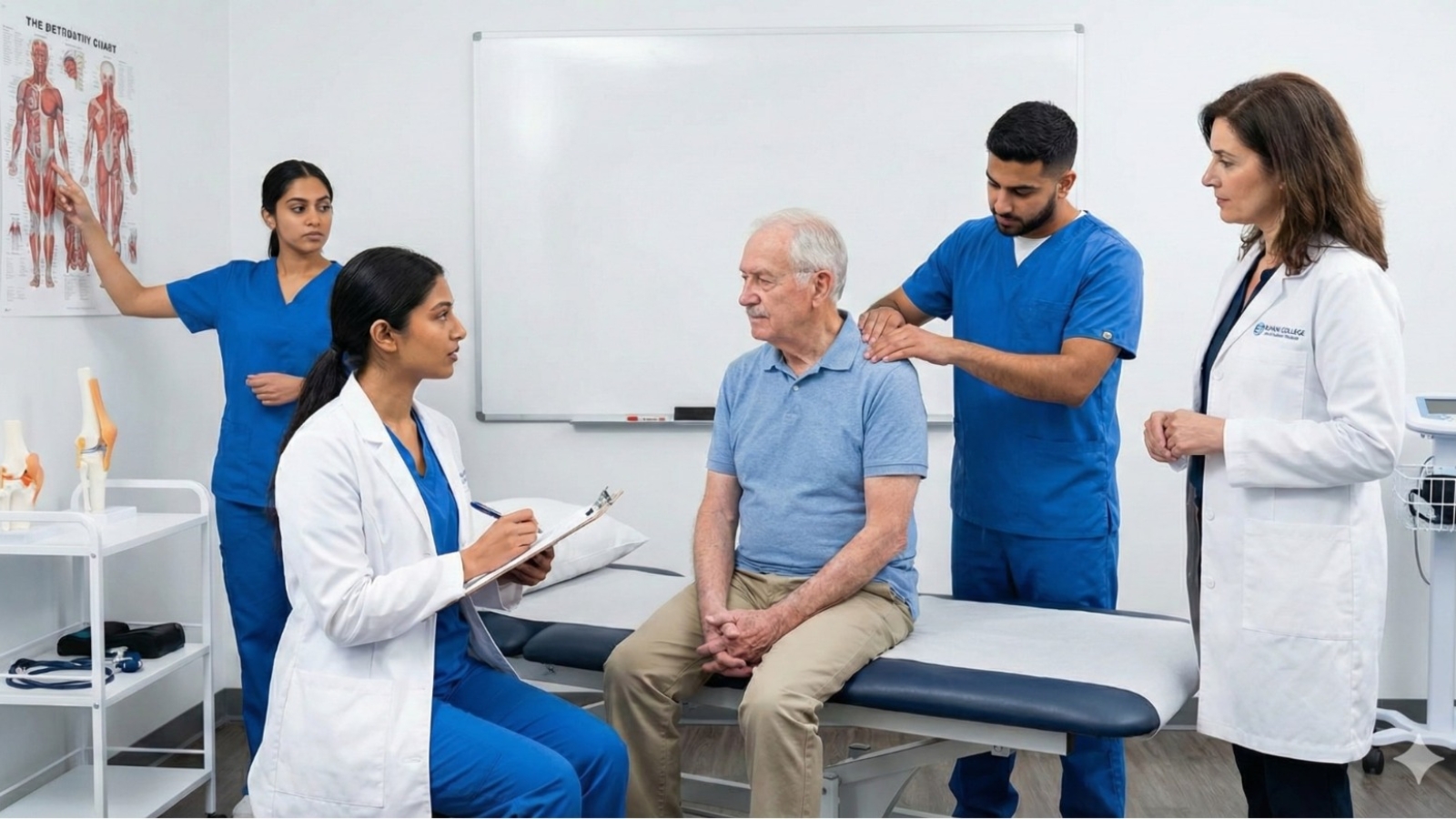
Patient assessment is the foundation of manual osteopathy. Before any treatment begins, a practitioner must understand the patient’s body, health history, and current concerns. This is why osteopathy assessment skills play a central role in a student’s learning journey. Strong assessment helps students move from classroom theory to real clinical confidence. At Ruhani College, osteopathy students are guided step by step to develop assessment skills that reflect real-world practice.
Why Assessment Skills Matter in Manual Osteopathy
Manual osteopathy is based on understanding how the body works as a whole system. Without proper evaluation, treatment decisions can be unclear. This is why osteopathy assessment skills are among the most important abilities students must develop early in their training.Good assessment helps identify movement restrictions, tissue tension, and postural imbalance. Strong osteopathy assessment skills lead to safer care, better treatment results, and stronger patient trust.
Learning Patient Assessment Step by Step
For beginners, patient assessment for osteopathy students starts with observation. Students learn how to assess posture, walking patterns, and body alignment. These early steps help them understand how one issue may affect multiple areas of the body.As training progresses, osteopathy assessment skills improve through structured physical checks, listening skills, and guided questioning. These basics create a strong foundation for clinical confidence.
The Importance of Case History Taking
Collecting accurate information is critical. Learning clinical case history osteopathy methods teaches students how to understand a patient’s lifestyle, injuries, work habits, and stress levels.Strong communication supports strong osteopathy assessment skills. Clear case histories allow students to plan safe, personalized treatments.
Palpation and Hands-On Learning
Palpation is a core osteopathic skill. Through manual osteopathy palpation training, students learn to feel muscle tone, tissue texture, and movement patterns.Hands-on practice strengthens osteopathy assessment skills and helps students trust their clinical judgment. Over time, palpation becomes an essential part of assessment thinking.
Musculoskeletal Assessment and Movement Testing
Understanding joint motion and muscle behavior is essential. Musculoskeletal assessment skills Ontario training helps students identify movement limits and functional problems.When students practice joint testing and movement analysis, their osteopathy assessment skills improve and their treatment planning becomes more precise.
Preparing for Clinical Exams
Many students feel pressure during evaluations. Osteopathy student clinical exams test assessment accuracy, communication, and professionalism.Students with strong osteopathy assessment skills feel more confident because they follow a clear assessment structure. Regular practice and feedback help reduce exam stress.
Soft-Tissue Assessment Techniques
Through soft-tissue assessment techniques, students learn how fascia and muscles respond to strain and injury. These techniques help locate tension and mobility limits.Improving osteopathy assessment skills in soft tissue evaluation allows treatments to be more targeted and effective.
Documentation and Clinical Notes
Professional practice requires accurate records. Osteopathy case documentation tips teach students how to write clear and useful clinical notes.Strong osteopathy assessment skills include proper documentation so patient progress can be monitored safely and clearly.
Becoming Job-Ready Through Assessment Training
Employers expect graduates to assess patients independently. Becoming job-ready manual osteopath training focuses heavily on assessment accuracy and professionalism.Students with confident osteopathy assessment skills transition smoothly into clinics and wellness centers.
Hands-On Clinical Practice Experience
Developing hands-on osteopathy examination skills requires real patient interaction under supervision. Student clinics and lab sessions help bridge theory and practice.Each clinical session strengthens osteopathy assessment skills through exposure to real conditions and patient needs.
Structured Learning Through Diploma Modules
Programs include osteopathy diploma assessment modules that gradually build skills through theory, demonstrations, and supervised practice.At Ruhani College, these modules ensure students develop osteopathy assessment skills without feeling overwhelmed.
Learning Across Healthcare Disciplines
Many osteopathy students explore other wellness fields to broaden their understanding of assessment methods. Learning about Acupuncture Certification in Ontario helps students see how detailed patient evaluation and case history taking are applied across holistic care approaches.This wider exposure strengthens osteopathy assessment skills and improves clinical reasoning.
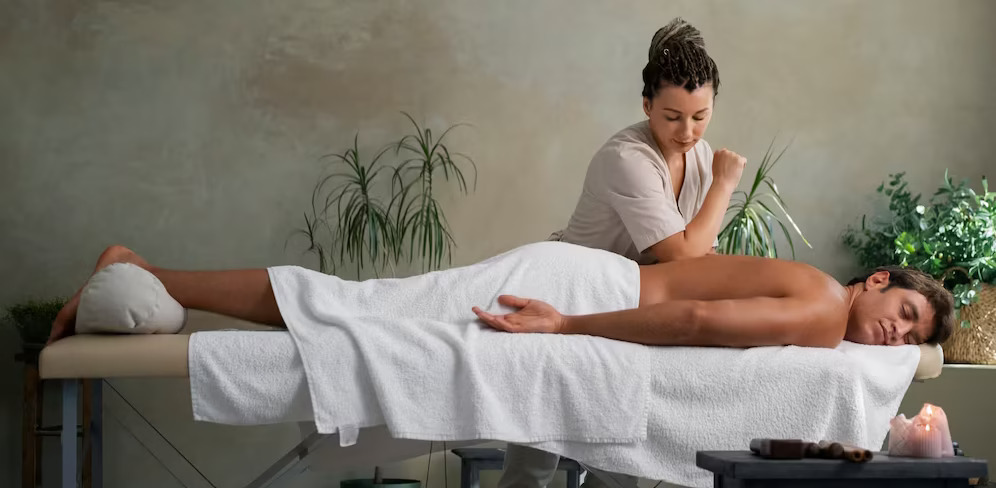
Understanding Assessment in Massage Therapy Education
Assessment methods used in RMT training courses in Ontario offer valuable insight into structured evaluation, palpation accuracy, and professional documentation. Observing how massage therapy programs teach assessment helps osteopathy students refine their own approach and improve clinical confidence.This shared learning supports long-term success in multidisciplinary clinic environments.
Building Transferable Clinical Confidence
Many practical abilities developed during massage therapy education also support osteopathy training. Concepts such as skills RMT student should master, including communication, client interaction, and hands-on awareness, often help osteopathy students improve accuracy, professionalism, and trust during patient assessments.
Final Thoughts on Mastering Osteopathy Assessment Skills
Patient assessment is the foundation of safe and effective osteopathic care. With regular practice, structured guidance, and real clinical exposure, students can build lasting confidence in evaluation and case history taking. Institutions like Ruhani College support this growth through hands-on training, strong clinical structure, and continuous feedback. As healthcare continues to evolve, strong osteopathy assessment skills will remain essential for students who want to succeed, earn patient trust, and grow into confident manual osteopathy practitioners.
Add a Comment